
The company’s expansion into Tamil Nadu comes at a time when consumer behaviour in India is rapidly shifting toward digital-first shopping experiences. Urban households increasingly prefer the convenience of browsing products online, comparing prices, and receiving deliveries at home rather than visiting large-format retail stores. For IKEA, which has already established stores in Bengaluru, Hyderabad, Mumbai, and New Delhi, the Tamil Nadu rollout allows the brand to enter a high-potential market without waiting for immediate physical store infrastructure.
From January 22, customers in Tamil Nadu gained access to IKEA’s e-commerce platform, enabling shoppers in Chennai, Coimbatore, Madurai, Salem, and other regions to order from a broad catalogue of over 6,400 products. This includes furniture, storage systems, mattresses, kitchenware, lighting, textiles, décor, children’s products, and home organisation solutions.
The online model gives customers access to the same design philosophy that has made IKEA globally popular—simple aesthetics, affordability, functionality, and smart use of space. Tamil Nadu represents one of India’s most attractive markets for home furnishing retailers. The state has a large urban population, strong middle-class purchasing power, and fast-growing real estate development across cities such as Chennai, Coimbatore, and Madurai. Rising apartment living, nuclear families, young professionals, and first-time homeowners have all contributed to demand for practical and stylish furniture. As lifestyles evolve, consumers increasingly seek modular wardrobes, ergonomic work-from-home furniture, compact storage solutions, and modern kitchen accessories—all categories where IKEA has strong relevance. A key highlight of this launch is the use of electric vehicles for last-mile delivery. By deploying EV-powered home deliveries, IKEA is aligning commercial expansion with sustainability goals. Transportation and logistics are among the largest contributors to retail carbon emissions, especially in urban areas. By shifting deliveries to electric fleets where possible, the company reduces environmental impact while also demonstrating responsible retail practices in congested city markets. This strategy is particularly relevant in Tamil Nadu, where several cities are actively improving clean mobility infrastructure and encouraging EV adoption. Chennai, for instance, has emerged as an important automotive and EV manufacturing hub, while urban consumers are becoming more conscious of sustainable brands. IKEA’s decision to use electric delivery vehicles can therefore strengthen customer goodwill while supporting broader environmental goals.
Operationally, the Tamil Nadu business will be supported by IKEA’s Bengaluru distribution centre. This regional logistics model allows the company to serve Tamil Nadu customers efficiently without requiring an immediate warehousing buildout in every market. Orders placed online can be processed centrally, packed systematically, and dispatched through an organised fulfilment network. Using Bengaluru as a hub also offers geographic advantages. Tamil Nadu shares strong road connectivity with Karnataka, making it practical to supply cities such as Chennai, Salem, and Coimbatore through an integrated southern corridor. Centralised distribution reduces inventory duplication, improves stock visibility, and helps the company scale operations in a cost-effective manner.
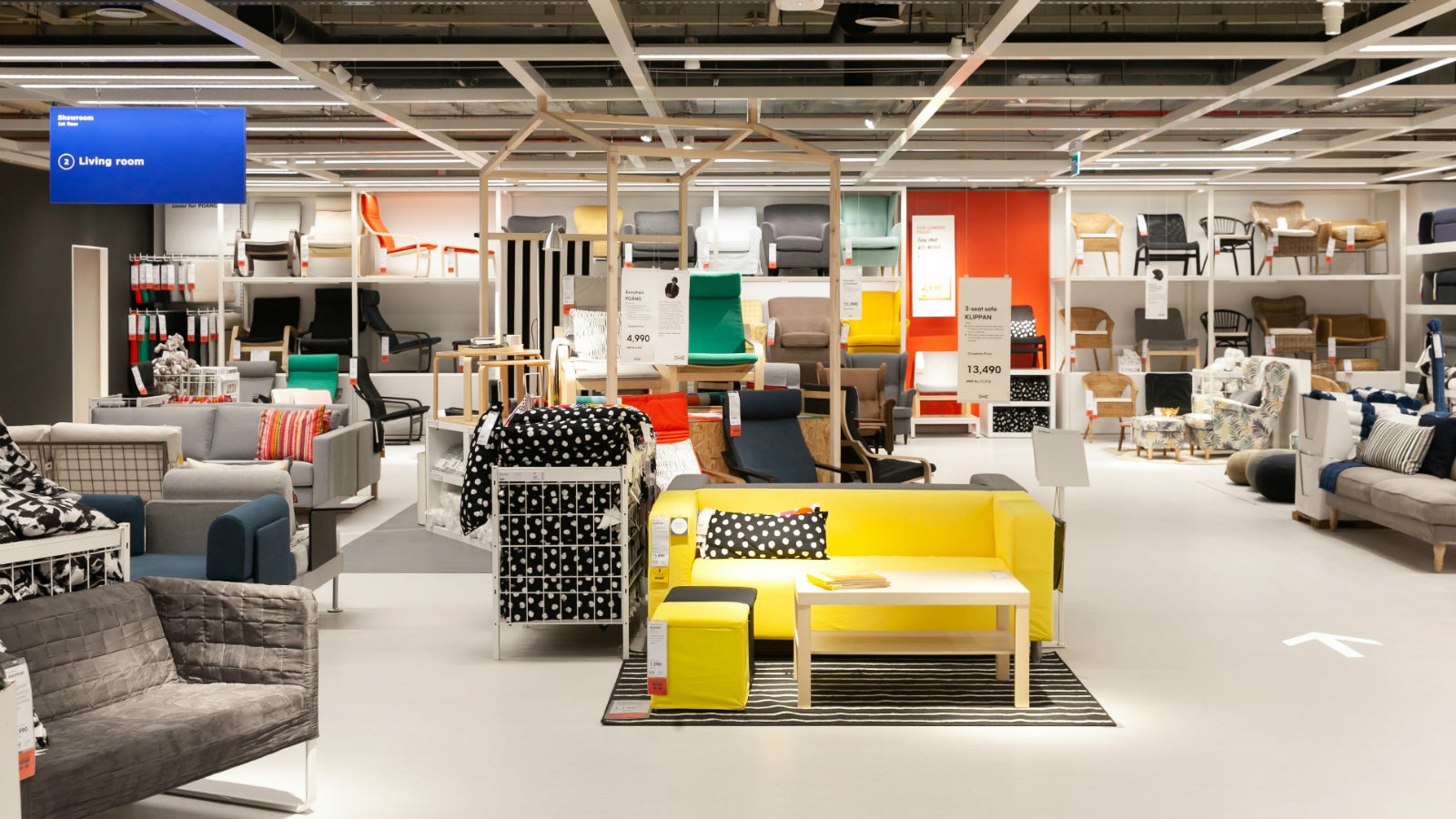
Inside an IKEA showroom — room sets and home furnishings
For consumers, the benefits are clear. A stronger fulfilment backbone generally translates into faster deliveries, better product availability, smoother returns, and more consistent service standards. These factors are essential in furniture retail, where customer expectations around delivery timelines and installation support are often high. IKEA has also indicated that Tamil Nadu already showed strong interest even before the formal launch. More than 25,000 customers from the state were reportedly enrolled in the company’s loyalty programme ahead of the rollout. This is a notable signal of latent demand and suggests that many residents were already familiar with the brand, either through travel to IKEA stores in Bengaluru or Hyderabad, or through digital engagement. The early popularity of IKEA in Tamil Nadu is not surprising. Chennai, in particular, has a cosmopolitan consumer base with exposure to global retail trends. It is also home to a growing population of technology professionals, entrepreneurs, students, and young families—demographics that often respond well to modern home furnishing brands. Similar patterns are visible in Coimbatore and Madurai, where aspirational consumption is increasing steadily.
The company’s leadership sees this expansion as a meaningful milestone in its India journey. Patrik Antoni, CEO of IKEA India, emphasised that beginning 2026 with the Tamil Nadu online launch was significant as the company continues to strengthen its South India presence. His remarks underline the importance of the region in IKEA’s long-term strategy. South India has become one of the most promising territories for organised retail growth. Cities across Karnataka, Telangana, Tamil Nadu, and Kerala have strong literacy levels, technology adoption, higher household incomes, and increasing demand for branded lifestyle products. For IKEA, strengthening this cluster creates network efficiencies while also building deeper brand recognition.

IKEA's Tamil Nadu online launch, with home delivery across the state
The Tamil Nadu launch is also an example of IKEA’s evolving India strategy. When the company first entered India, much attention centred on large-format destination stores. While these flagship outlets remain important, consumer habits now require a more flexible model. Omnichannel retail—where physical stores, digital shopping, click-and-collect, planning services, and delivery networks operate together—is becoming essential.
Rather than relying solely on expensive store openings, IKEA can use e-commerce to test demand, understand purchasing behaviour, map product preferences, and identify the best future store locations. Tamil Nadu offers an excellent case study. Strong online sales in Chennai could eventually justify a physical store, planning studio, or city-format outlet. Similar insights may emerge in Coimbatore or other growing cities. This phased expansion model lowers risk while preserving growth momentum. It enables the company to enter new markets quickly, generate revenue earlier, and refine investments based on real customer data rather than assumptions. The broader furniture and home décor market in India is also changing rapidly. Traditionally dominated by local carpenters, neighbourhood furniture shops, and unorganised players, the sector is now seeing rising participation from branded retailers and digital-native furniture platforms. Consumers increasingly expect transparent pricing, easy assembly, warranty support, stylish design, and seamless delivery experiences. IKEA’s strengths in flat-pack logistics, Scandinavian-inspired design, standardised quality, and broad price architecture position it well in this environment. The brand also benefits from a strong identity around home inspiration—encouraging consumers to think not just about furniture pieces, but about complete room solutions. For Tamil Nadu households, this may be especially attractive in urban apartments where space efficiency matters. Foldable dining tables, modular storage, wall-mounted shelves, compact sofas, study desks, and smart kitchen organisers can address everyday living challenges in dense city homes.
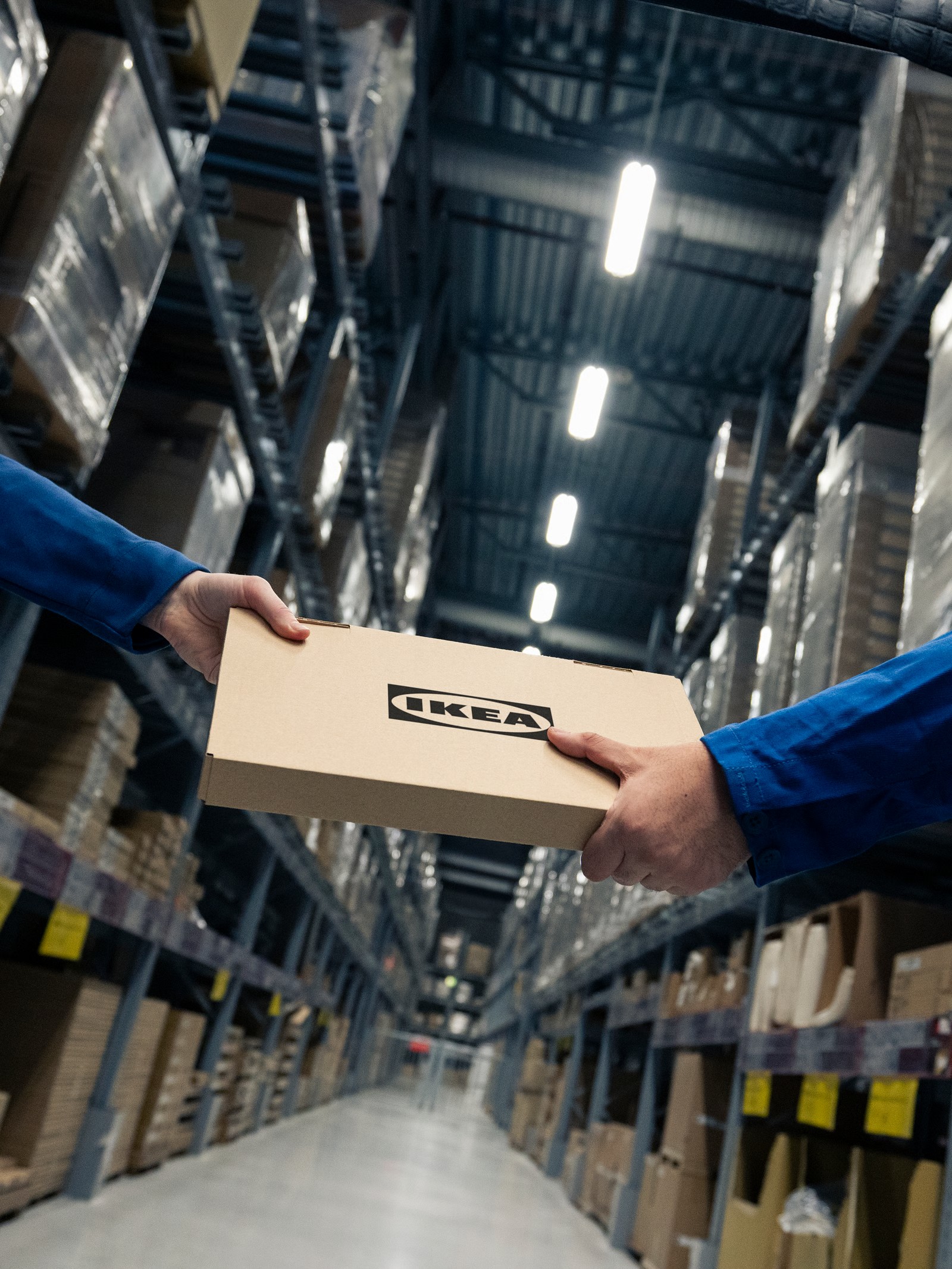
Order fulfilment from IKEA's warehouse
The company’s move may also intensify competition in the region. Existing furniture retailers, both organised and local, may respond with stronger digital platforms, faster delivery promises, financing offers, and refreshed product designs. In that sense, IKEA’s arrival can stimulate broader market development and improve standards across the sector. Another important dimension is employment and ecosystem impact. Even without an immediate physical store, e-commerce expansion creates jobs across warehousing, logistics, customer support, installation services, digital marketing, and supply chain management. As volumes grow, there may also be opportunities for regional sourcing partnerships, transport operators, and ancillary service providers.
Looking ahead, Tamil Nadu could become a major pillar in IKEA’s India story. Chennai has long been considered a natural candidate for a future physical store because of its scale, infrastructure, and purchasing power. A successful online launch can strengthen that business case. Smaller city-format stores, design studios, or hybrid fulfilment centres may also emerge as viable models. The state’s strong manufacturing ecosystem may present further opportunities. Tamil Nadu is already a major hub for textiles, engineering, automotive components, and industrial production. Over time, IKEA could explore deeper sourcing relationships in the state for select categories, supporting its localisation agenda in India. Ultimately, the Tamil Nadu rollout is more than a simple delivery expansion. It is a strategic signal of how global retailers are adapting to India’s next phase of growth—digitally enabled, sustainability conscious, regionally focused, and customer driven. By combining online convenience, EV-led logistics, and data-led market entry, IKEA is positioning itself for long-term relevance in one of the country’s most promising consumer markets.

Signature pieces styled for the Indian home

An EV-based last-mile delivery network
As Tamil Nadu customers begin engaging with the brand at scale, the success of this initiative may shape IKEA’s future decisions not only in the state but across other high-potential markets in India. For now, the message is clear: South India remains central to IKEA’s ambitions, and Tamil Nadu is the next major chapter in that journey.