Lokesh Kanagaraj
Architect of the Lokesh Cinematic Universe
Few directors have altered Tamil cinema’s grammar as dramatically as Lokesh Kanagaraj. Beginning with Maanagaram (2017), a tightly structured hyperlink thriller set over a single night, he demonstrated a rare command over tension and character intersection. Without relying on star power, he proved that content-driven storytelling could still succeed commercially. His breakthrough came with Kaithi (2019), an action thriller stripped of songs, romance, and formulaic diversions. The film’s relentless pace and grounded violence redefined action storytelling and laid the foundation for what would become the Lokesh Cinematic Universe (LCU). With Master (2021), he balanced Vijay’s star image with morally complex characterization, proving he could work within mainstream frameworks without diluting his voice.
The true cultural reset arrived with Vikram (2022). More than a blockbuster, it connected narratives across films, formally launching the LCU. Featuring Kamal Haasan, Fahadh Faasil, and Vijay Sethupathi, the film elevated Tamil cinema into franchise-building territory. Leo (2023) expanded that ambition, grossing over ₹600 crore globally and cementing Lokesh’s pan-Indian appeal. Lokesh’s style draws subtle inspiration from Tarantino-esque nonlinear structure and Scorsese-like character psychology, yet remains deeply rooted in Tamil socio-cultural texture. He favors atmospheric tension, practical stunt choreography, and morally ambiguous heroes. Awards such as SIIMA Best Director and Vijay Awards recognition underline his impact, but his real achievement lies in influence — many contemporary filmmakers now emulate his realism-heavy action grammar. With upcoming LCU expansions like Benz and major star collaborations, Lokesh is not just directing films — he is engineering mythology.
Atlee
The Master of Emotional Blockbusters
If Lokesh Kanagaraj represents structural precision, Atlee represents emotional scale—a filmmaker who believes that cinema’s greatest power lies in its ability to move audiences collectively. A protégé of Shankar, Atlee inherited the idea that mainstream films can be both socially charged and commercially irresistible. From the outset, he demonstrated that emotional rhythm, when orchestrated with conviction, can be as impactful as technical spectacle. Atlee announced his arrival with Raja Rani (2013), a romantic drama that stood out for its emotional sincerity. Rather than relying on novelty, the film focused on familiar experiences—love, heartbreak, loss, and healing—presented with warmth and sensitivity. Its strong connection with family audiences helped it cross ₹50 crore, a rare achievement for a debut director. Raja Rani established Atlee as a storyteller who understood relationships deeply, particularly the emotional spaces occupied by women, parents, and families, themes that would recur throughout his career.
Asuran — new-wave storytelling that reset the box office
His transformation into a mass filmmaker began with his collaborations with Vijay, which elevated both star and director to new commercial heights. Theri (2016) fused high-octane action with a tender father–daughter bond, redefining the emotional core of a mass entertainer. The film proved that vulnerability and sentiment could coexist with heroism, broadening Vijay’s on-screen persona and cementing Atlee’s reputation as a director who could balance scale with intimacy. That balance expanded further with Mersal (2017), which combined political commentary on healthcare inequality with star-driven spectacle. Grossing over ₹260 crore worldwide, the film became both a box-office juggernaut and a cultural talking point. Atlee’s approach was unapologetically direct—turning moral outrage into emotional catharsis through music, symbolism, and heightened drama. Bigil continued this trajectory by blending a women’s sports narrative with family sentiment and social aspiration, emerging as one of the year’s biggest Tamil hits.
Atlee’s defining breakthrough on a national scale came with Jawan, his Hindi debut starring Shah Rukh Khan. The film grossed over ₹1,150 crore worldwide, becoming one of India’s highest-grossing films and proving that Tamil commercial sensibilities—intense emotion, stylised action, and social messaging—could dominate Bollywood without compromise. Rather than adapting himself to Hindi cinema, Atlee transplanted his cinematic language wholesale. While critics often point to familiar narrative influences, Atlee’s true strength lies in localisation. He reshapes global cinematic ideas into culturally resonant stories centred on mothers, children, sacrifice, and justice. With multiple honours from SIIMA and the Vijay Awards, and upcoming pan-Indian ventures like AA22, Atlee continues to scale emotion into spectacle—proving that in Indian cinema, feeling big is often the key to winning big.
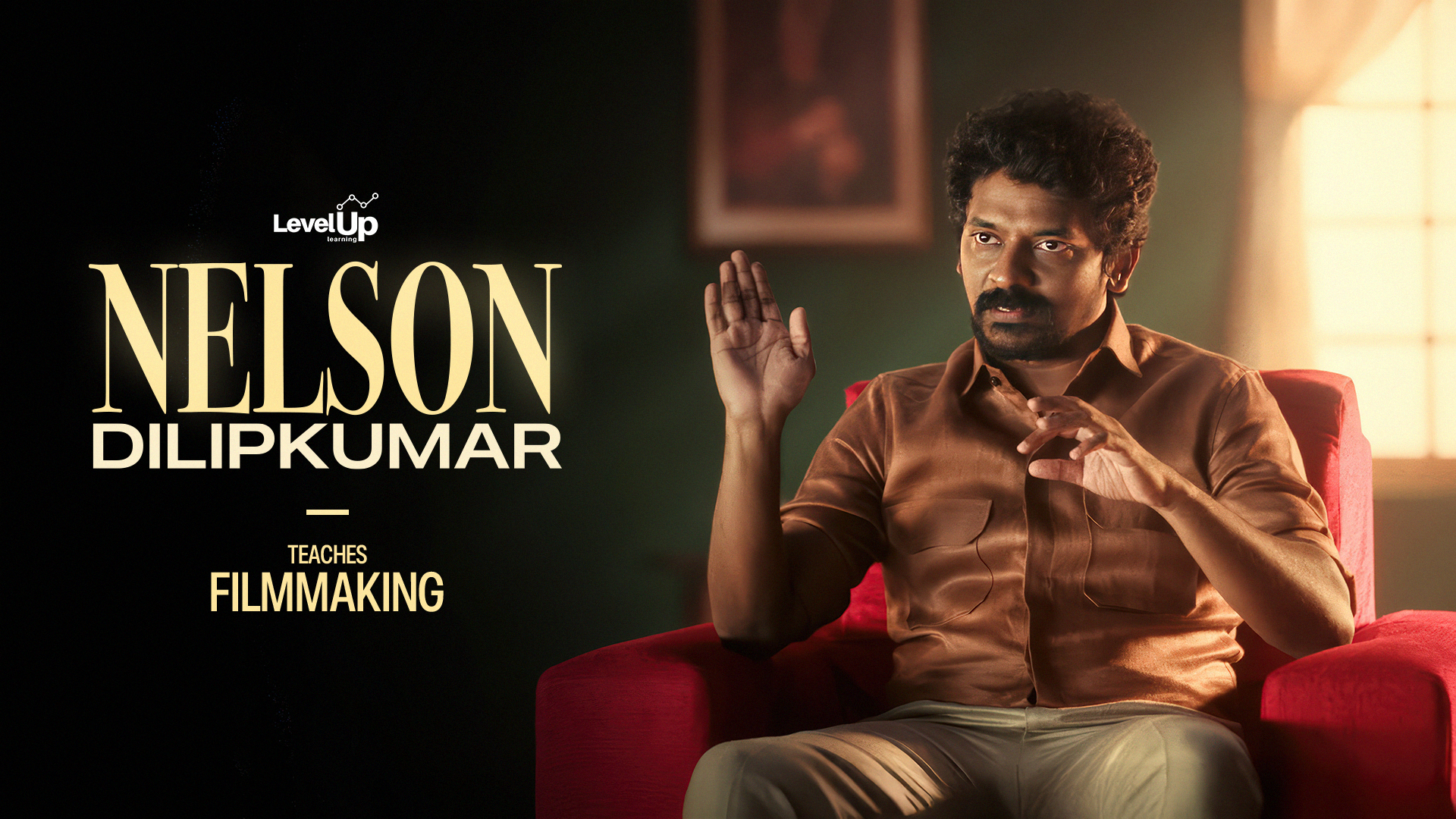
Nelson Dilipkumar
The King of Deadpan Chaos
Nelson Dilipkumar disrupted Tamil commercial cinema not through excess, but through absence. Where mainstream filmmaking traditionally relied on loud punch dialogues, soaring background scores, and emphatic emotional cues, Nelson Dilipkumar introduced silence, awkward pauses, and a distinctly deadpan worldview. His cinema suggested that restraint itself could be subversive—and commercially viable. His debut, Kolamaavu Kokila (2018), immediately signaled this tonal rebellion. On paper, the film was a crime comedy centered on drug smuggling, but Nelson treated the genre with ironic detachment. Humor emerged not from exaggerated reactions but from discomfort, stillness, and the sheer oddity of situations unfolding without emotional commentary. Characters spoke minimally, violence occurred matter-of-factly, and irony replaced moral sermonising. The success of Kolamaavu Kokila proved that Tamil audiences were ready for a new comic language—one where silence could be as funny as dialogue. Nelson refined this sensibility with Doctor (2021), a kidnapping thriller that further crystallised his authorial voice. Doctor juxtaposed a tense rescue narrative with emotionally restrained, almost robotic characters, led by a protagonist who barely reacted to chaos around him. The humor was unsettling rather than comforting, emerging from mismatched emotional registers and prolonged pauses.
Vadachennai — raw, rooted filmmaking
Violence was treated with absurd normalcy, and sentiment was deliberately underplayed. The film grew into a sleeper blockbuster, confirming that Nelson’s style was not a novelty but a sustainable commercial form. However, Nelson’s approach faced its biggest test with Beast (2022). Mounted as a star-driven action spectacle, the film divided critics and audiences alike. Many felt the tension between Nelson’s understated tone and the expectations of a conventional mass entertainer. Beast exposed the risks inherent in his minimalist philosophy—particularly when paired with large-scale commercial demands. Yet even in its mixed reception, the film retained traces of his distinct humor and narrative restraint.
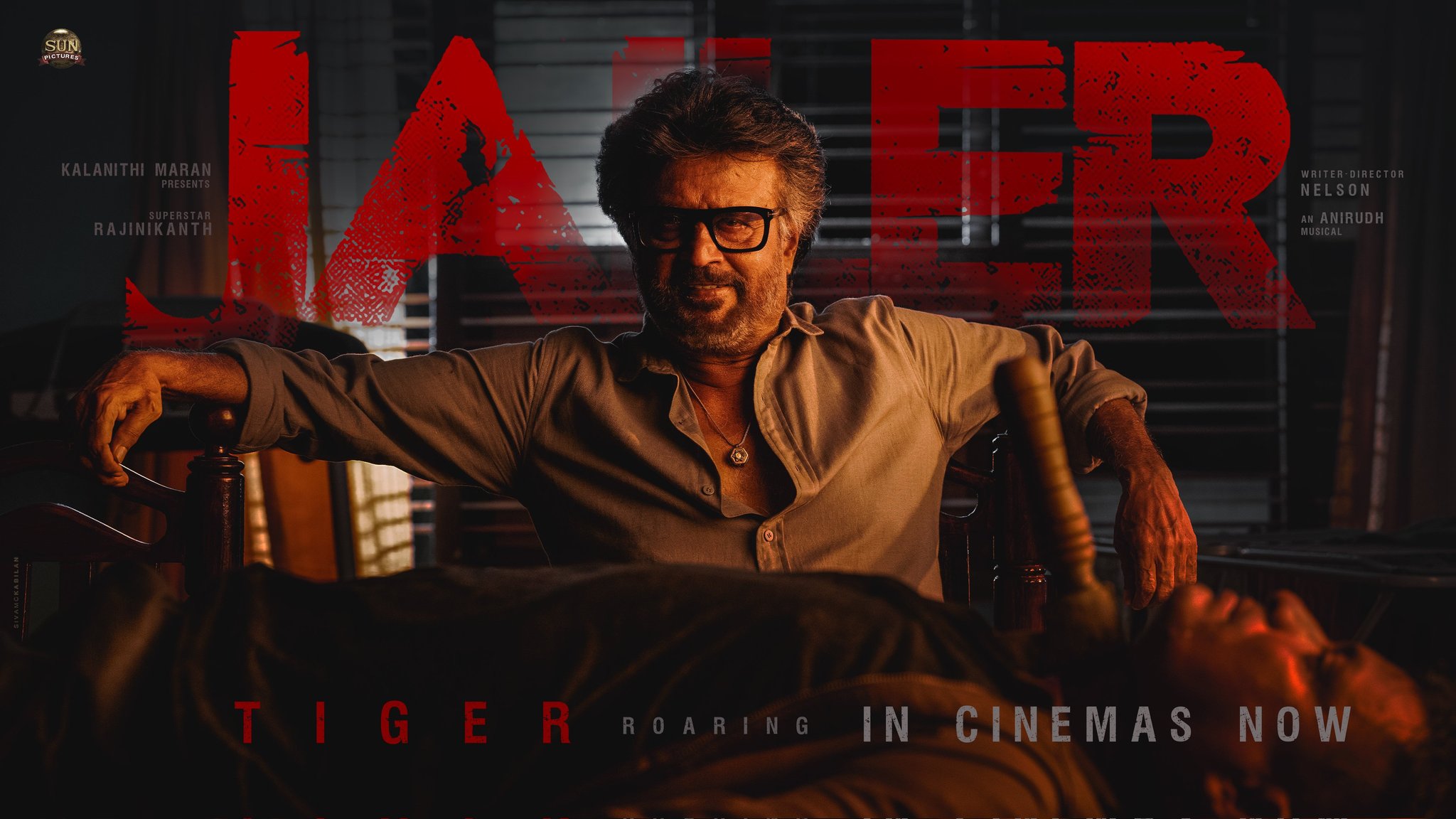
Redemption came decisively with Jailer, a career-defining collaboration with Rajinikanth. Directing Rajinikanth is often viewed as both an honour and a risk, given the weight of fan expectations. Nelson navigated this challenge by retaining his dark comedic undertones while selectively embracing stylised mass moments. Jailer balanced brutal violence, dry humor, and mythic heroism with surprising confidence. Grossing over ₹600 crore globally, the film became one of Tamil cinema’s highest earners and restored Nelson’s momentum spectacularly. A defining trait of Nelson’s cinema is emotional muteness. His protagonists rarely articulate feelings; his antagonists often border on the bizarre rather than the threatening. He avoids melodramatic exposition, trusting audiences to read subtext and infer motivation. This refusal to spoon-feed emotion represents a sharp departure from traditional commercial grammar. Instead of emotional highs, Nelson offers emotional voids—spaces where irony and discomfort thrive. Recognition followed in the form of honours such as SIIMA Best Debut Director and Best Director for Jailer. Yet Nelson’s true achievement lies beyond awards. He has fundamentally altered the language of mainstream Tamil cinema. Today, “Nelson-style humor” is widely referenced and frequently imitated, though rarely replicated with equal precision. By proving that silence can be louder than spectacle, Nelson Dilipkumar has carved out a cinematic identity that continues to reshape commercial storytelling.
Vetrimaaran
Cinema as Social Reckoning
Vetrimaaran stands apart in contemporary Tamil cinema as its moral conscience—a filmmaker for whom cinema is not escape, but confrontation. While many directors negotiate between commerce and ideology, Vetrimaaran treats ideology as the foundation of storytelling itself. His films do not merely reflect society; they interrogate its structures, exposing the violence embedded within caste, class, and state power. He first announced his intent with Polladhavan (2007), a seemingly modest thriller that already revealed his command over character psychology and urban realism. The film’s protagonist was neither heroic nor villainous, but shaped by circumstance, impulse, and survival instinct. This moral greyness would become central to Vetrimaaran’s cinematic identity. However, it was Aadukalam that decisively reshaped his trajectory. Set against the raw, volatile world of rooster fighting, Aadukalam explored ego, betrayal, and masculinity with ferocious intensity. Winning six National Awards, including Best Director, the film established Vetrimaaran as a major artistic force capable of marrying cultural specificity with universal themes of power and downfall.
Jailer — a blockbuster that reshaped the star vehicle
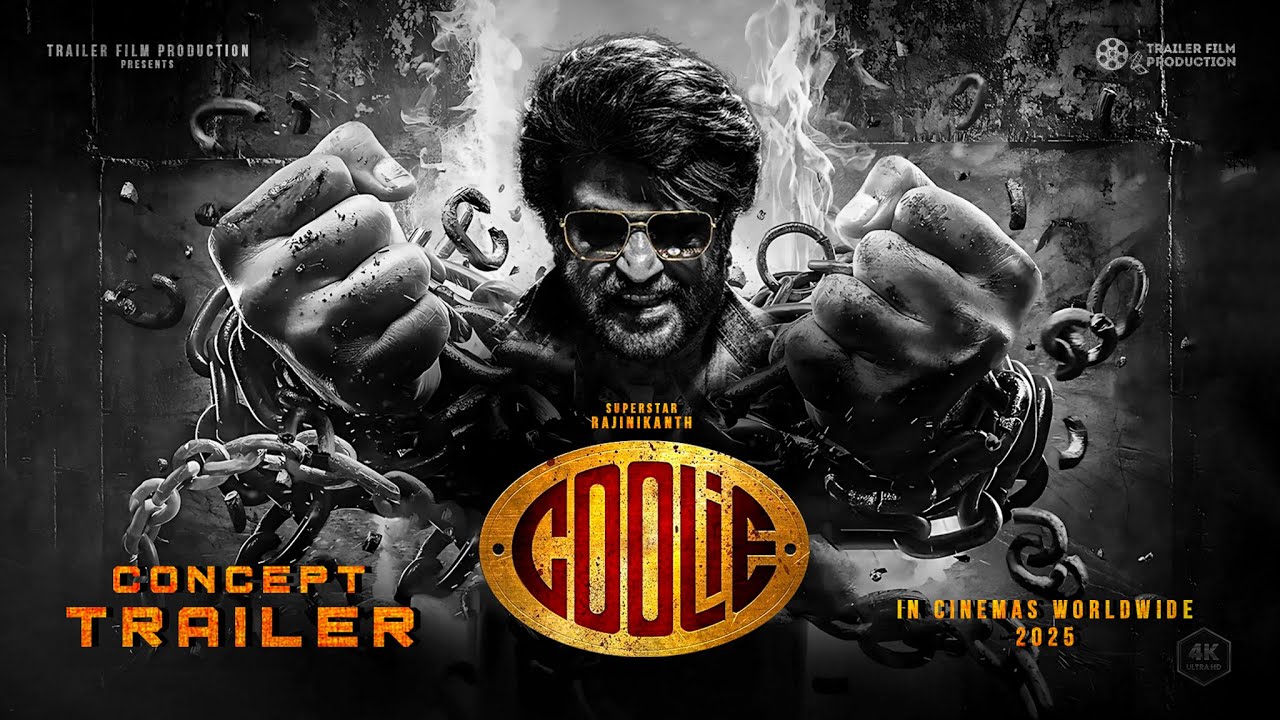
Coolie — the concept trailer that broke the internet
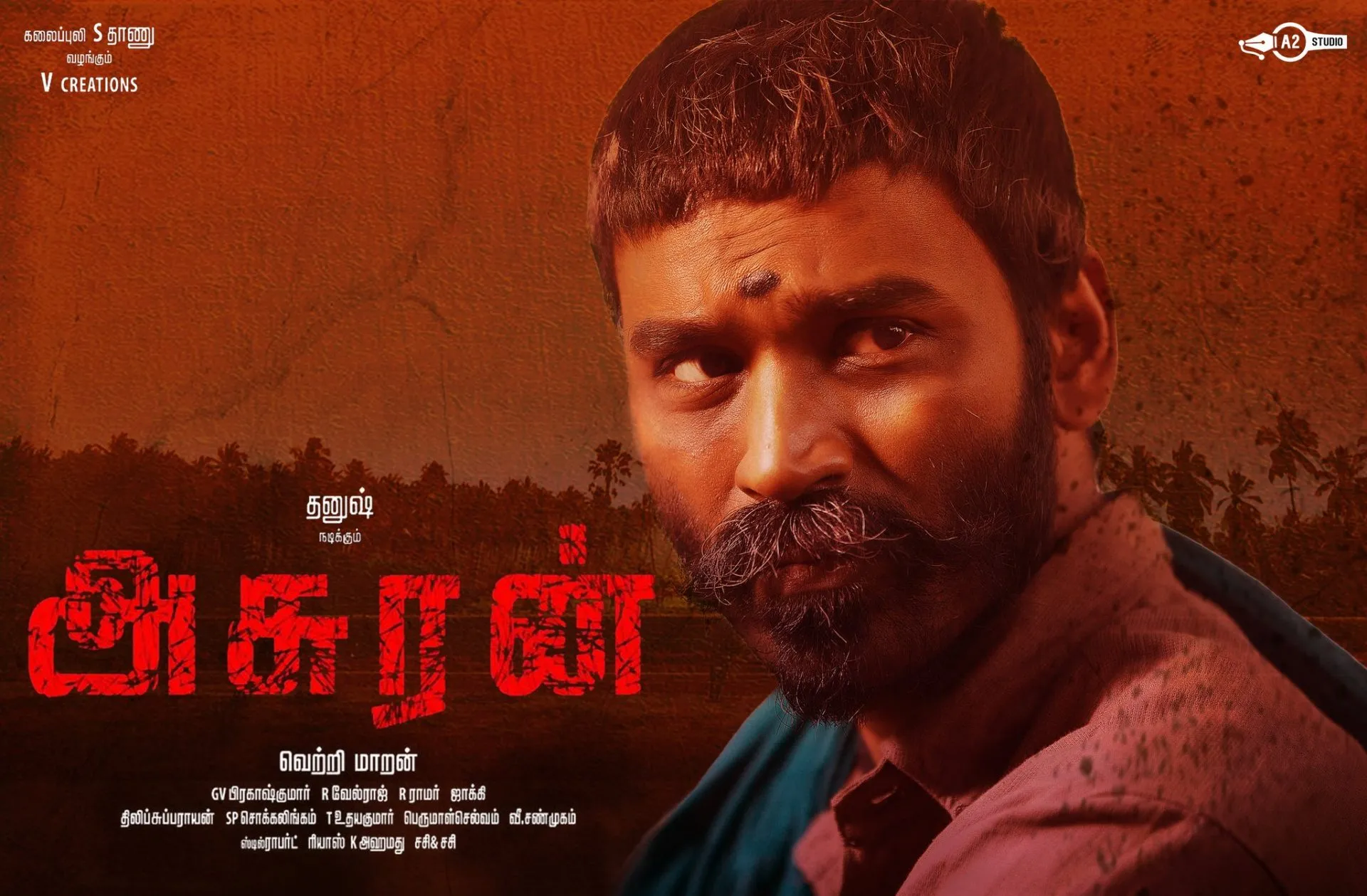
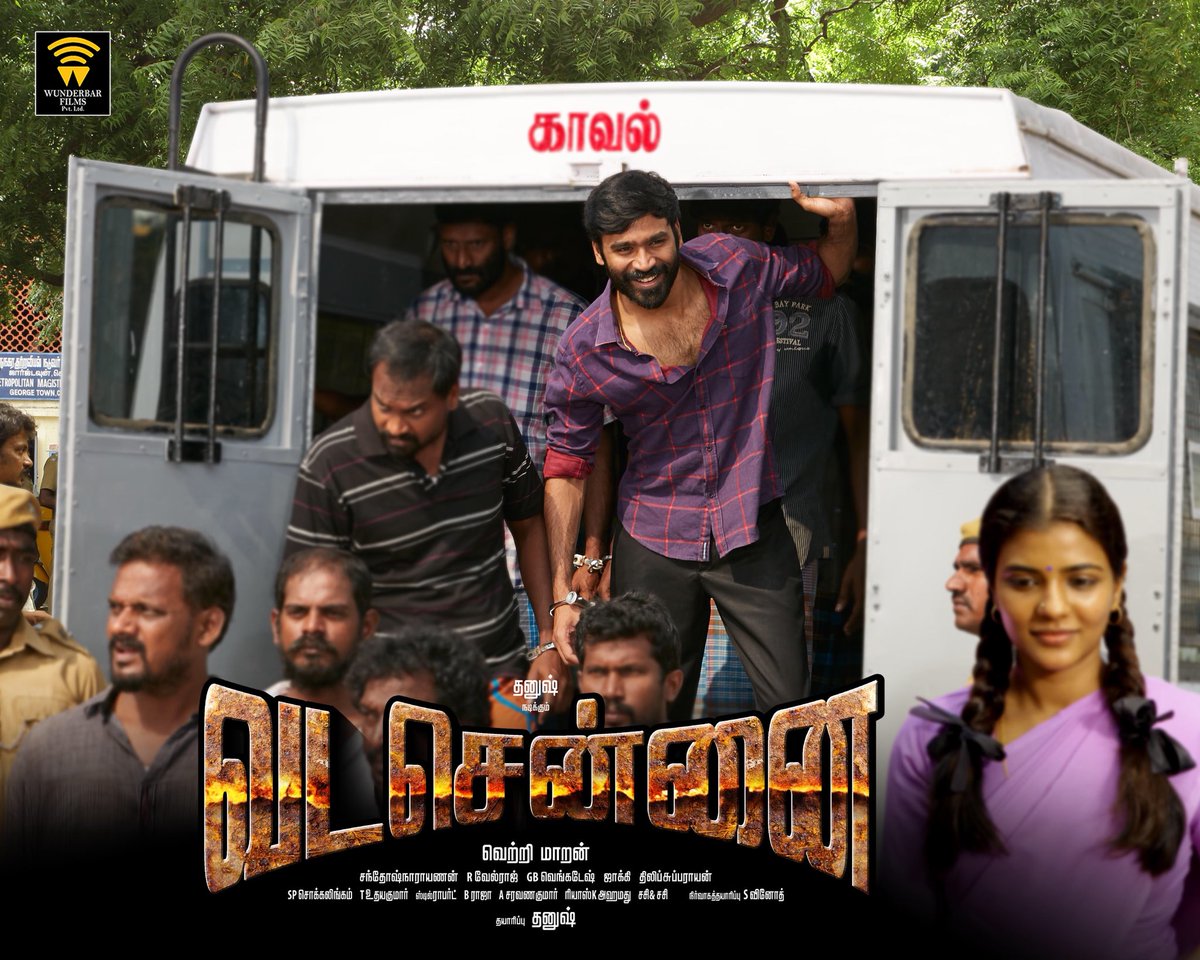
His international breakthrough came with Visaranai, a harrowing account of custodial violence based on true events. Unflinching and deeply unsettling, the film stripped away cinematic artifice to expose the brutal mechanics of state oppression. It earned widespread global acclaim and was selected as India’s official entry to the Academy Awards, marking a rare moment when Tamil political realism entered the global conversation. Visaranai made it clear that Vetrimaaran was not interested in comfort or catharsis; his cinema demanded moral reckoning. This commitment continued with Vada Chennai, an epic crime saga that traced how environment, caste hierarchies, and systemic violence shape generations. The film refused linear morality—its characters were products of historical injustice rather than isolated choices. Vetrimaaran deepened this exploration with Asuran, a visceral examination of caste oppression and resistance.
Despite its radical socio-political critique, Asuran crossed ₹100 crore at the box office, achieving a rare fusion of ideology and commercial success. The film demonstrated that politically charged cinema could still command mass audiences without dilution. What distinguishes Vetrimaaran most sharply is his rejection of glamour. His narratives are raw, physically exhausting, and emotionally abrasive. Violence in his films is never stylised or heroic; it is systemic, cyclical, and inherited. He resists neat resolutions, choosing ambiguity over closure, because real oppression does not end cleanly. His protagonists often survive, but they do not “win” in conventional cinematic terms. Multiple National Awards and Filmfare honours affirm his stature, but Vetrimaaran’s influence extends far beyond trophies. He has fundamentally altered how caste politics, resistance, and state violence are portrayed within mainstream Tamil storytelling. By insisting on discomfort as a cinematic ethic, Vetrimaaran has redefined what serious, socially engaged cinema can look like—proving that truth, however brutal, can command both respect and reach.
Ashwath Marimuthu
The Voice of Introspective Romance
In a cinematic landscape increasingly dominated by action spectacle and escalating scale, Ashwath Marimuthu offers something markedly different: introspection. His films are not driven by external conflict or visual excess, but by the quiet turmoil within ordinary individuals. Where many contemporary directors amplify stakes through violence or grandeur, Ashwath turns inward, exploring regret, emotional hesitation, and the fragile nature of choice. He announced his sensibility with Oh My Kadavule (2020), a romantic fantasy that examined destiny and second chances without slipping into sentimentality. The film used a light supernatural framework to pose deeply human questions: What if we could redo our mistakes? Would clarity bring happiness, or merely new forms of doubt? Ashwath treated fantasy not as spectacle but as a philosophical device, allowing conversations with fate to unfold in everyday settings. The film struck a strong chord with younger audiences, achieving cult popularity through its relatability, conversational tone, and emotional honesty. Its success was reaffirmed when it was remade in Telugu as Ori Devuda, proving the universality of its core themes.
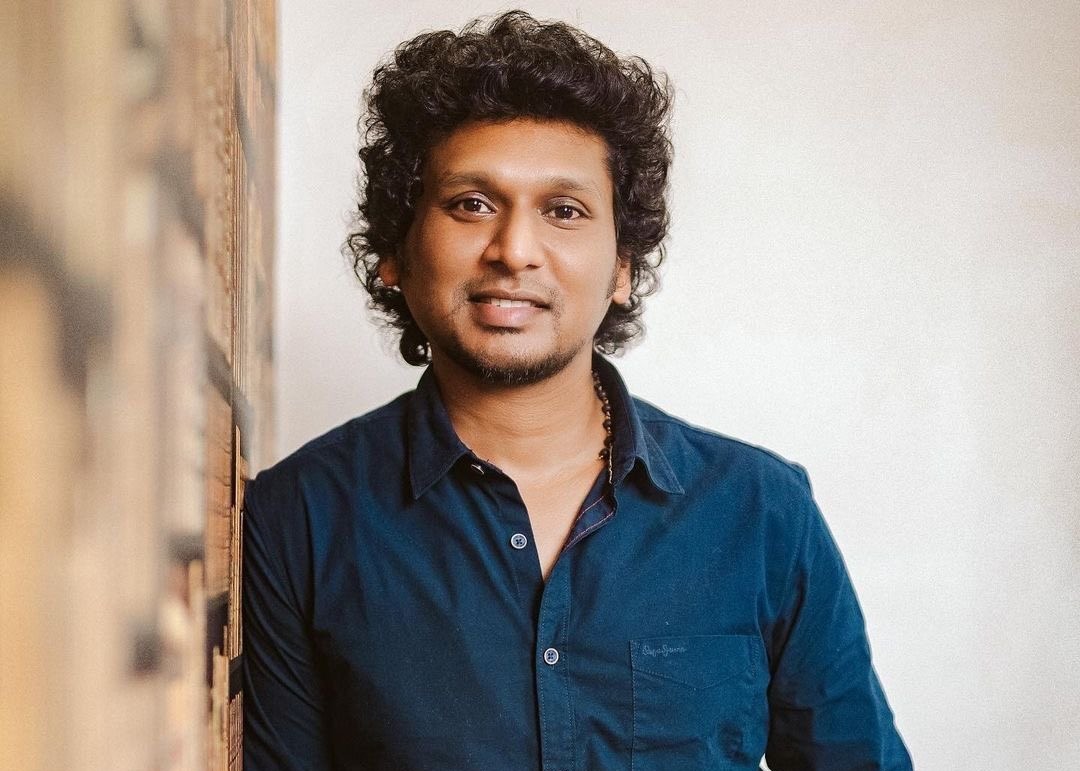
Lokesh Kanagaraj, architect of the ‘Lokesh Cinematic Universe’
What distinguishes Ashwath’s storytelling is his focus on internal conflict. His characters are not battling villains or systems; they are battling indecision, ego, emotional fear, and the weight of unspoken feelings. Romance in his films is not idealised but negotiated—shaped by misunderstandings, timing, and emotional immaturity. Even moments of humour arise organically from awkwardness rather than exaggeration. This restraint allows his narratives to feel intimate, almost therapeutic, inviting viewers to reflect rather than react.
With Dragon, Ashwath expanded his commercial footprint while retaining thematic sincerity. Though broader in scale compared to his debut, the film stayed rooted in emotional realism, resisting the pull of melodrama. Dragon demonstrated that Ashwath could grow within the commercial framework without abandoning his core voice. Instead of inflating drama, he refined it—trusting silence, dialogue, and emotional nuance to carry the narrative forward. Ashwath’s films consciously avoid the emotional manipulation often associated with mainstream romance. Music, performance, and writing work in harmony to maintain a grounded tone. Fantasy elements, when present, are never the point; they exist only to illuminate emotional truth. This discipline reflects a filmmaker confident in subtlety, even within an industry that often rewards excess. While Ashwath Marimuthu has yet to direct a full-scale pan-Indian spectacle, his storytelling instincts suggest long-term potential. His themes—choice, regret, vulnerability, and emotional growth—are universal and easily adaptable across languages and cultures. In an industry racing toward bigger budgets and louder narratives, Ashwath represents quiet ambition: a belief that sincerity, when executed with clarity, can endure longer than spectacle.