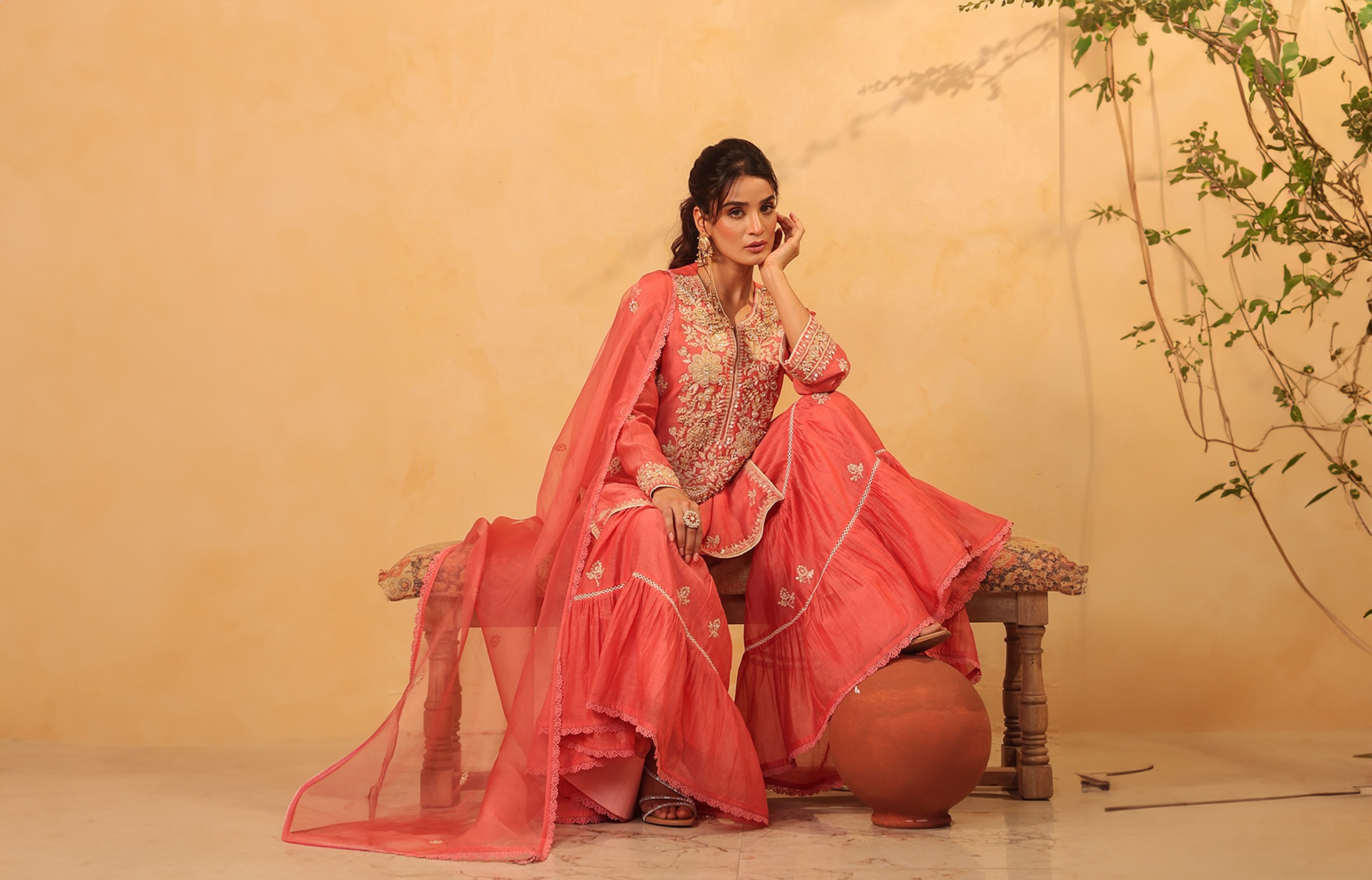
Boutiques such as Tifara, Renasci Fashion House, Amethyst, Collage, and Evoluzione are not merely retail spaces—they are tastemakers. Each one brings a distinct philosophy, whether it is the curated minimalism of multi-designer stores, the architectural precision of contemporary couture, or the immersive experience of heritage-driven fashion environments. Together, they form the backbone of a style culture that influences not just celebrities, but an entire generation of fashion-conscious women. This article steps inside that world—mapping the boutiques that actresses are connected to, the spaces where stylists source iconic looks, and the fashion houses that quietly define what we eventually see on screen and at high-profile events. It is a journey through Chennai’s boutique ecosystem, where every garment tells a story, and every store holds a piece of the city’s evolving style identity.
Tifara
Luxury Made Accessible, Sincerely
Located on the ever-stylish Khader Nawaz Khan Road in Nungambakkam, Tifara stands as a refined expression of Chennai’s evolving luxury fashion narrative. Founded in 2012 by Deepthi Reddy Bashyam, the boutique was conceived as more than just a retail space—it was envisioned as a curated destination where design, craftsmanship, and personal style converge seamlessly.
The name “Tifara,” derived from the Hebrew word for “beauty,” subtly reflects the philosophy that underpins the brand. This is not beauty in its most obvious or ornamental form, but something more nuanced—beauty that is intentional, thoughtful, and deeply rooted in meaning. From the moment one steps into the boutique, this ethos becomes evident. The space is carefully designed to feel open and considered, allowing each garment to stand out without competing for attention. It is an environment that encourages exploration rather than overwhelming the senses.
At its core, Tifara operates as a multi-designer boutique, a concept that brings together some of India’s most celebrated fashion voices under one roof. While this model is not uncommon, what distinguishes Tifara is the clarity of its curation. Every piece reflects a deliberate choice, guided by a strong editorial sensibility. The boutique places a significant emphasis on Indian textiles and traditional silhouettes, but always through a contemporary lens. The result is a collection that feels both rooted and relevant—bridging heritage with modern-day wearability. Lehengas, sarees, kurtas, and anarkali sets form the backbone of the store’s offerings, yet they are far from conventional. Each garment carries the signature of designers who understand how to reinterpret tradition without diluting its essence. Rich fabrics, intricate embroidery, and fluid cuts come together to create pieces that are as suitable for grand celebrations as they are for intimate occasions.
The balance between opulence and restraint is carefully maintained, ensuring that the clothes never feel excessive, but always impactful. One of the defining strengths of Tifara lies in its ability to cater to a diverse clientele within the luxury segment. It attracts seasoned buyers who are well-versed in designer fashion, as well as younger customers who are stepping into this space for the first time. This inclusivity is reflected not only in the range of collections but also in the approach to styling. The boutique offers bridal consultations and customisation services, allowing clients to shape their outfits according to personal preferences rather than settling for standard designs. This level of personalisation transforms the shopping experience into something far more collaborative and meaningful.
Designers such as Anushree Reddy, Nikasha Agarwal, and Premal Badlani—names that hold considerable weight in the Indian fashion landscape—have been part of Tifara’s carefully curated lineup. Their presence reinforces the boutique’s position as a serious player in the luxury retail space, offering clients access to collections that are both current and culturally resonant. Yet, despite the prestige associated with these labels, the store maintains an atmosphere that is approachable rather than intimidating. Equally important is the emphasis placed on customer experience. In a segment where exclusivity can sometimes translate into distance, Tifara takes a more welcoming approach. The styling process is unhurried, with a focus on understanding individual preferences and guiding clients toward choices that align with their personal aesthetic. This attention to detail extends beyond the garments themselves, creating a sense of comfort that encourages repeat visits and lasting relationships. What makes Tifara particularly relevant in Chennai’s fashion landscape is its ability to adapt while staying true to its core identity. The boutique reflects a city that is increasingly open to experimentation, yet deeply connected to its cultural roots.
It serves as a space where traditional craftsmanship is not just preserved, but reimagined for a new generation of wearers. At the same time, Tifara occupies an interesting position within the broader ecosystem of Chennai’s boutique culture. While it has established a strong presence and a loyal clientele, it continues to evolve, refining its voice and expanding its influence. This ongoing journey adds a certain dynamism to the brand, making it one to watch as it grows within an increasingly competitive market. In many ways, Tifara represents the modern Indian boutique at its most thoughtful—a place where fashion is not merely purchased, but experienced. It is a space that understands the emotional and cultural significance of clothing, and translates that understanding into collections that resonate on multiple levels. For those seeking design that is both sophisticated and grounded, Tifara offers a compelling glimpse into the future of luxury fashion in Chennai.
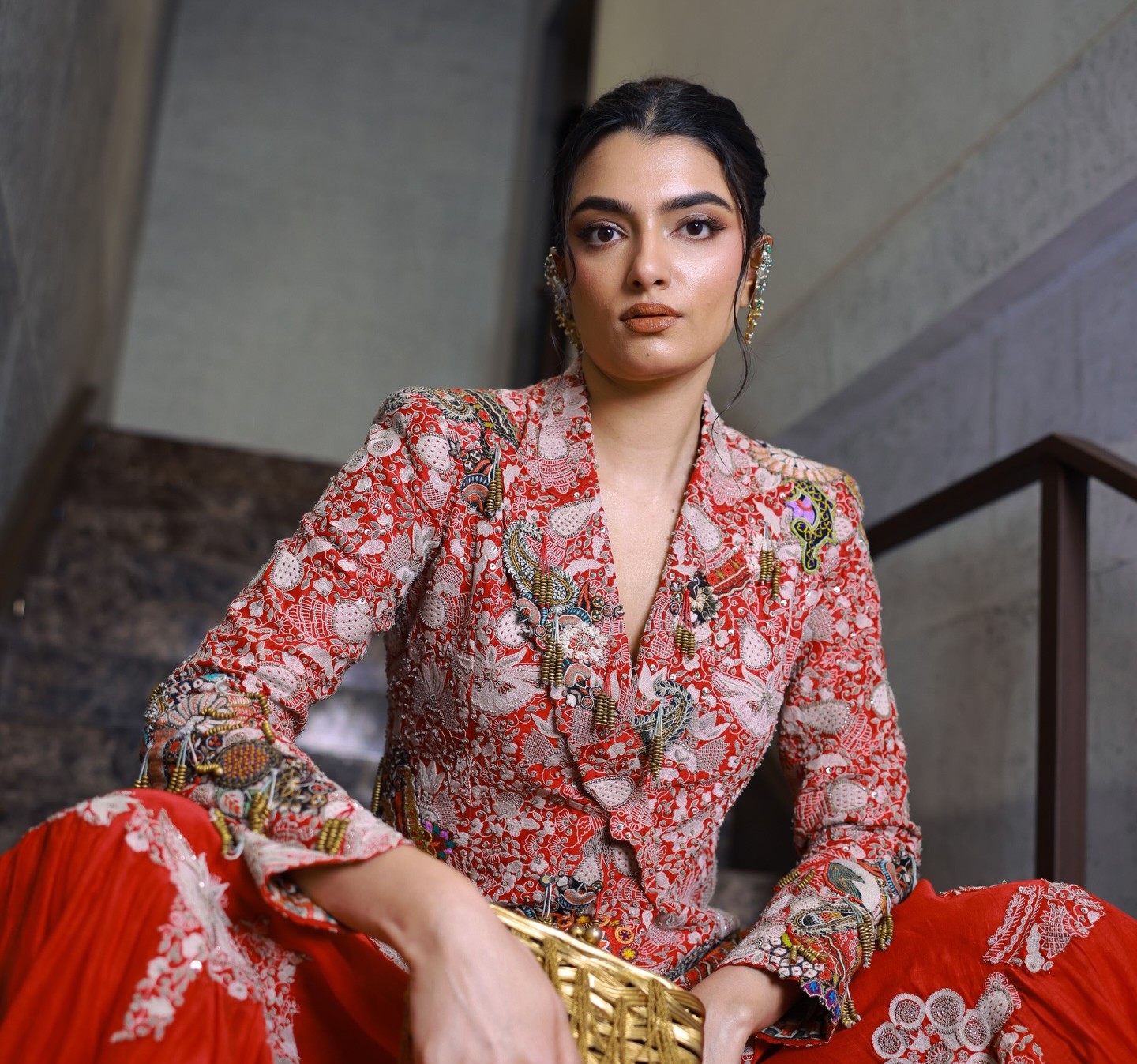
Hand-painted florals and statement silhouettes
Renasci
Architecture as Fashion
Tucked away in the refined neighbourhood of Nungambakkam, Renasci Fashion House presents a distinct interpretation of luxury—one that is quiet, composed, and deeply intentional. Founded by Ritika Arya, the boutique reflects a philosophy rooted in reinvention, staying true to the meaning of its name. Here, fashion is not driven by fleeting trends, but by structure, form, and an almost architectural approach to design. From the moment one enters the space, the atmosphere sets the tone. The interiors are deliberately understated—white walls, muted textures, and a sense of openness that immediately slows the pace of the experience. Unlike conventional boutiques that rely on visual density to impress, Renasci embraces restraint. The layout allows each piece to breathe, inviting attention without demanding it. It is a space designed as much for contemplation as it is for shopping.
This sense of calm extends seamlessly into the clothing itself. Renasci’s design language is best described as architectural—garments that are constructed with precision, where silhouette takes precedence over surface embellishment. The pieces do not rely on heavy ornamentation to make an impact; instead, they stand out through clean lines, thoughtful cuts, and a quiet confidence. It is a style that appeals to those who appreciate subtlety over spectacle. The boutique’s collections span women’s pret, resort wear, and couture, offering a versatile wardrobe for a range of occasions. Flowing tunics, structured evening gowns, floor-length anarkalis, and refined salwar suits form the core of its offerings.
Each piece is designed to transition effortlessly between settings, reflecting a modern lifestyle where elegance must also be practical. Accessories complement the garments without overpowering them, maintaining the boutique’s signature balance.
What distinguishes Renasci further is its emphasis on experience as a starting point. The boutique is not built around volume, but around curation. Every garment is placed with intention, ensuring that the visual narrative remains cohesive. This approach transforms the act of browsing into something more immersive, where customers are encouraged to engage with the design rather than simply move through racks. At the heart of this experience is Ritika Arya’s personal involvement. Her presence is felt not only in the aesthetic direction of the boutique but also in the way clients are guided through their choices. The process is collaborative, centred on understanding individual preferences and translating them into pieces that feel both personal and refined. This attention to detail creates a sense of trust, elevating the boutique from a retail space to a design destination.
Renasci occupies a unique position within Chennai’s fashion landscape. It does not attempt to compete through scale or variety, nor does it aim to cater to every segment of the market. Instead, it remains firmly within its niche—offering restrained, wearable luxury that resonates with a discerning clientele. This clarity of vision is perhaps its greatest strength. In an industry often driven by excess, Renasci’s commitment to simplicity feels both refreshing and enduring.
There is also a quiet ambition embedded within the brand. While its presence is strongest within Chennai, the boutique carries the potential to reach a wider audience. Its design philosophy—timeless, structured, and versatile—translates well beyond geographical boundaries. With its strong identity and loyal following, Renasci stands poised for a broader recognition, should it choose to expand its footprint. Ultimately, Renasci is a reflection of a more thoughtful approach to fashion—one that values design integrity over immediacy, and experience over excess. It is a space where clothing is not just worn, but understood, where every piece carries a sense of intention. In a city that continues to redefine its relationship with luxury, Renasci offers a compelling vision of what modern elegance can look like.
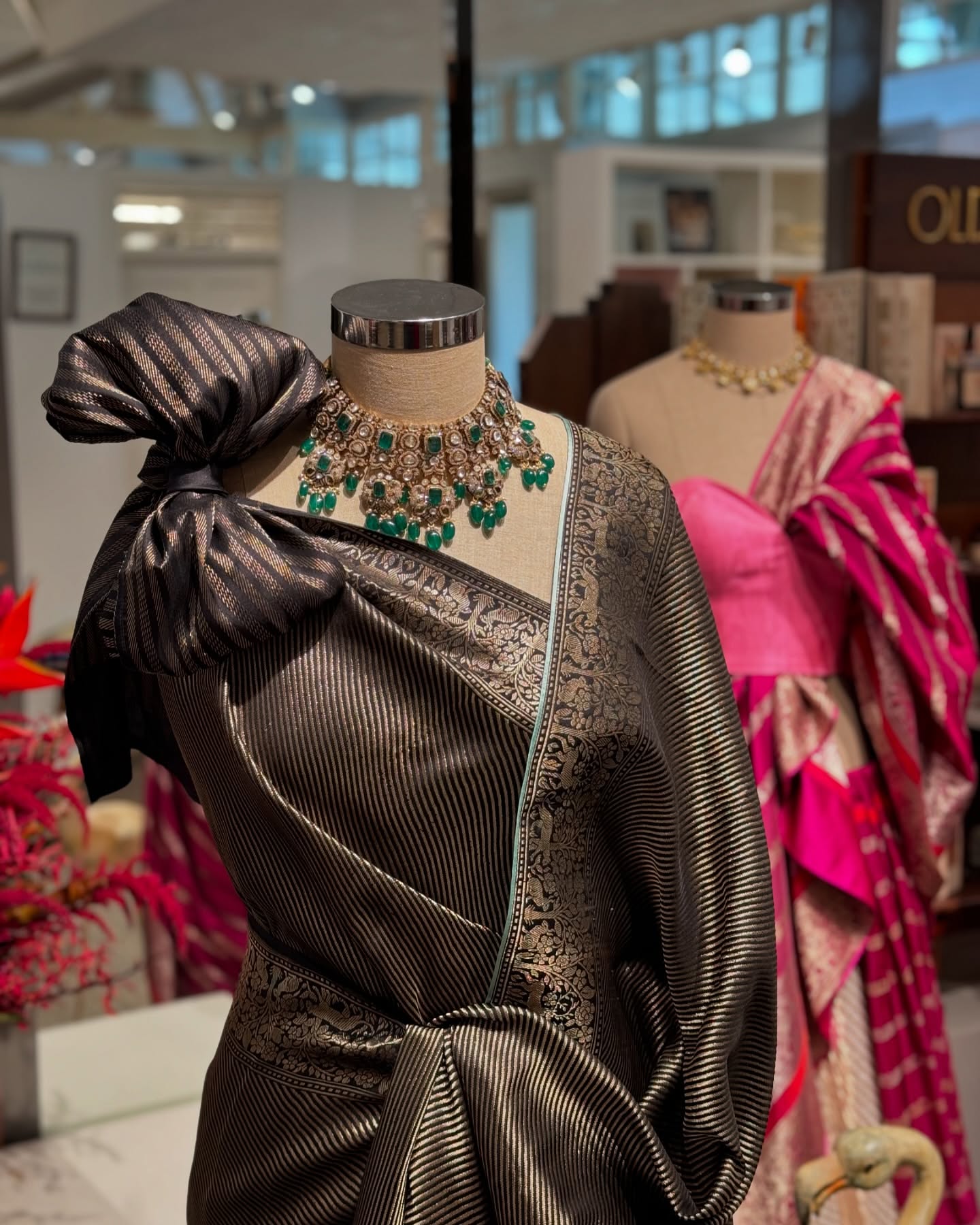
Drapes and heritage jewellery, styled in the atelier
Amethyst
Beyond a Boutique, A Complete Experience
Set within a restored heritage space on Whites Road, Amethyst stands apart as one of Chennai’s most distinctive lifestyle destinations—one that blurs the boundaries between fashion, culture, and everyday experience. Founded in 2000 by Kiran Rao, it redefined what a boutique could be, transforming retail into something immersive, layered, and deeply personal. To describe Amethyst simply as a boutique would be reductive. It is, in essence, a space designed for lingering—a converted granary warehouse that houses a fashion boutique, the much-loved Wild Garden café, a flower shop, and an evolving calendar of cultural events. The experience begins long before one engages with the clothes. The architecture, shaded courtyards, and quiet corners create an atmosphere that invites visitors to slow down, to explore, and to absorb the environment at their own pace.
The origins of Amethyst are rooted in a clear and thoughtful vision. Returning to Chennai after spending time in England, Kiran Rao recognised the absence of spaces that combined aesthetic sensibility with leisure. The city had its traditional eateries and retail stores, but lacked a setting where one could simply exist—unhurried, surrounded by beauty. This insight shaped the foundation of Amethyst, which first opened in a century-old haveli in Gopalapuram before evolving into its current, expansive form. From the outset, the focus was not merely on selling products, but on curating an experience. This philosophy continues to define the boutique, particularly in its fashion space known as “Upstairs at Amethyst.” Here, every piece is handpicked, reflecting a strong commitment to Indian design and craftsmanship.
The collection brings together garments from designers such as Masaba Gupta, Raw Mango, and Anavila, alongside vintage and contemporary jewellery, accessories, and thoughtfully selected home accents. The emphasis is consistently on authenticity—on pieces that carry a sense of origin, narrative, and artistry. One of the most distinctive features of the boutique is its attention to the practical nuances of dressing. The dedicated blouse room, for instance, offers tailored solutions that cater to the specific needs of women who wear Indian ensembles. It is a detail that reveals a deep understanding of its clientele—recognising that true luxury often lies in functionality as much as aesthetics. Over the years, Amethyst has expanded its presence while maintaining the integrity of its original concept. The Amethyst Room at Chamiers extends the brand’s philosophy into another Chennai location, combining boutique retail with cultural programming.
Beyond the city, ventures such as Chintz in Puducherry and La Maison Rose—a restored French villa—carry forward the same ethos, each space rooted in heritage architecture and curated with a consistent sensibility.
What makes Amethyst particularly significant is its dual role as both a commercial and cultural entity. It has served as a platform for emerging designers, hosted literary and artistic events, and fostered a community that extends beyond fashion. In doing so, it has influenced not just what people wear, but how they engage with design and creativity as part of their everyday lives. It is a rare example of a retail space that contributes actively to the cultural fabric of a city.
At the same time, this very uniqueness presents its own set of challenges. The essence of Amethyst lies in its physical experience—the interplay of space, design, and atmosphere that cannot be easily translated into a digital format. Its growth has been deliberate and measured, prioritising authenticity over rapid expansion. This approach has preserved its identity, but also raises questions about scalability in an increasingly digital and fast-paced retail environment.
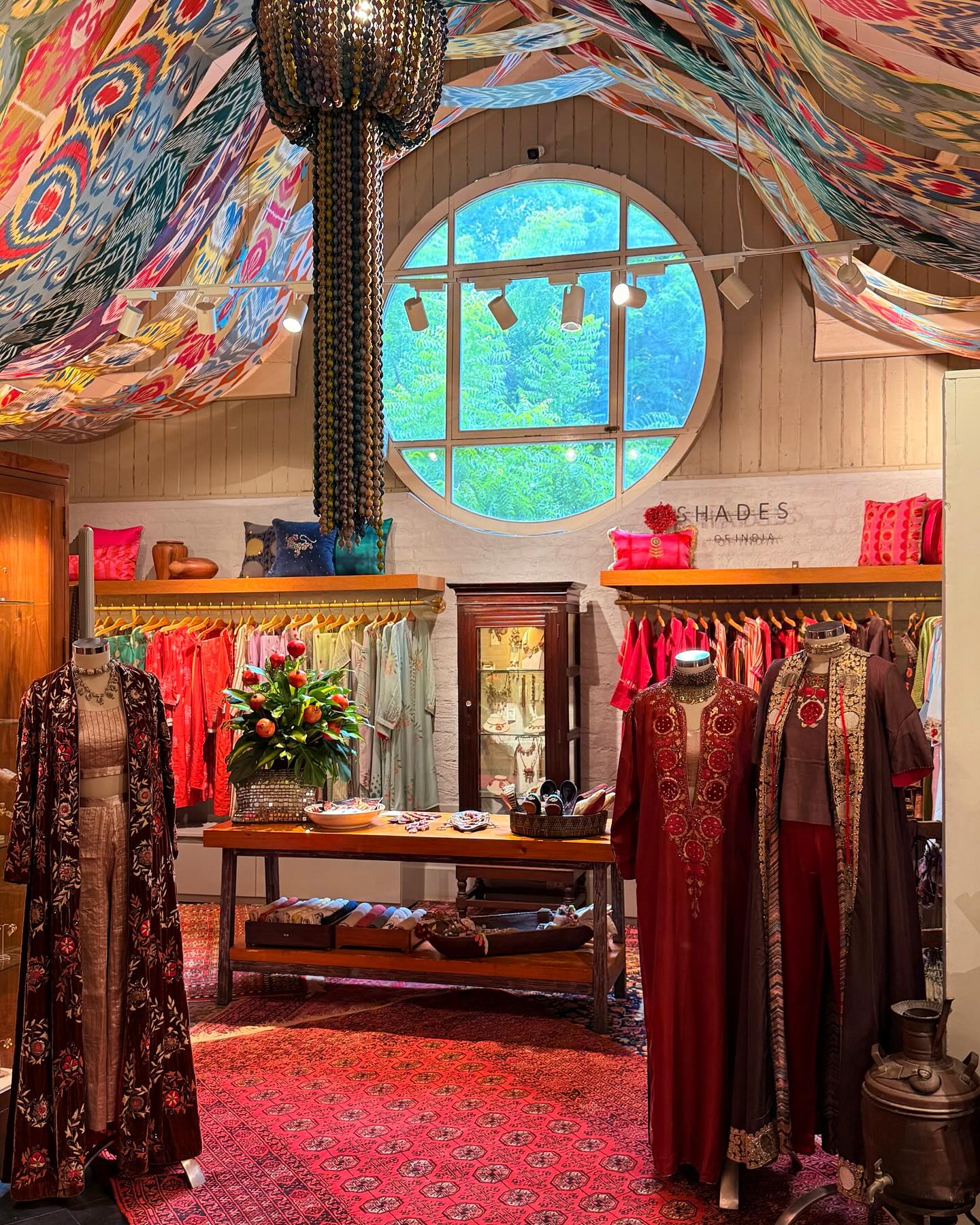
Inside a Chennai boutique — a curated world of colour
Yet, it is precisely this refusal to conform to conventional models that defines Amethyst’s enduring appeal. It remains a place where fashion is not rushed, where choices are considered, and where the act of shopping becomes part of a larger, more meaningful experience. In a city that continues to evolve, Amethyst stands as a reminder that style is not just about what is worn, but about the spaces in which it is discovered.
Collage
Wearable Luxury for Women Who Think
Located in Nungambakkam, Collage stands as one of Chennai’s most enduring multi-designer boutiques, known for its thoughtful curation and refined approach to luxury fashion. Established in 2004, the boutique emerged at a time when the concept of designer retail was still finding its footing in the city. Over the years, it has not only adapted to changing fashion landscapes but has also helped shape the way Chennai engages with contemporary Indian design. The boutique’s journey reflects a quiet resilience. Through evolving consumer preferences, the rise of digital retail, and shifts in the broader fashion industry, Collage has maintained a steady presence. Its recent move from Greams Road to a restored heritage property on Rutland Gate marks a significant chapter in this evolution. The new space, designed with Art Deco influences, brings together history and modernity in a way that mirrors the boutique’s own identity. Rather than opting for a purely commercial setting, the choice of a character-rich building reinforces its commitment to offering a more immersive and considered shopping experience.
At the heart of Collage lies a clearly defined philosophy—one that centres on “wearable luxury.” This is not about overt branding or trend-driven fashion, but about clothing that carries meaning, craftsmanship, and a sense of individuality. The boutique caters to a discerning clientele, particularly women who value design as a process and appreciate garments that tell a story. It is a space for those who look beyond the obvious, seeking pieces that reflect both personal style and cultural depth. This philosophy is evident in the roster of designers featured at Collage. The boutique has brought together some of the most respected names in Indian fashion, including Tarun Tahiliani, Manish Arora, Gauri & Nainika, Rajesh Pratap Singh, Rahul Mishra, and Anupama Dayal, among others. The selection spans a wide spectrum—from intricately detailed traditional wear to experimental contemporary silhouettes—ensuring a balanced representation of India’s diverse design landscape. Each label is chosen not just for its popularity, but for its ability to contribute to a larger narrative of craftsmanship and innovation.
The in-store experience is equally integral to Collage’s identity. The layout is intentionally calm and spacious, allowing garments to be appreciated without distraction. Unlike many multi-designer stores that rely on visual density, Collage adopts a more restrained approach, creating an environment that feels both sophisticated and approachable. The interplay between the heritage architecture and modern interiors adds depth to the experience, making the act of shopping feel more like a journey through curated design. Another defining aspect of Collage is its ability to balance different styles seamlessly. The boutique offers a mix of Indian ethnic wear, western ensembles, and fusion pieces, catering to a wide range of occasions and preferences. This versatility ensures that it remains relevant to a diverse audience, from those seeking statement occasion wear to those looking for understated everyday elegance. What sets Collage apart, however, is its consistency. In an industry where many boutiques struggle to maintain a clear identity over time, it has remained focused on its core vision. This clarity has allowed it to build a loyal clientele that returns not just for the products, but for the experience and perspective the boutique offers. As Chennai’s fashion scene continues to evolve, Collage occupies a distinctive position—one that bridges the gap between tradition and modernity, exclusivity and accessibility. Its continued relevance will depend on how it engages with a new generation of fashion-conscious consumers, particularly those navigating the intersection of physical retail and digital discovery.
Yet, what remains undeniable is the boutique’s enduring influence. Collage is not simply a store; it is a space that reflects a certain way of thinking about fashion—one that values depth over display, and meaning over excess. In doing so, it has secured its place as a defining presence in Chennai’s luxury fashion landscape.
Evoluzione
Redefining Everyday Luxury in Chennai
Located on the prestigious Khader Nawaz Khan Road, Evoluzione has established itself as one of the most influential multi-designer boutiques in the city, offering a comprehensive view of India’s luxury fashion landscape under a single roof. Founded by Tina Malhotra and Atul Malhotra, the store represents a refined approach to retail—one that brings together scale, curation, and exclusivity in equal measure.
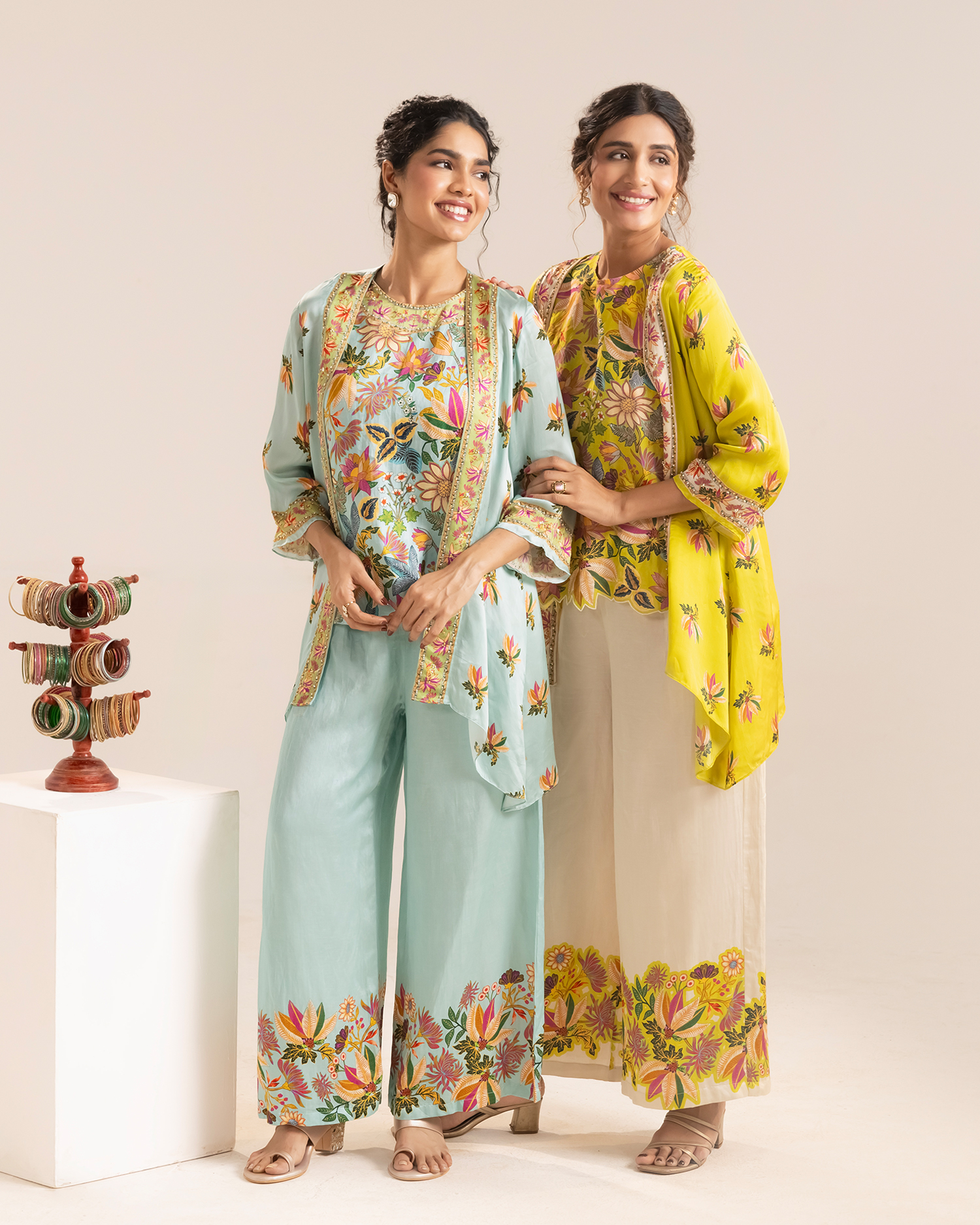
Contemporary co-ords with an artisanal soul
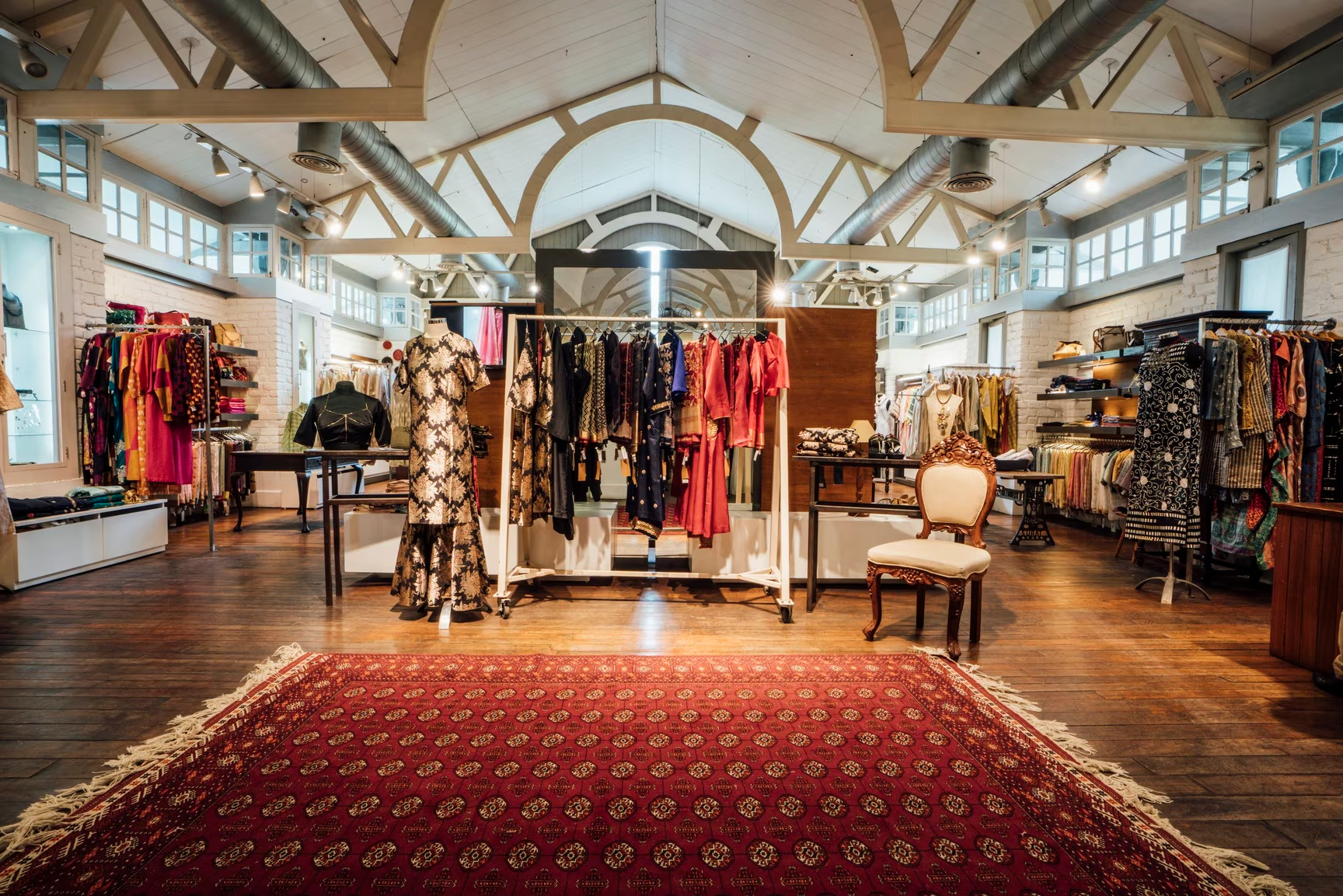
The flagship fashion house, gallery-like in scale
From the outset, Evoluzione positioned itself as more than just a boutique. It is designed as a destination where clients can access some of the most celebrated names in Indian fashion without navigating multiple stores or cities. The experience is built around convenience without compromise, offering a carefully curated selection that reflects both established excellence and contemporary relevance. The strength of Evoluzione lies in its impressive roster of designers. Labels such as Tarun Tahiliani, Sabyasachi Mukherjee, Manish Malhotra, Rohit Bal, Anamika Khanna, and Gaurav Gupta define the core of its collection, representing the upper echelon of Indian couture and prêt. These are designers whose work shapes national and international fashion conversations, and their presence within a single retail space underscores the boutique’s stature within the industry. At the same time, Evoluzione avoids becoming static by incorporating emerging designers into its portfolio. By showcasing newer voices alongside established names, the boutique maintains a sense of freshness and evolution. This balance ensures that the store appeals not only to loyal luxury buyers but also to a younger audience seeking contemporary interpretations of Indian fashion.
Beyond apparel, Evoluzione extends its offerings into lifestyle and décor, featuring accessories and home accents that complement its fashion narrative. This expansion transforms the store into a holistic luxury destination, where clients can explore design across categories rather than limiting themselves to clothing. It reflects a broader understanding of modern consumer preferences, where fashion is often part of a larger lifestyle expression. The boutique’s influence extends beyond Chennai. With additional locations in Delhi, Evoluzione has successfully translated its model into multiple markets, reinforcing its identity as a national retail presence rather than a city-specific store. While the Chennai flagship remains central to its story, the expansion highlights the brand’s ability to maintain consistency across different contexts and clientele.
What defines Evoluzione most clearly is its emphasis on curation, experience, and access. In an era where many designers operate through direct channels, the relevance of a multi-designer store depends on how effectively it can offer something beyond availability. Evoluzione achieves this through its ability to present a cohesive, high-quality selection within an environment that is both sophisticated and accessible.
At the same time, operating within the premium luxury segment brings its own set of challenges. The boutique caters to a niche audience, and its positioning is closely tied to the dynamics of high-end consumer spending. As the fashion industry continues to evolve, with increasing digital engagement and direct-to-consumer strategies, multi-designer stores must continually adapt to remain relevant.
Despite these shifts, Evoluzione has maintained a strong and distinctive presence. It represents a particular vision of luxury—one that values variety, craftsmanship, and the ability to discover exceptional design in a single space. In Chennai’s fashion ecosystem, it stands as a key destination for those seeking the finest expressions of Indian couture, offering not just products, but a curated perspective on style.