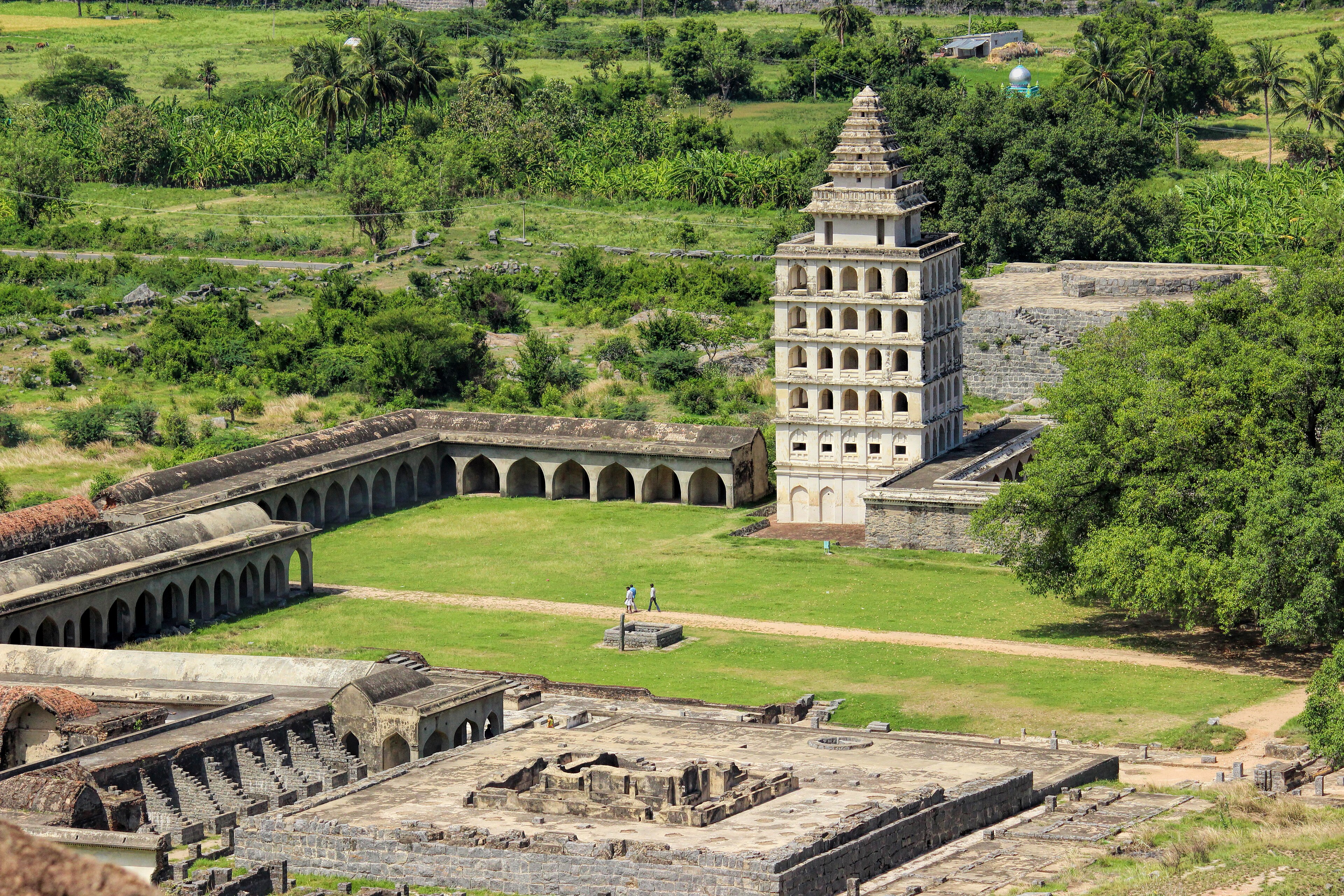
Historical Background: From Royal Tribute to Modern Town
The history of Ranipet is both tragic and inspiring, beginning with its founding in honour of Desingh Raja’s widow, whose Sati inspired the establishment of the settlement on the northern bank of the Palar River. The town gradually grew under the Nawabs of Carnatic, becoming a regional administrative and military hub. During British rule, Ranipet’s strategic importance increased as it became connected by one of South India’s earliest railway lines, linking it to Chennai and surrounding districts. The area around Arcot Fort and other nearby heritage sites stands as testimony to centuries of cultural and political influence, preserving architectural styles and historical narratives that continue to fascinate historians and travellers alike. The town’s evolution from a royal tribute settlement to a bustling administrative and industrial center reflects the resilience and adaptability of the region over centuries.
Geography and Climate: Fertile Plains and Tropical Weather
Ranipet is situated approximately 130 kilometres west of Chennai, along the banks of the Palar River, which has historically supported agriculture and human settlement. The district features flat plains interspersed with small hills and rocky outcrops, giving it a varied landscape that supports both industrial and agricultural activities. The region experiences a tropical savanna climate, with hot summers between March and June, moderate monsoons from July to September, and mild winters from November to February. Despite rapid industrialization, pockets of greenery and riverine areas provide relief from urban density, and the climate is suitable for outdoor industrial, educational, and tourism activities throughout the year.
Administrative Profile: A Modern District
Ranipet officially became a district of Tamil Nadu on 28 November 2019, following the bifurcation of the former Vellore district. With Ranipet town as its headquarters, the district covers an area of approximately 2,234 square kilometers and had a population of about 1.21 million according to the 2011 census. It is divided into two revenue divisions — Ranipet and Arakkonam — and six taluks, including Arcot, Walajah, Kalavai, Sholinghur, Arakkonam, and Nemili. The district also encompasses 330 revenue villages, seven development blocks, and several municipalities and town panchayats. This administrative restructuring has allowed more focused governance, improved infrastructure development, and better civic services, enabling the district to grow economically while preserving cultural and historical sites.
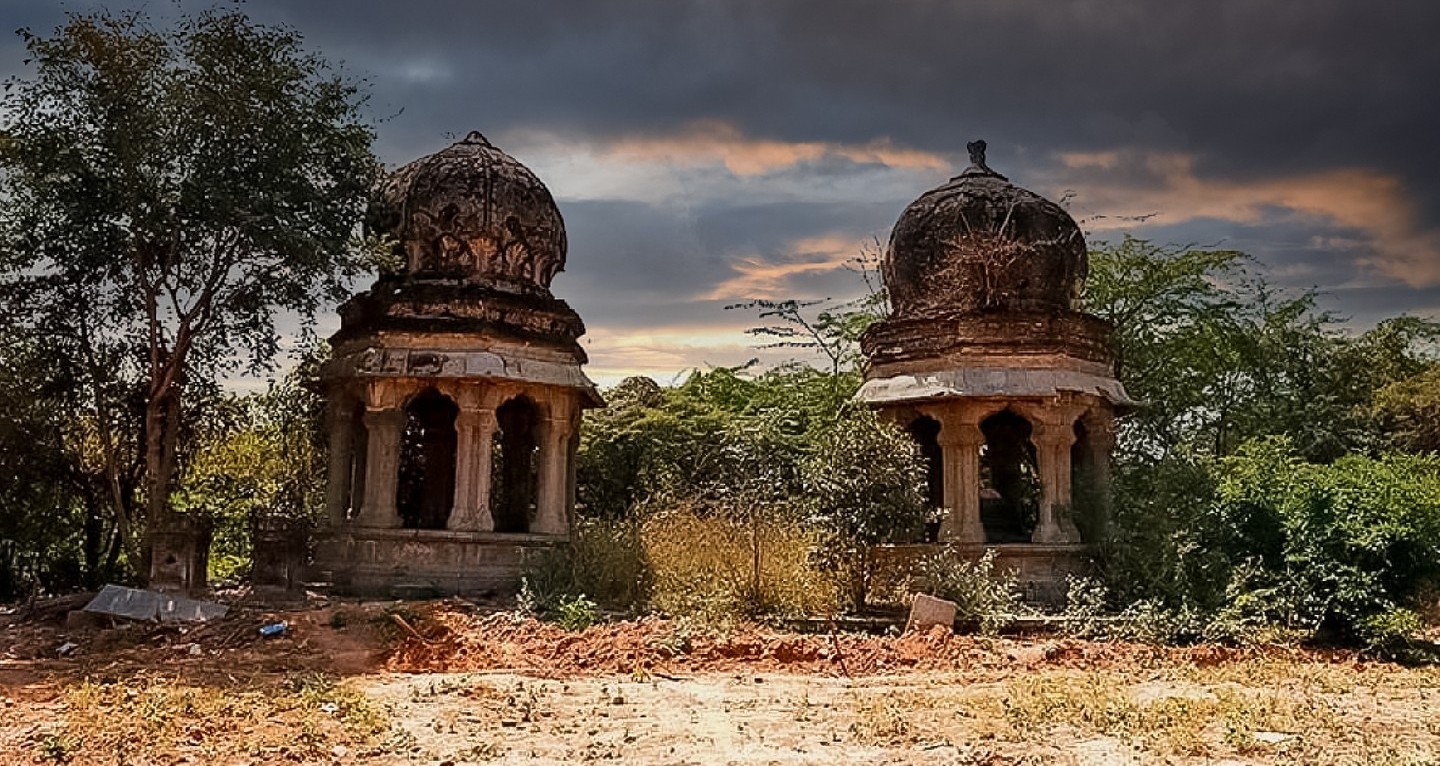
The Raja Rani Monument, dedicated to the town's royal history
Economic Significance: The Industrial Backbone
Ranipet has earned a reputation as one of Tamil Nadu’s foremost industrial hubs, largely due to the presence of the SIPCOT Industrial Estate and numerous small, medium, and large-scale manufacturing units. The leather and tanning industry dominates, producing high-quality finished leather, footwear, and garments for domestic and international markets, earning Ranipet the nickname “Leather City of India.” In addition, the district hosts chemical manufacturing units, engineering workshops, and tool-making industries, which collectively provide employment to thousands of residents. The industrial landscape has transformed Ranipet into a cosmopolitan and economically dynamic region, attracting workers, entrepreneurs, and professionals from across India, while contributing significantly to both the local and state economy.
Cultural Heritage and Landmarks: Tradition Amid Growth
Despite its strong industrial identity, Ranipet preserves a rich cultural and historical heritage. The nearby Arcot Fort, a relic from the era of the Nawabs of Carnatic, stands as a testament to the region’s historical significance. Numerous temples and shrines scattered across the district showcase Dravidian architecture, offering spiritual and architectural insights to visitors. Historically verdant areas such as Navlakh Bagh along the Palar River highlight the district’s once lush natural environment. These cultural and historical elements coexist alongside industrial zones, creating a fascinating contrast that gives Ranipet a unique identity among Tamil Nadu’s districts.

Ranipet's renowned leather and tanning industry
Demographics and Lifestyle: A Diverse Community
Ranipet is home to a diverse and growing population, with Tamil as the primary language and English and Hindi commonly used in business and industrial contexts. The town exhibits a higher-than-average sex ratio, with approximately 1,091 females per 1,000 males, reflecting a balanced demographic structure. The influx of industrial workers from other states has created a multicultural community, blending regional traditions with migrant influences. This diversity is visible in the local cuisine, festivals, and lifestyle, adding a modern vibrancy to the town while still honoring its historical roots.
Tourism and Nearby Attractions: Offbeat Experiences
While not a conventional tourist destination, Ranipet offers several attractions for travelers seeking offbeat experiences. The Arcot Fort provides a window into colonial history and regional power struggles, while the Sholinghur Hill Temple offers serene spiritual experiences and panoramic views of the surrounding plains. Industrial tourism is also emerging, with leather and chemical units sometimes offering guided factory visits to showcase traditional and modern processes. Moreover, Ranipet’s proximity to Yelagiri Hills, Vellore, and Kancheepuram makes it an ideal starting point for weekend trips to nearby cultural and natural attractions.

A modern industrial estate — the district's manufacturing engine
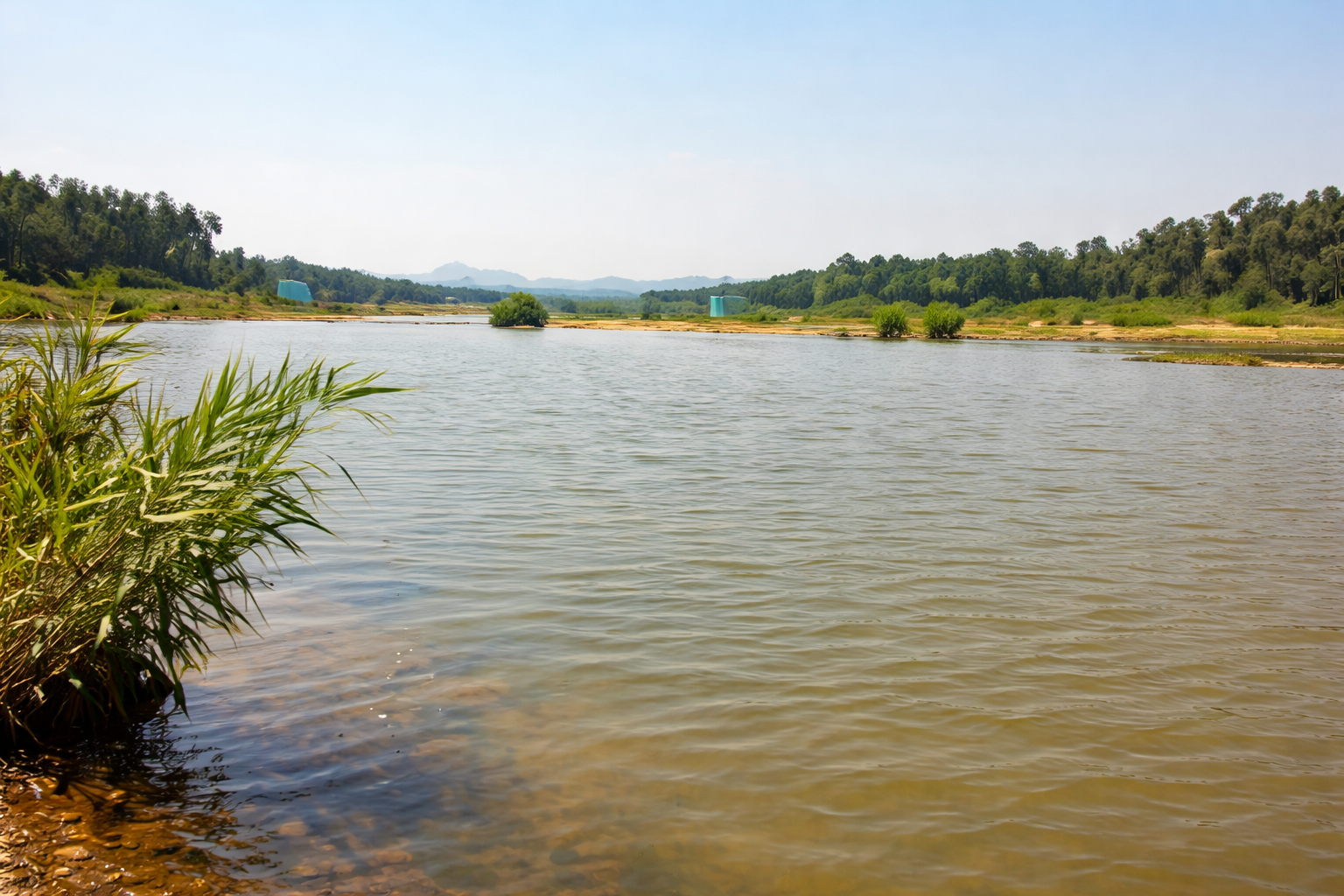
The Palar river landscape around Ranipet
Education and Infrastructure: Building for the Future
Ranipet boasts a well-established educational infrastructure, including schools, colleges, and technical institutes specializing in leather technology, chemical engineering, and industrial skills. The district is well-connected via NH48, railway lines, and bus networks, linking it to Chennai, Vellore, and other key cities. The growth of education and skill development centers complements industrial growth, creating a talent pipeline that sustains the district’s economic vitality and encourages social development.
Challenges and Sustainable Development
Industrial growth brings challenges alongside prosperity. Environmental concerns arise from chemical and leather industries, urbanization pressures threaten heritage sites, and green spaces such as Navlakh Bagh have been reduced. The district administration is actively pursuing initiatives to balance industrial growth with environmental sustainability, improve civic amenities, and preserve historical and cultural landmarks, ensuring that Ranipet continues to thrive responsibly.
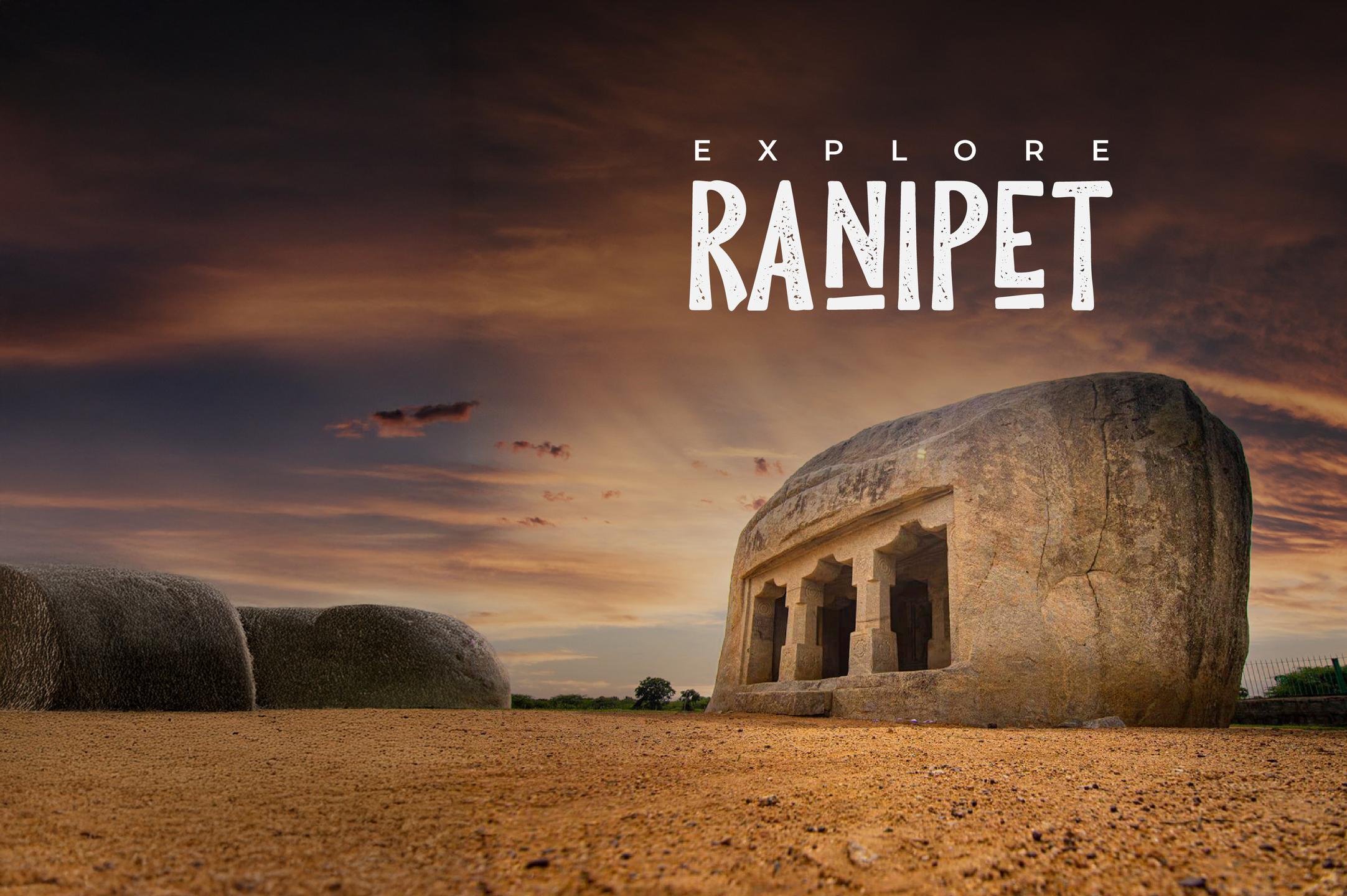
Exploring Ranipet — where heritage meets industry
Ranipet — Past, Present, and Future
Ranipet is a district of contrasts, where history, culture, and industrial modernity converge. From its origins as a royal tribute settlement to its status as a leading industrial hub, the district represents Tamil Nadu’s evolving story. Its rich heritage, vibrant industrial landscape, and diverse community offer travelers, historians, and industry enthusiasts a unique lens into the past and present of the region, while development initiatives promise a dynamic and sustainable future.