
The Rise of Electric Vehicles Worldwide
Electric vehicles have emerged as a practical and increasingly preferred alternative to internal combustion engine vehicles, driven by advances in battery technology, declining costs, and strong policy support. Operating on electricity rather than petrol or diesel, EVs eliminate tailpipe emissions and significantly reduce greenhouse gas output, especially when powered by renewable energy. Countries such as Norway, China, and India have demonstrated how subsidies, tax incentives, and charging infrastructure can rapidly accelerate adoption. Beyond environmental benefits, EVs also reduce dependence on imported oil, strengthening national energy security and insulating economies from volatile fuel prices. As consumer awareness grows and vehicle ranges improve, electric mobility is steadily becoming a cornerstone of modern transportation systems.
Green Technology Beyond the Automobile
While electric vehicles are a critical pillar, green technology extends far beyond transportation. Renewable energy systems, energy-efficient buildings, sustainable manufacturing, and smart grids together form an interconnected ecosystem designed to minimize environmental impact. Solar and wind power, when integrated with EV charging networks, ensure that mobility remains clean throughout its lifecycle, from energy generation to daily use. Innovations in green construction materials, waste reduction, and digital energy management further enhance sustainability outcomes. The real transformation lies in the synergy between EVs and green technology, where clean energy, smart infrastructure, and sustainable design work together to support long-term net-zero goals.
Batteries, Charging Infrastructure, and Innovation
The success of electric mobility depends heavily on battery performance and charging accessibility. Lithium-ion batteries currently dominate the market due to their efficiency, reliability, and falling costs, while ongoing research into solid-state batteries promises faster charging, greater safety, and extended driving range. Parallel to battery innovation is the expansion of charging infrastructure, which plays a decisive role in consumer confidence. Dense urban charging networks, highway fast chargers, and smart, renewable-powered stations are transforming how vehicles are used and perceived. As grids modernize and smart charging technologies mature, EVs are becoming integral components of broader energy systems rather than standalone products.
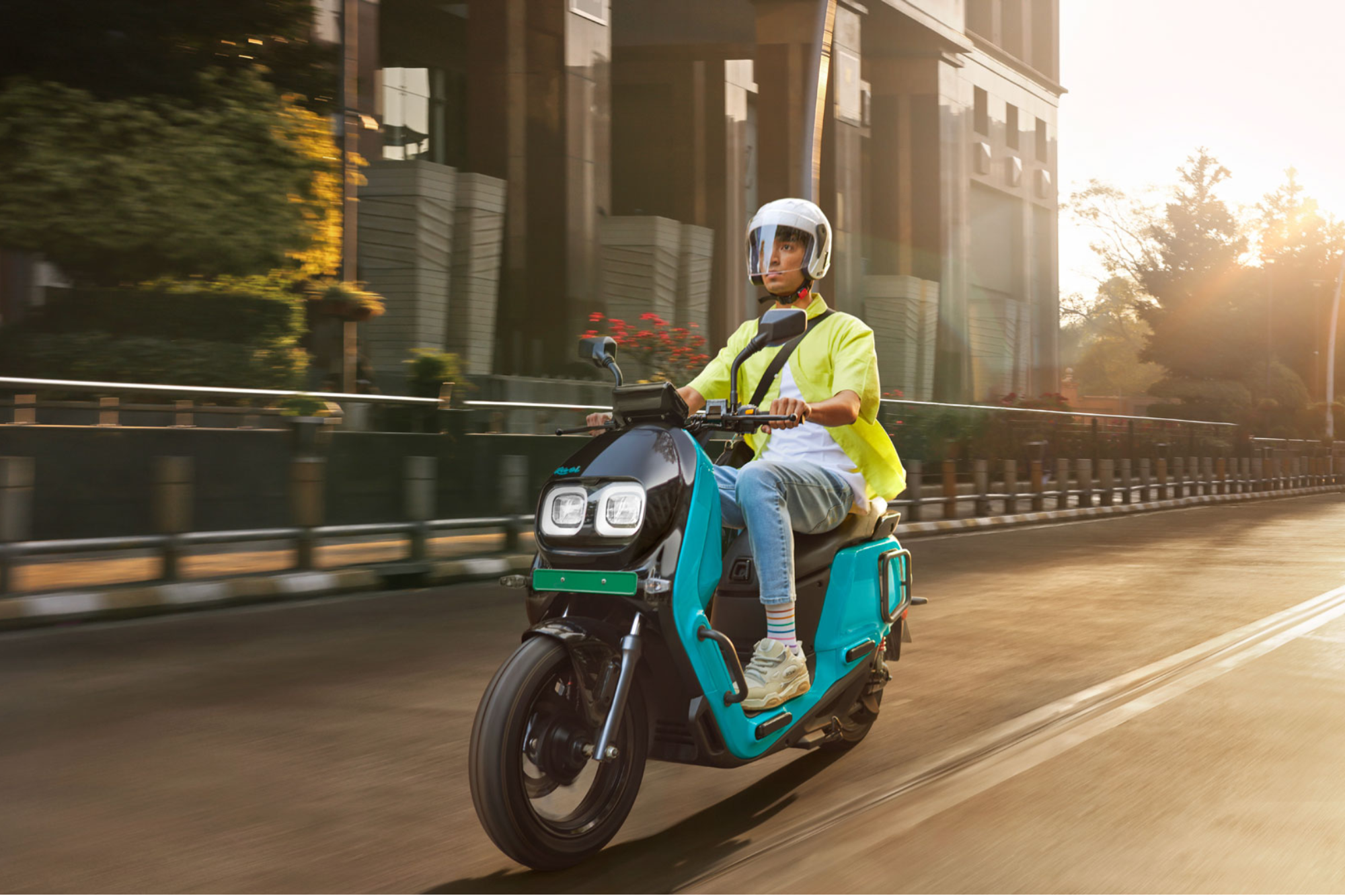
Electric two-wheelers take to the roads
Policy, Industry, and the Role of Government
Government policy remains a decisive force in shaping the pace and scale of EV and green technology adoption. Financial incentives, regulatory frameworks, and emission standards encourage consumers and manufacturers alike to shift toward cleaner alternatives. India’s national initiatives, combined with state-level strategies, have created fertile ground for innovation and investment. Automotive manufacturers and technology firms are responding with large-scale investments in EV production, battery research, and sustainable supply chains. Companies such as Tata Motors, Mahindra Electric, Hyundai, and Ashok Leyland are reshaping mobility while embedding sustainability into manufacturing, logistics, and lifecycle management.
Tamil Nadu’s Vision for Electric Mobility and Green Growth
Within India, Tamil Nadu has emerged as one of the most proactive regions driving electric mobility and green technology. The state has articulated an ambitious vision to become a leading hub for EV manufacturing, adoption, and innovation, with targets focused on investment attraction, job creation, and emissions reduction. Generous exemptions from road tax, registration fees, and permit charges have lowered entry barriers for consumers, while incentives for manufacturers have encouraged large-scale industrial participation. By aligning industrial growth with sustainability objectives, Tamil Nadu is building a comprehensive ecosystem that supports both economic development and environmental stewardship.
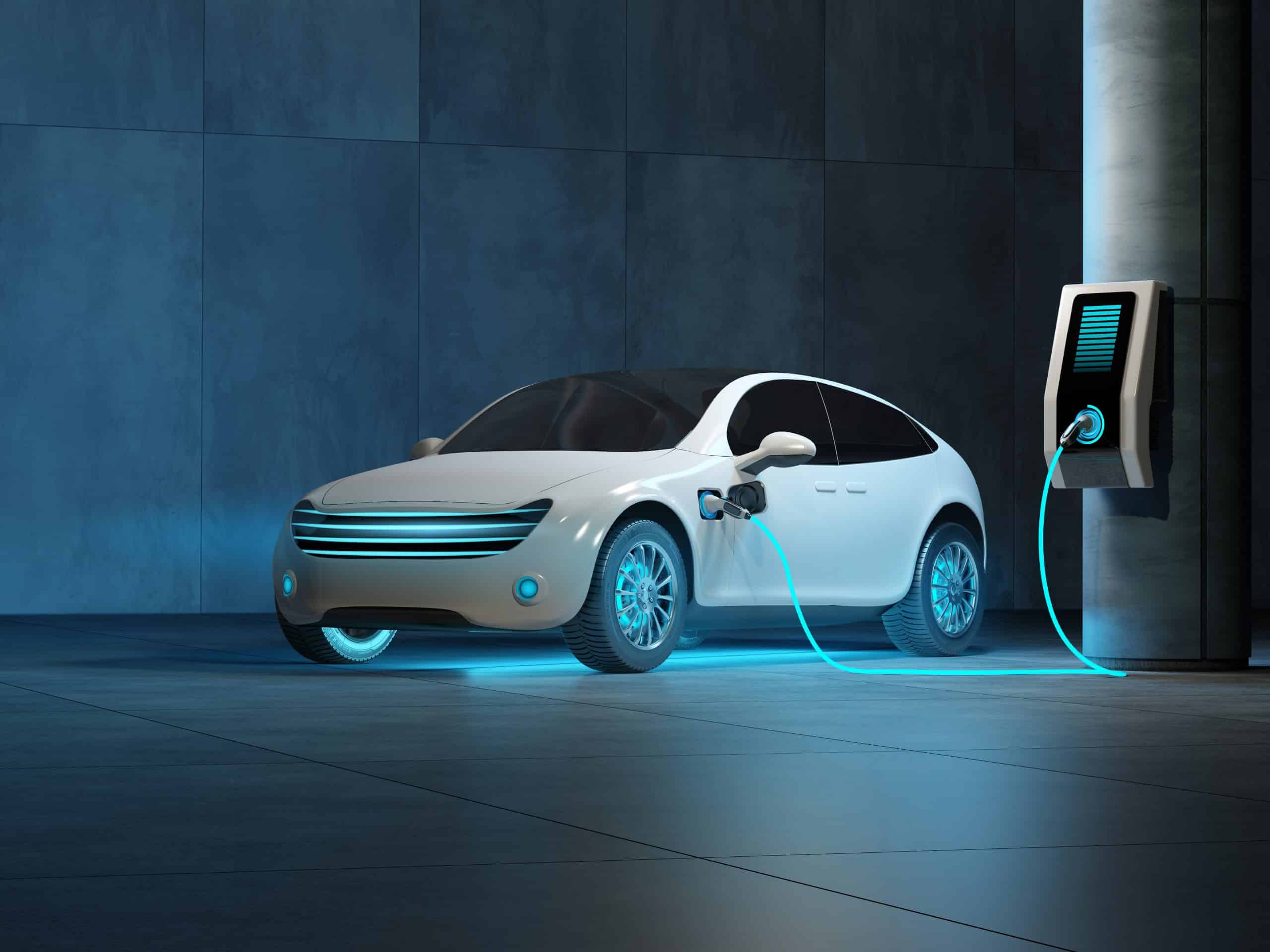
A modern EV charging station
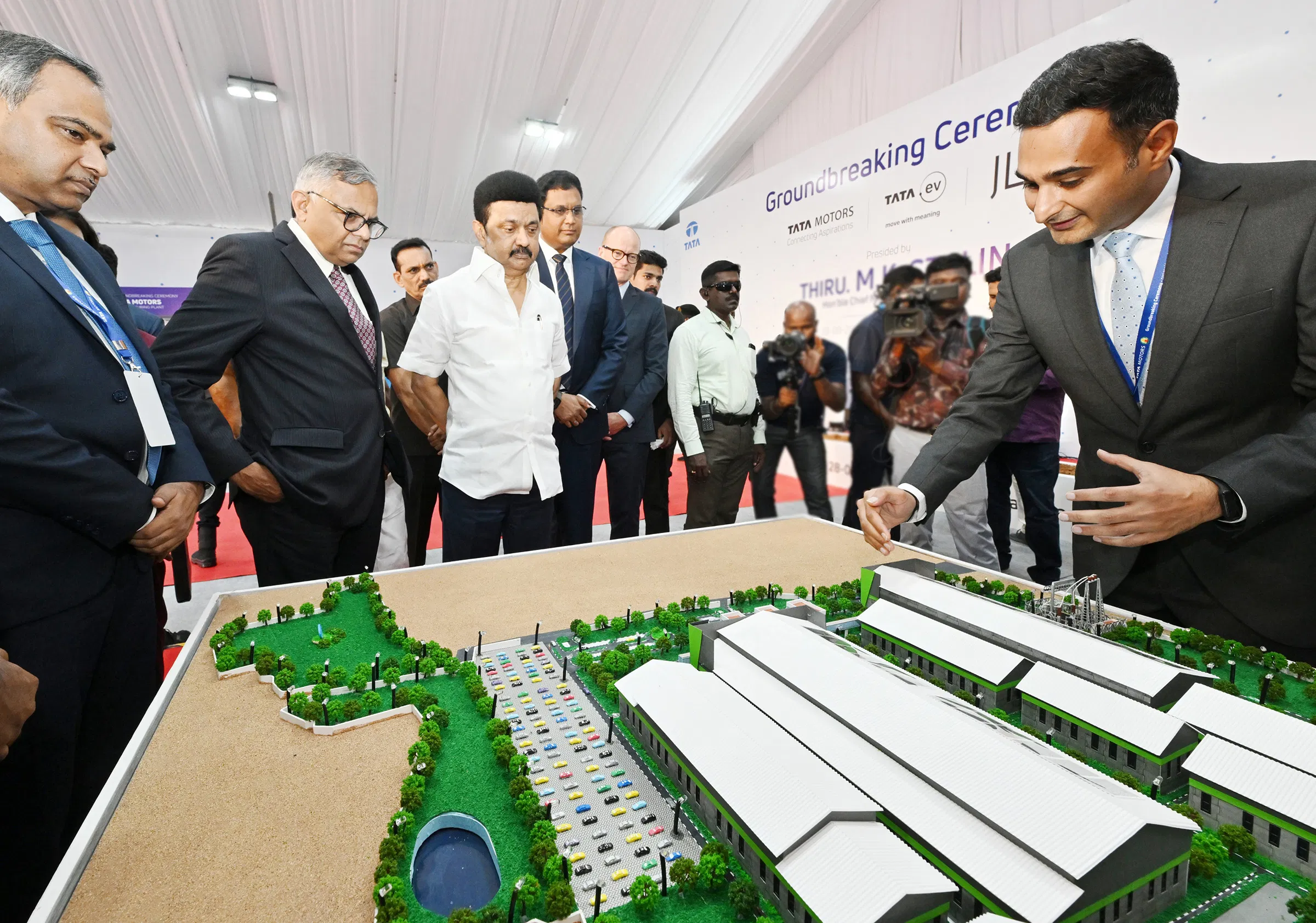
The state backs green mobility manufacturing
Infrastructure Expansion and Clean Energy Integration
A defining feature of Tamil Nadu’s approach is its emphasis on charging infrastructure and renewable energy integration. Hundreds of new charging stations are being established across cities and highways, while new residential and commercial developments are required to include EV-ready facilities. This infrastructure expansion directly addresses range anxiety and ensures that electric mobility is practical beyond major urban centers. Simultaneously, the state’s strong solar and wind capacity is increasingly linked to EV charging, ensuring that the shift to electric transport delivers genuine carbon reductions. This integration of clean energy and mobility places Tamil Nadu at the forefront of sustainable urban and regional planning.
Leadership Driving the Transition
The transformation of Tamil Nadu’s EV and green technology landscape is closely tied to strong political leadership. M. K. Stalin, serving as Chief Minister since 2021, has placed sustainable development at the center of his governance agenda. Under his leadership, the state launched forward-looking EV policies that combine financial incentives, industrial promotion, and renewable energy integration. His administration’s emphasis on public-private collaboration has created an environment where innovation and investment can thrive. Complementing this vision is the role of T. R. B. Rajaa, the Minister for Industries, Investment Promotion, and Commerce, who has been instrumental in translating policy into action. Through targeted investment facilitation, infrastructure development, and industry engagement, he has helped accelerate the creation of a robust EV ecosystem spanning manufacturing, research, and deployment.
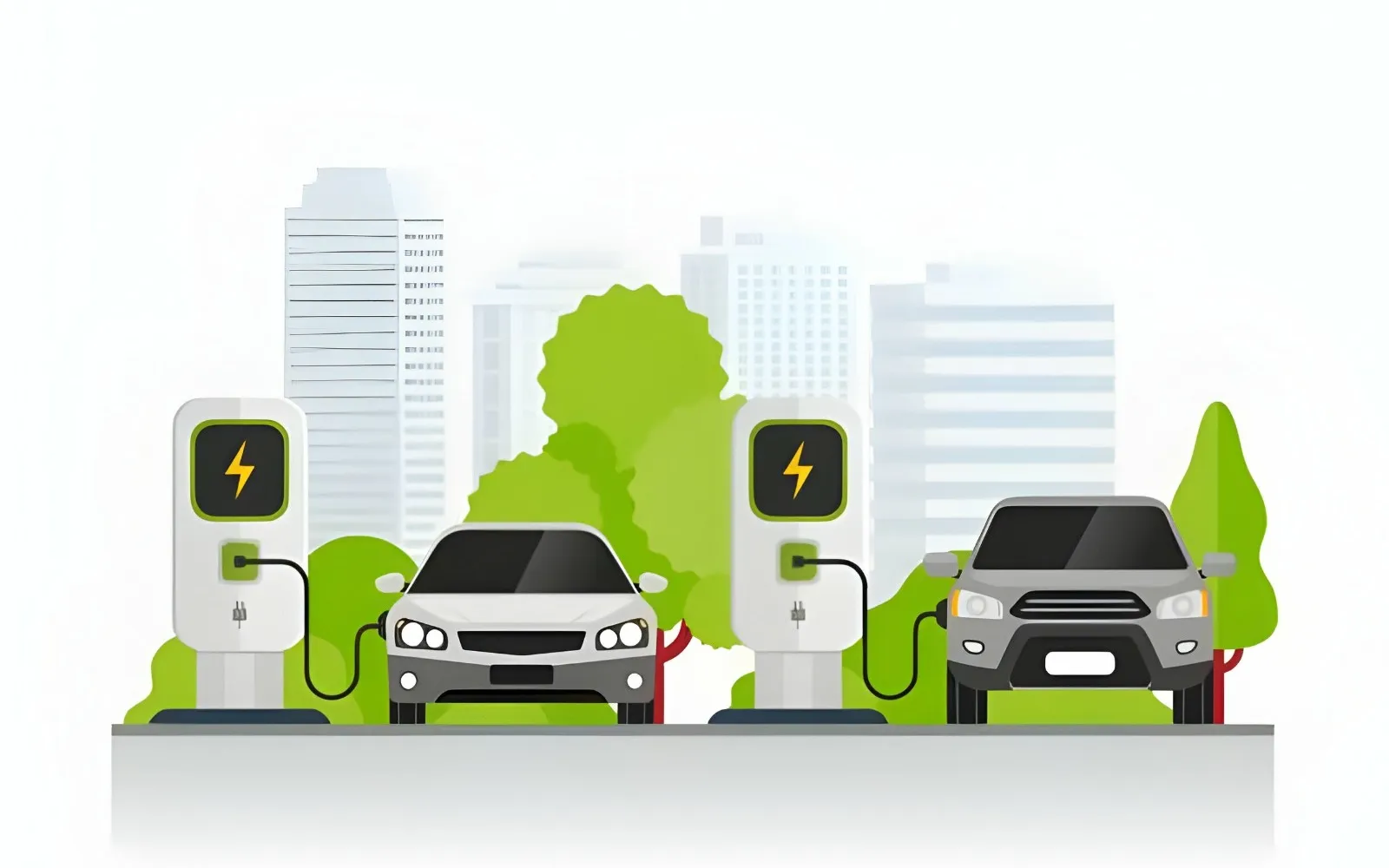
Fast charging, ready in minutes
Environmental, Economic, and Social Impact
The combined push toward electric vehicles and green technology is delivering tangible benefits. Cleaner transportation reduces air and noise pollution in urban areas, improving public health and quality of life. Economically, the EV sector is generating large-scale employment across manufacturing, battery production, infrastructure development, and renewable energy. Increased domestic production enhances energy security and reduces reliance on imports, while positioning regions like Tamil Nadu as export-oriented manufacturing hubs. These outcomes demonstrate how sustainability and economic growth can reinforce rather than oppose each other.
Challenges and the Road Ahead
Despite impressive progress, challenges remain on the path to full electrification. High upfront vehicle costs, uneven rural charging access, and concerns around battery recycling and disposal require sustained policy attention and technological innovation. The long-term success of electric mobility also depends on continued investment in renewable energy and grid modernization. Addressing these issues will require coordinated action from governments, industries, and research institutions, alongside public awareness and consumer confidence-building measures.

Cleaner journeys along green corridors
A Sustainable Future in Motion
Looking ahead, the next decade is set to redefine mobility and energy systems. Advances in battery efficiency, vehicle-to-grid integration, autonomous electric vehicles, and smart energy management will further blur the boundaries between transport and power infrastructure. Regions that successfully integrate EVs with renewable energy and smart urban planning will lead the global transition to a low-carbon economy. Through decisive leadership, industrial collaboration, and a clear sustainability vision, Tamil Nadu exemplifies how electric vehicles and green technology can drive not only cleaner transportation but a more resilient and prosperous future.