Puthandu, also known as Tamil New Year or Varusha Pirappu, is one of the most cherished and culturally significant festivals celebrated by Tamil communities across the world. Rooted deeply in tradition, spirituality, and agrarian rhythms, this festival marks not just the beginning of a new calendar year, but also a time of renewal, hope, and reflection. Observed on the first day of the Tamil month of Chithirai, Puthandu typically falls on April 14 each year, aligning with the solar cycle. In 2026, this auspicious festival will be celebrated on Tuesday, April 14, with the Sankranti moment occurring at 09:39 AM, marking the sun’s transition into Aries (Mesha Rashi) and the commencement of the Tamil year 1948.
The Cultural Essence
of Puthandu
For Tamils, Puthandu is more than just a date on the calendar—it is a symbolic turning point that reflects a harmonious blend of nature, astronomy, and human life. The Tamil calendar, unlike the Gregorian calendar, is based on solar movements, making the transition of the sun into Mesha Rashi a moment of immense importance.
This celestial shift signifies the beginning of a new cycle of time, bringing with it fresh opportunities, renewed energy, and spiritual awakening. The term “Puthandu” itself translates to “new year,” with “Puthu” meaning new and “Andu” meaning year. Another popular term, “Varusha Pirappu,” literally means “birth of the year.” Both expressions encapsulate the essence of beginnings—of leaving behind the past and stepping into a future filled with hope and positivity.
Historical Roots: From the Sangam Age to Today
The origins of Puthandu can be traced back to the ancient Sangam period, which dates from approximately 300 BCE to 300 CE. This era was a golden age of Tamil literature, culture, and social development. During this time, the Tamil people followed a well-structured calendar system that was closely tied to agricultural cycles and seasonal changes. Puthandu was traditionally celebrated as a harvest festival, marking the end of one agricultural cycle and the beginning of another. Tamil Nadu, with its fertile plains and dependence on agriculture, has always placed great importance on seasonal transitions.
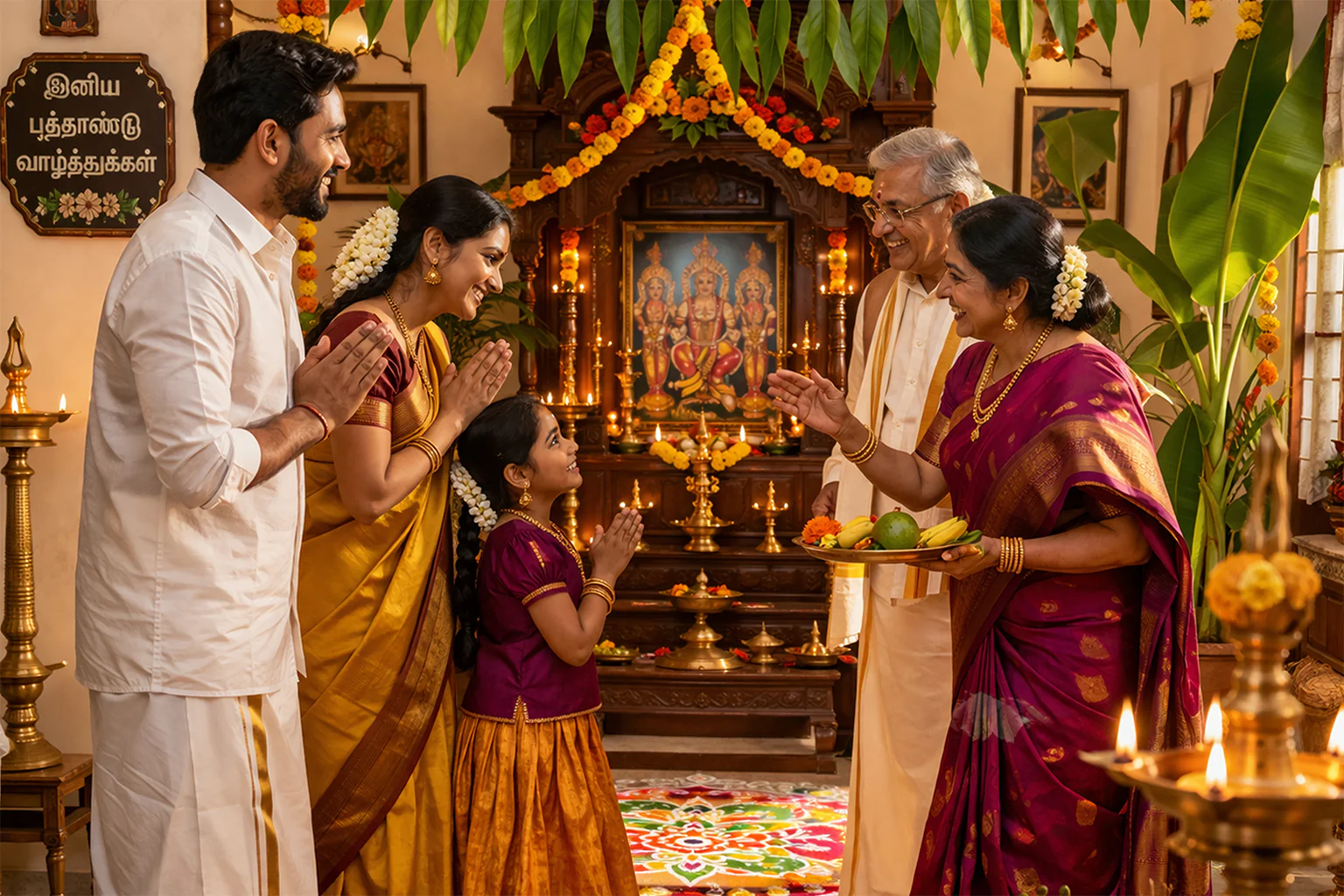
Families gather at the home shrine for Puthandu prayers
The month of Chithirai heralds the arrival of spring and the ripening of crops, making it a time of abundance and gratitude. Ancient Tamil texts and inscriptions suggest that the festival was celebrated with rituals, feasts, and community gatherings even during the Sangam age. Over the centuries, while certain practices have evolved, the core spirit of Puthandu—celebrating life, nature, and community—remains unchanged.
Why Tamil New Year Falls in April
One of the most intriguing aspects of Puthandu is its timing. Unlike many other New Year celebrations that follow lunar calendars, Puthandu is based on the solar calendar. The festival coincides with the sun’s entry into Mesha Rashi (Aries), a phenomenon known as Mesha Sankranti. This transition occurs shortly after the spring equinox, a time when day and night are nearly equal across the globe. In agrarian societies like Tamil Nadu, this period marks the beginning of a new agricultural season. The earth is rejuvenated, crops begin to grow, and farmers prepare for a fresh cycle of cultivation. This alignment with nature is what makes Puthandu unique. It is not merely a celebration of time passing, but a recognition of the earth’s rhythms and humanity’s connection to them. The festival serves as a reminder that life, like nature, is cyclical—filled with phases of growth, rest, and renewal.
Rituals and Preparations: Welcoming the New Year
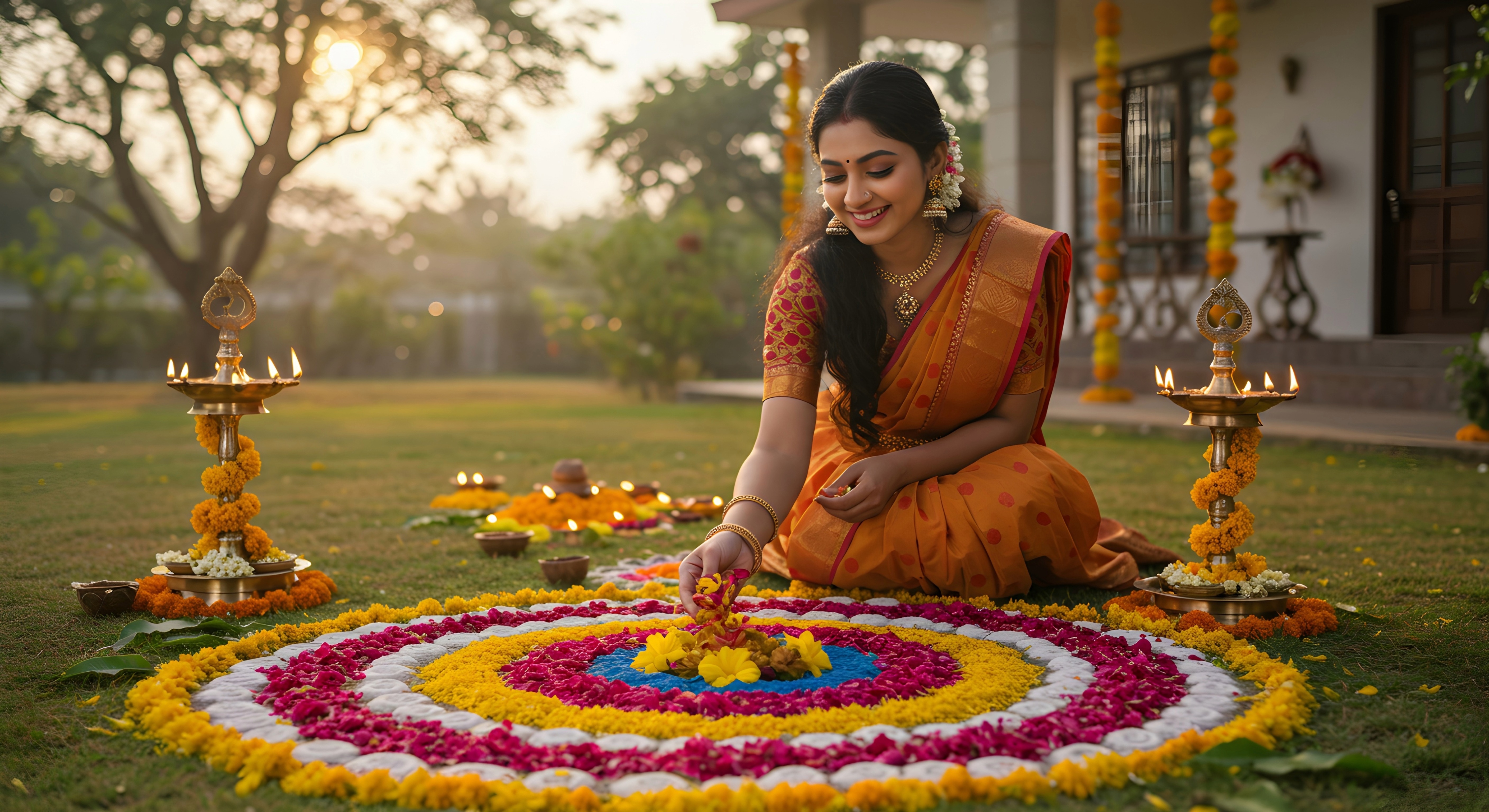
The celebrations of Puthandu begin on the eve of the festival, as households prepare to welcome the new year with positivity and auspiciousness. Homes are thoroughly cleaned and decorated, symbolizing the removal of negativity and the invitation of prosperity. One of the most visually striking traditions is the creation of Kolam designs. Women draw intricate patterns using rice flour or colored powders at the entrance of their homes. These designs are not just decorative—they are believed to invite divine blessings and ensure abundance. The use of rice flour also feeds ants and birds, subtly reinforcing the Tamil ethos of coexistence with nature.
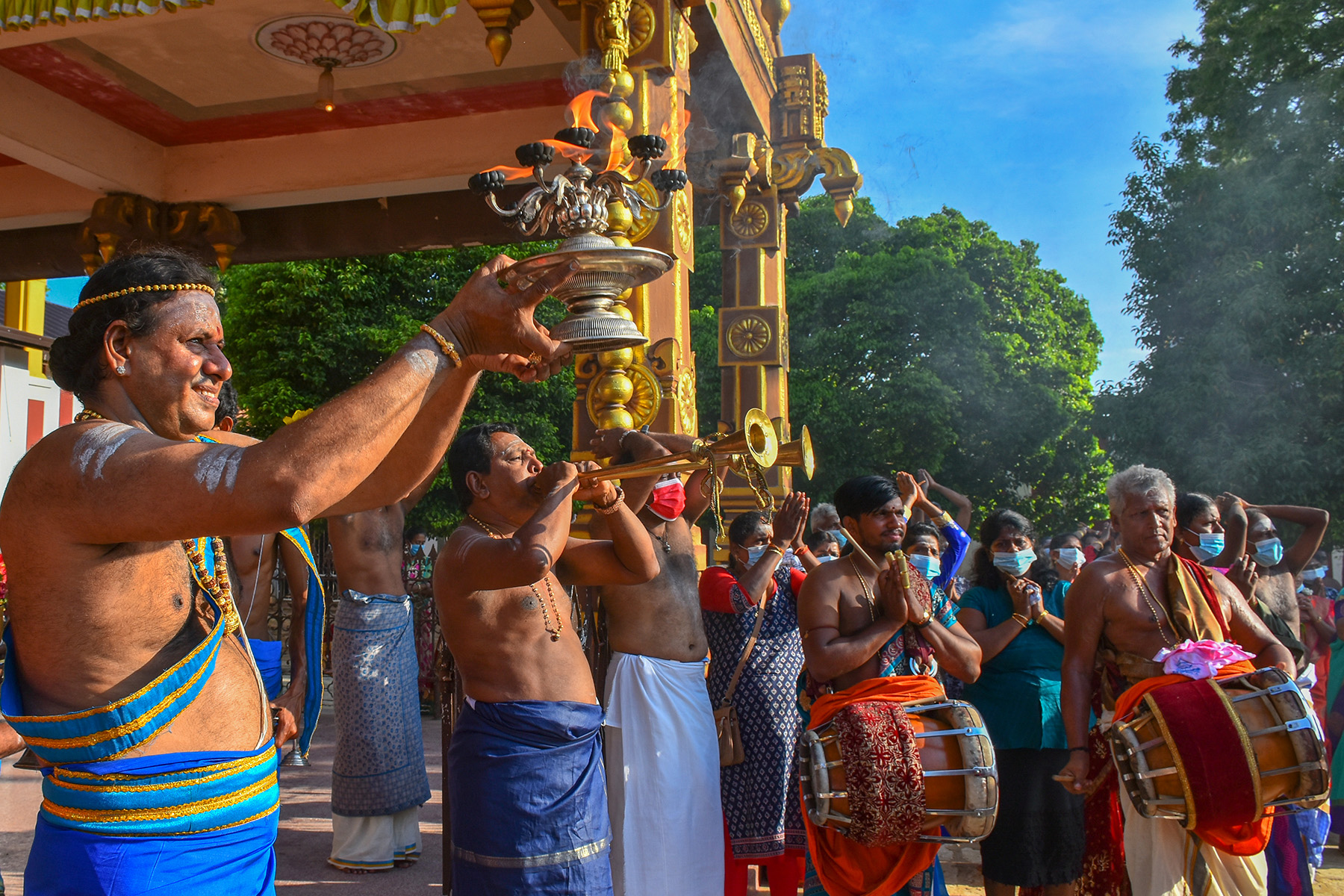
Temple processions and drums usher in the new year
Another important ritual is the preparation of the “Puthandu Kani” or auspicious tray. This tray is carefully arranged with items such as fresh fruits (especially mangoes, bananas, and jackfruit), flowers, betel leaves, coins, jewelry, and a mirror. The inclusion of a mirror is particularly symbolic—it represents self-reflection and the hope that one sees prosperity and happiness in the coming year. The tray is placed in the puja room the night before Puthandu, and family members view it first thing in the morning upon waking. This act, known as “Kani Paarthal,” is believed to set a positive tone for the entire year.
The Dawn of a New Year
On the morning of Puthandu, people wake up early and begin the day with a ritual bath, often using turmeric or herbal ingredients. This cleansing process is both physical and spiritual, symbolizing purification and renewal. Dressed in new clothes, families gather for prayers and visit temples to seek blessings. Temples across Tamil Nadu, especially those dedicated to Lord Vishnu and Lord Shiva, witness a surge of devotees. Special pujas and rituals are conducted, and the atmosphere is filled with devotion and festivity. Elders play an important role during Puthandu. Younger members of the family seek their blessings, often by touching their feet, a gesture that signifies respect and gratitude. In return, elders offer words of wisdom and sometimes gifts or money, known as “Kai Neettam,” as a token of good fortune. The greeting “Puthandu Vazthukal” is exchanged among friends, family, and neighbors, spreading joy and goodwill.
The Culinary Significance: A Feast of Flavours
Food is an integral part of Puthandu celebrations, and the dishes prepared on this day carry deep symbolic meaning. The most iconic dish associated with the festival is mango pachadi. Made using raw mangoes, jaggery, neem flowers, and spices, this dish uniquely combines sweet, sour, bitter, and spicy flavors. Each of these tastes represents different aspects of life—joy, sorrow, anger, fear, and surprise. By consuming mango pachadi, people are reminded to accept all experiences in life with balance and grace. Other traditional dishes include vatha kuzhambu, a tangy tamarind-based curry; sundal, a protein-rich preparation made with legumes; and payasam, a sweet dessert that signifies happiness and celebration. These dishes are often served on banana leaves, adding to the authenticity and cultural richness of the meal. The act of sharing food with family and community strengthens bonds and reinforces the spirit of togetherness that defines Puthandu.
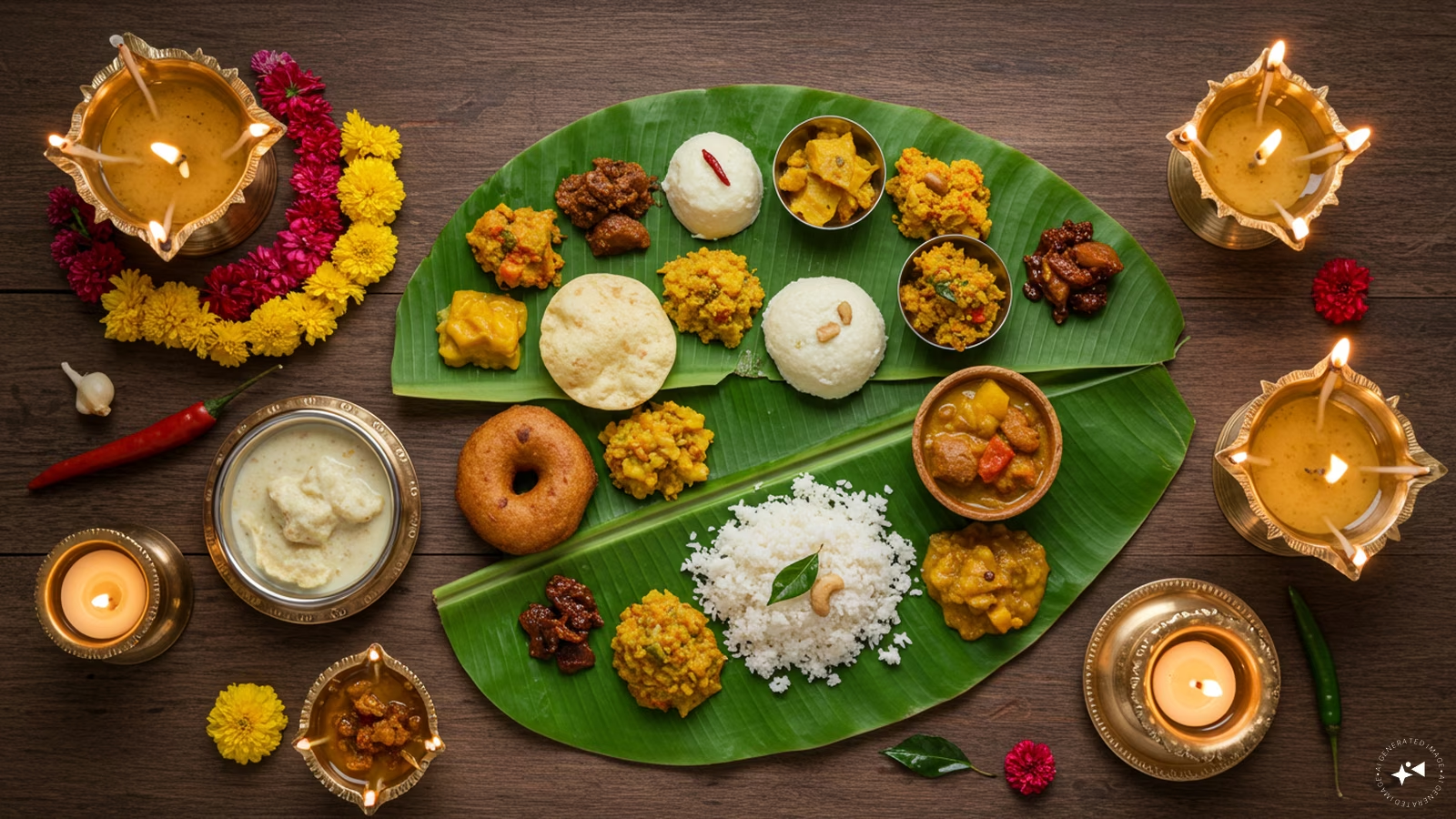
The Puthandu feast, served on a banana leaf
Spiritual and Emotional Significance
At its core, Puthandu is a festival of introspection and renewal. It encourages individuals to reflect on the past year—its successes, challenges, and lessons—and to set intentions for the year ahead. This period of reflection is not limited to personal growth. It extends to relationships, community, and one’s role in society. Families come together, differences are set aside, and a sense of unity is fostered. The festival also emphasizes gratitude—towards nature, for providing sustenance; towards elders, for their guidance; and towards the divine, for blessings and protection. In a fast-paced modern world, Puthandu serves as a gentle reminder to pause, reflect, and reconnect with one’s roots.
A Festival Beyond Borders
While Puthandu is most prominently celebrated in Tamil Nadu, its significance extends far beyond geographical boundaries. Tamil communities in countries such as Sri Lanka, Malaysia, Singapore, and even parts of Europe and North America celebrate the festival with equal enthusiasm. In these regions, Puthandu becomes a way to preserve cultural identity and pass traditions on to future generations. Community events, temple gatherings, and cultural performances bring people together, creating a sense of belonging and continuity. Despite differences in location, the essence of the festival remains universal—celebrating new beginnings, honoring traditions, and embracing life with optimism.
The Timeless Relevance of Puthandu
In today’s rapidly changing world, festivals like Puthandu hold immense relevance. They provide a sense of stability and continuity, connecting individuals to their heritage and cultural roots. The values embedded in Puthandu—gratitude, balance, renewal, and community—are timeless. They transcend generations and remain relevant regardless of changing lifestyles. Moreover, the festival’s alignment with nature serves as a powerful reminder of the importance of sustainability and environmental consciousness. The use of natural materials, seasonal foods, and eco-friendly practices reflects a way of life that is both mindful and harmonious.
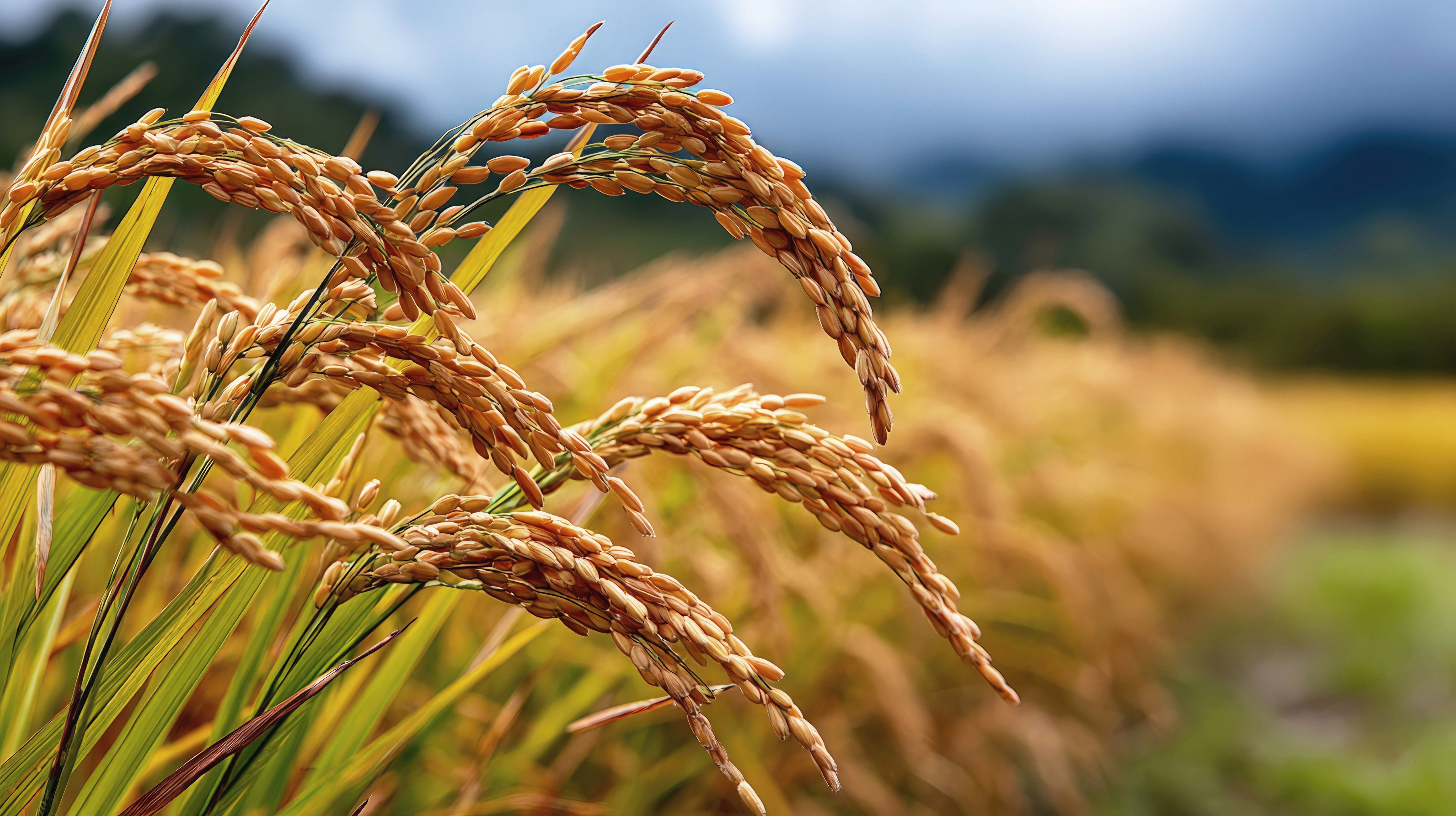
A season of renewal — golden paddy before the harvest
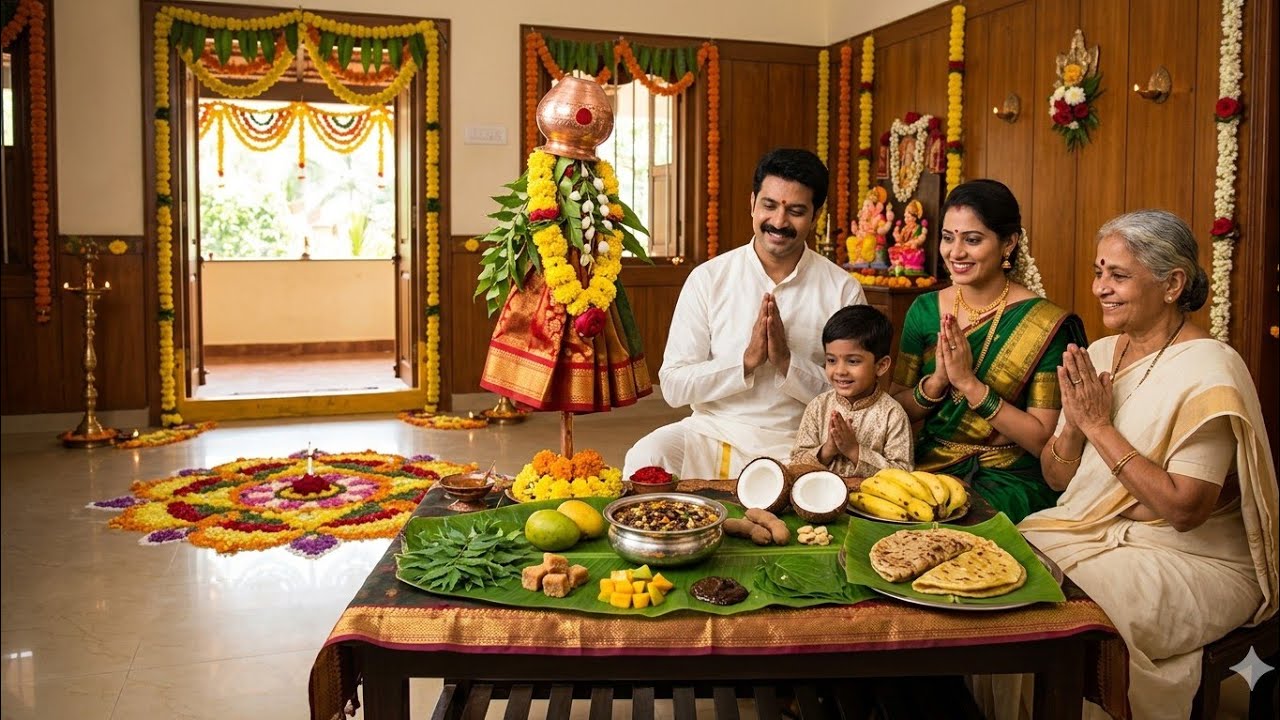
Three generations share the New Year meal
Puthandu is not just the beginning of a new year—it is a celebration of life in all its complexity and beauty. It is a day that brings together tradition and modernity, spirituality and festivity, individual reflection and collective joy. As the sun enters Mesha Rashi and the Tamil month of Chithirai begins, a new chapter unfolds. It is a time to let go of the past, embrace the present, and look forward to the future with hope and determination. Whether through the vibrant Kolam at the doorstep, the symbolic flavors of mango pachadi, the blessings of elders, or the prayers offered in temples, every aspect of Puthandu carries meaning and significance. In 2026, as Tamil communities around the world come together to celebrate this auspicious occasion on April 14, the spirit of Puthandu will once again remind us of the beauty of beginnings, the strength of tradition, and the enduring power of hope.
Puthandu Vazthukal!