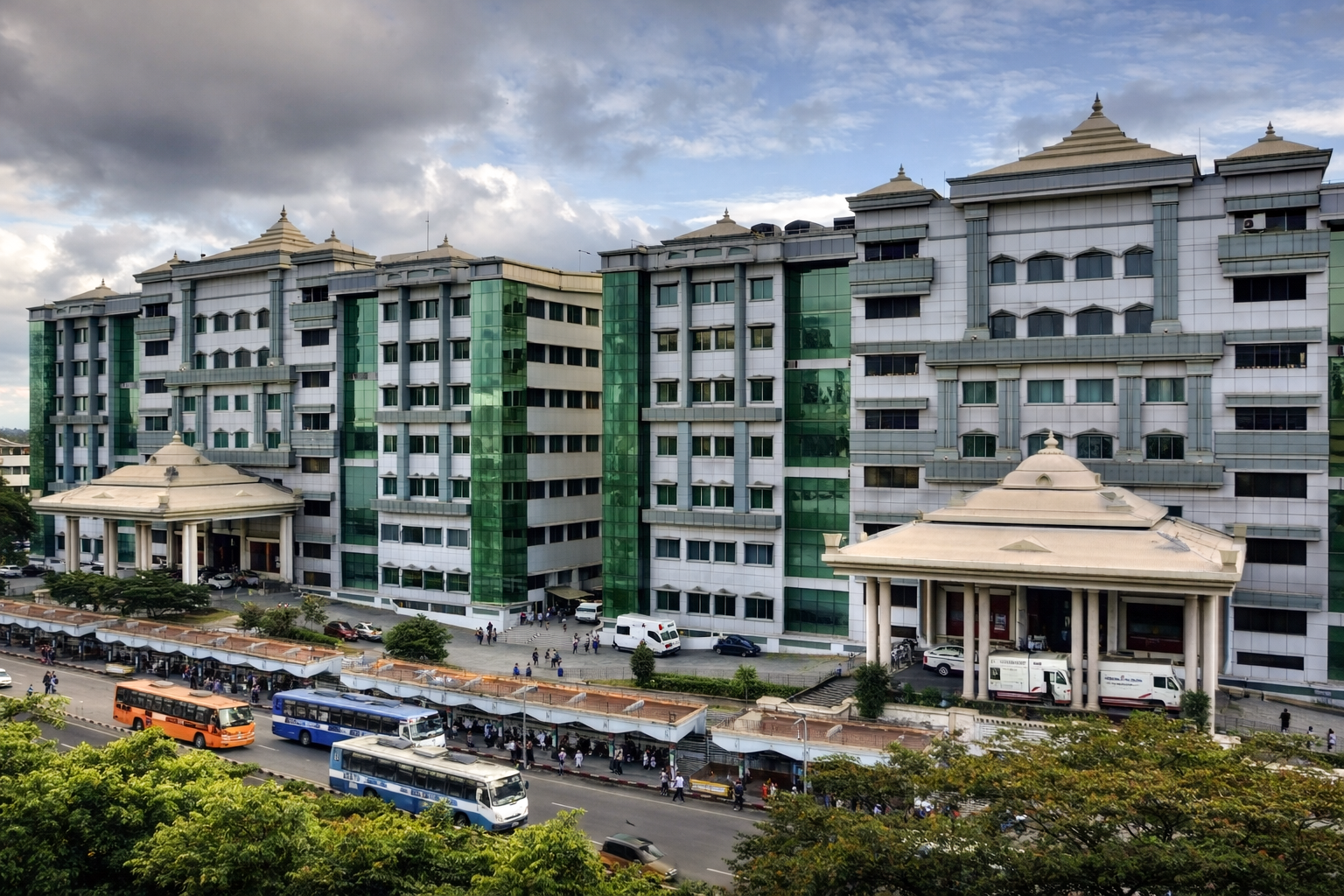
Over the decades, the hospital has continuously expanded its capacity and infrastructure to meet rising healthcare demands. Today, RGGGH is a multi-specialty hospital with over 2,500 beds and a wide range of specialized departments, including neurology, cardiology, oncology, orthopedics, pediatrics, and many more. Its sprawling campus houses modern operation theatres, intensive care units, diagnostic laboratories, imaging centres, and extensive outpatient facilities. The hospital has steadily upgraded its facilities with advanced equipment such as MRI and CT scanners, fully automated laboratories, and specialized pediatric and geriatric care units, ensuring that patients in the public healthcare system receive treatment comparable to that available in leading private institutions. A major milestone in this journey came in December 2025, when RGGGH unveiled a significant diagnostic infrastructure upgrade. Catering to thousands of patients daily, the hospital has long faced increasing demand for advanced diagnostic services, particularly for neurological, musculoskeletal, and vascular conditions. Recognizing this growing need, the hospital introduced world-class technology into its public healthcare framework, making critical diagnostic services more accessible to economically disadvantaged patients and reinforcing its role as a leader in government healthcare delivery.
On 3 December 2025, the hospital inaugurated two state-of-the-art diagnostic systems that marked a turning point in its diagnostic capabilities. The first was a 1.5-Tesla MRI scanner, installed at a cost of ₹12 crore, capable of producing high-resolution images of the brain, spine, internal organs, and musculoskeletal system. This advanced scanner enables earlier and more precise diagnosis, improving the chances of successful treatment while reducing delays in critical care. Alongside this, the hospital also introduced an automated peripheral vascular diagnostic system costing ₹35.95 lakh, which allows comprehensive evaluation of blood vessels and circulatory health. This system helps in the efficient detection of conditions such as arterial blockages and venous disorders, further strengthening the hospital’s ability to manage complex vascular cases.
These technological upgrades are part of RGGGH’s broader vision to integrate modern medical technology into public healthcare, ensuring that patients receive the same quality of diagnostics available in private hospitals, but at affordable government-supported costs. The impact on patient care has been substantial. Faster and more accurate diagnoses now allow doctors to identify complex conditions such as brain disorders, spinal injuries, and vascular complications at much earlier stages. At the same time, government pricing ensures that low-income patients are not excluded from benefiting from cutting-edge diagnostic tools. With diagnostics, surgical treatment, and post-treatment care available under one roof, RGGGH offers a comprehensive healthcare ecosystem that significantly improves outcomes for patients suffering from serious or chronic illnesses. This expansion also helps reduce the pressure on private hospitals and diagnostic centres, reinforcing the idea that quality healthcare should be a right rather than a privilege.
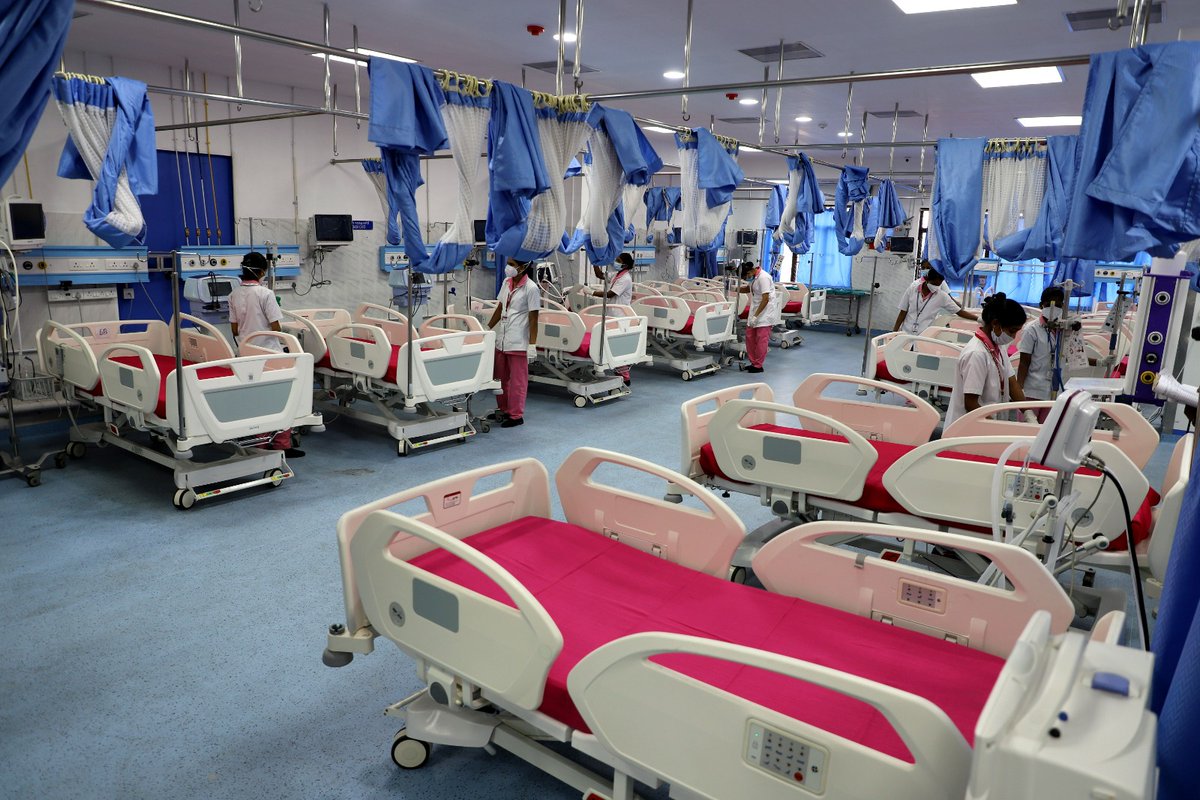
Modern intensive-care wards serving thousands each day
The December 2025 upgrade is not an isolated development but part of a wider modernization strategy at the hospital. In the same year, RGGGH established a Teen Clinic and a Diabetes Centre of Excellence, both aimed at addressing specific and growing healthcare needs. The Teen Clinic focuses on adolescent health, while the Diabetes Centre of Excellence provides specialized treatment, education, and preventive care for one of the most widespread chronic conditions in the region. In addition, a new Neurology Department building is currently under construction, which, once completed, will further strengthen the hospital’s capacity to handle complex neurological cases. By integrating these specialized departments with advanced diagnostic services, RGGGH is steadily moving toward a holistic healthcare model that emphasizes prevention, treatment, and rehabilitation. Beyond infrastructure and technology, RGGGH plays a vital role in community health and outreach. The hospital treats thousands of inpatients and outpatients every day, many of whom come from rural areas where access to advanced medical facilities is limited. In addition to direct treatment, the hospital conducts health awareness programs, free medical camps, vaccination drives, and preventive care initiatives, ensuring that healthcare services reach all sections of society. This community-focused approach strengthens public trust in government healthcare and expands the hospital’s impact beyond its campus. RGGGH also holds a crucial position in medical education and research. As a teaching hospital affiliated with Madras Medical College, it plays a central role in training future doctors, nurses, and allied health professionals. The institution is actively involved in clinical research, trials, and collaborations with national and international bodies, contributing not only to patient care but also to the advancement of medical science and healthcare policy in India.
Over the years, the hospital has received recognition for its scale, service, and commitment to public health. It is regarded as one of the largest government hospitals in South India and has earned government acknowledgment for its advanced diagnostic facilities and patient-centric programs. The institution regularly hosts medical conferences and workshops, showcasing innovation in public healthcare, and it plays a critical role during public health emergencies, including epidemic responses and disaster management efforts.
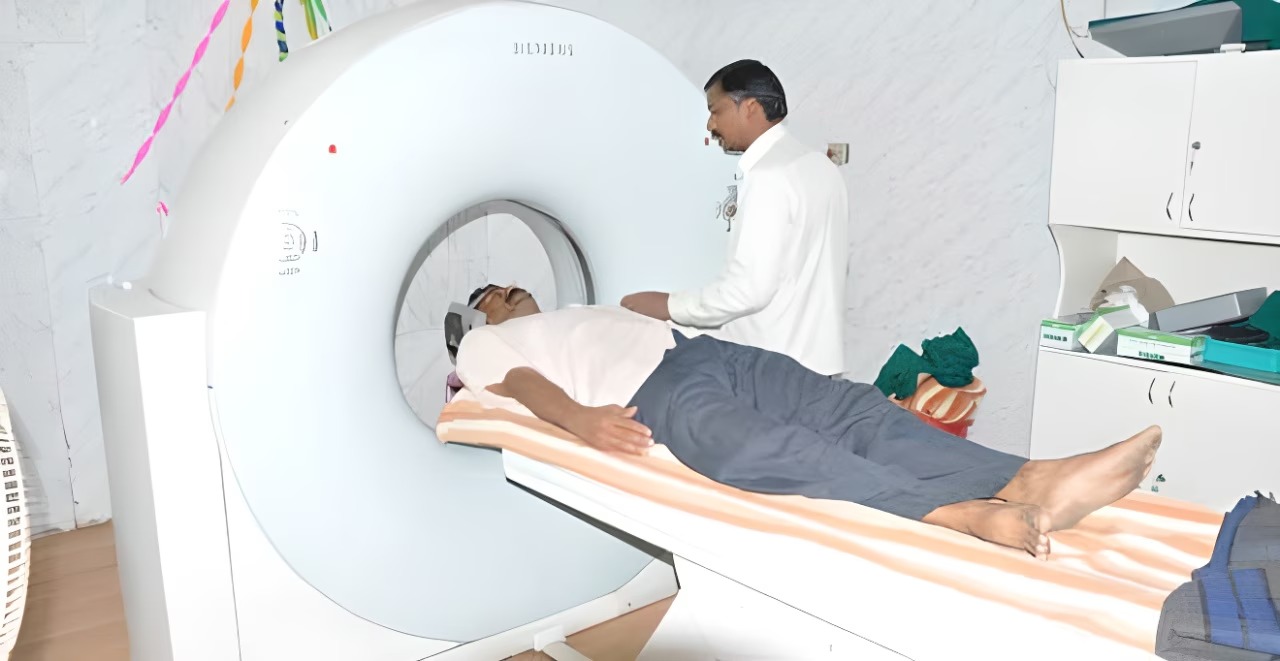
Advanced imaging — a patient undergoing a CT scan
Despite its achievements, RGGGH continues to face challenges common to large public hospitals, including overcrowding, infrastructure maintenance, and the need for more specialized staff. To address these issues, the hospital has planned further expansion of departments, the addition of more high-tech equipment, and improvements in outpatient services. Its long-term vision is to remain at the forefront of public healthcare in India by successfully balancing accessibility with technological advancement.
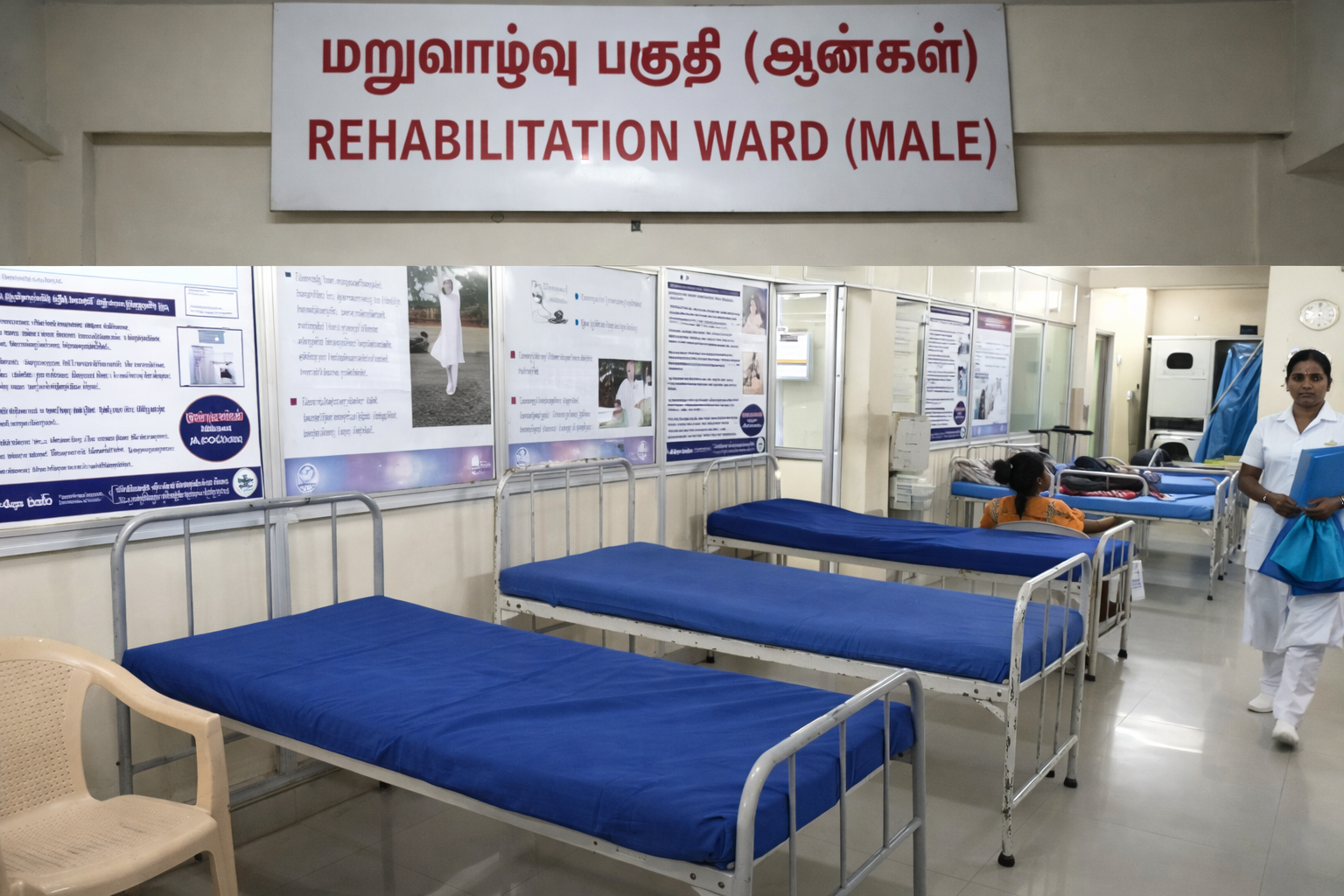
The hospital's rehabilitation ward
The social impact of the December 2025 diagnostic upgrade has been particularly significant. For rural and low-income communities, access to high-end diagnostic services within a government hospital reduces travel costs and waiting times while improving outcomes for conditions that require timely intervention. Health authorities have emphasized that these facilities will especially benefit patients with neurological disorders, spinal injuries, chronic vascular problems, and other complex illnesses. At a broader level, this initiative helps reduce the burden on private healthcare systems and strengthens public confidence in government hospitals.
However, to ensure sustained success, several factors remain crucial. Advanced MRI and vascular diagnostic systems require highly trained radiologists and technicians, making continuous training essential for optimal use. Regular maintenance is also critical to keep the equipment reliable and fully operational. Given the high demand, efficient patient management through proper scheduling, triage, and prioritization will be necessary to ensure equitable access. Public awareness campaigns will also play an important role in informing patients across Chennai and neighboring districts about the availability of these upgraded services. If managed effectively, these developments could set a benchmark for government hospitals across the country.
Attached to Madras Medical College, founded in 1835
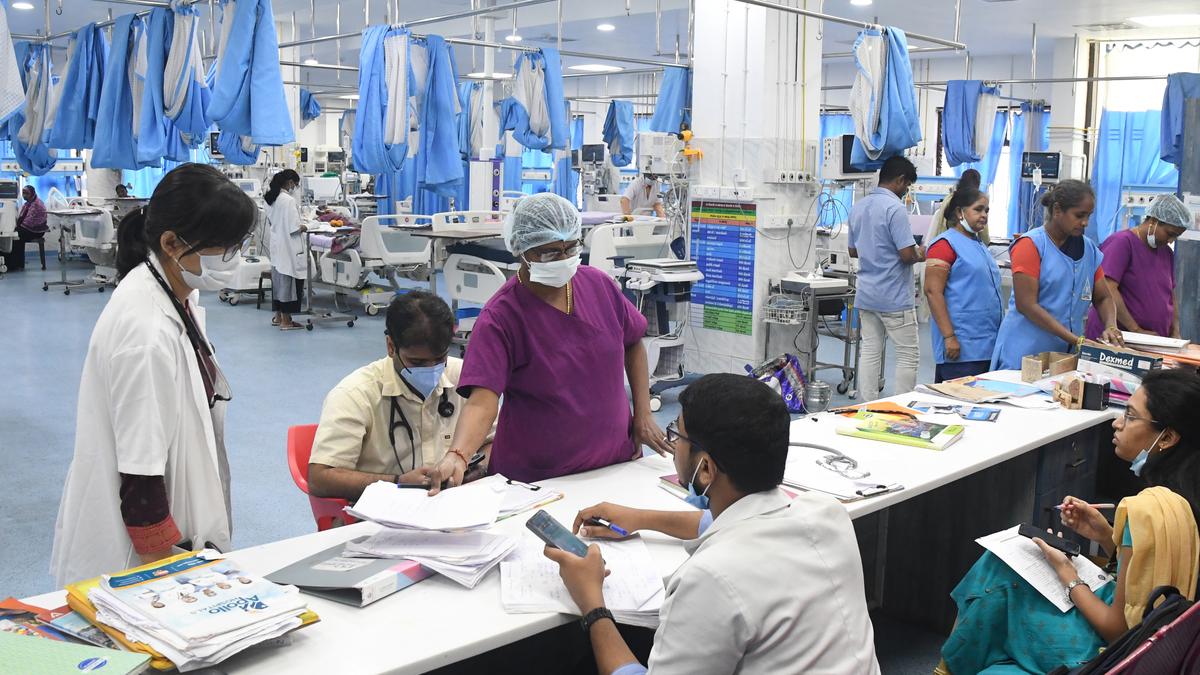
Doctors and staff at a patient consultation
In many ways, the December 2025 upgrades mark a decisive leap toward inclusive healthcare in Tamil Nadu. By combining advanced diagnostics, specialized clinics, integrated patient care, education, and research, Rajiv Gandhi Government General Hospital not only improves medical outcomes but also bridges the gap between cutting-edge technology and accessible public healthcare. More than just a medical institution, RGGGH stands as a symbol of public service, resilience, and innovation. Its enduring legacy ensures that generations of patients across Chennai and Tamil Nadu can continue to rely on compassionate, high-quality, and affordable medical care—proving that government hospitals can indeed lead the way in delivering world-class healthcare for all.