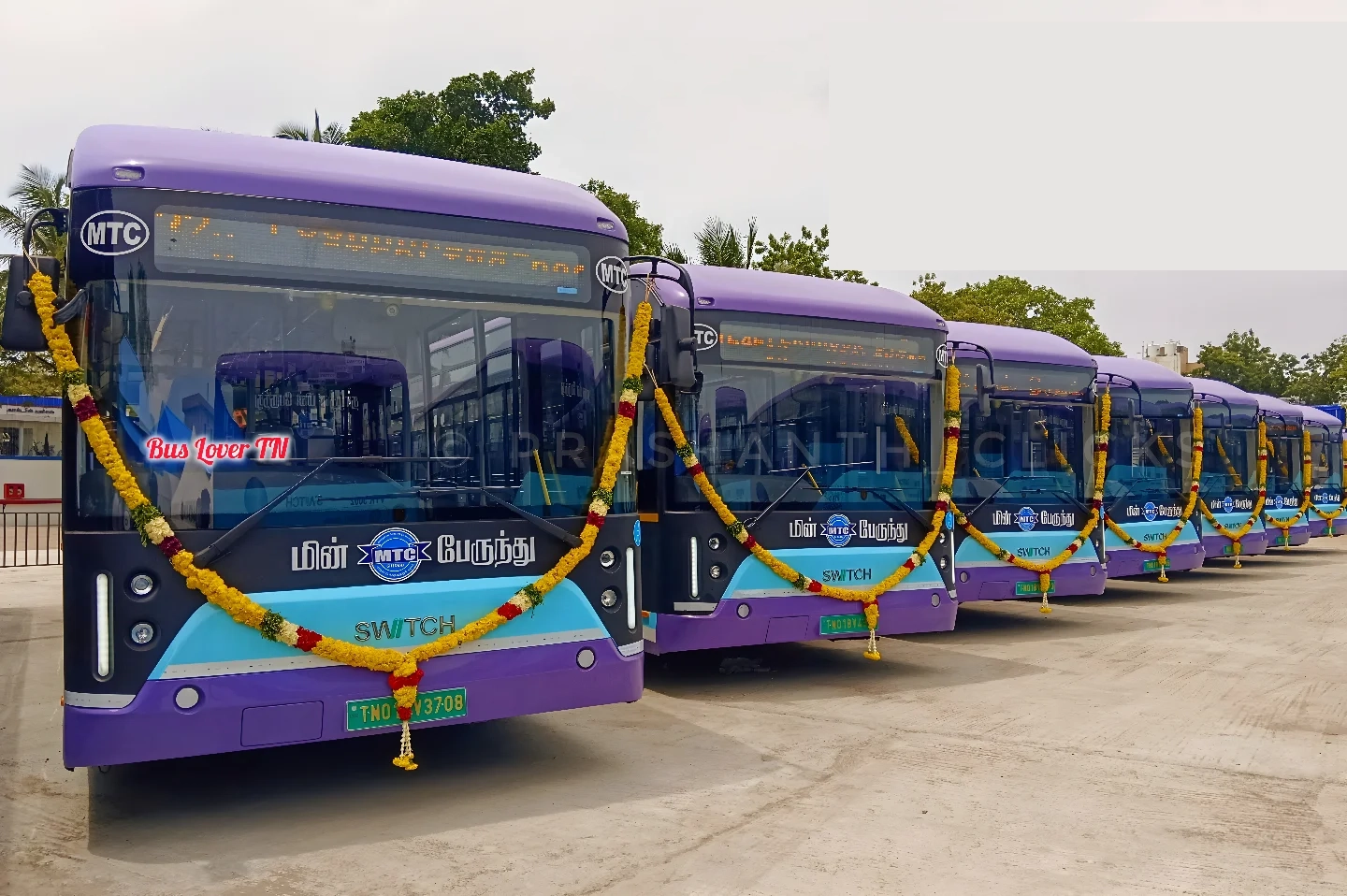
Phase-Wise Electric Bus Rollout
The electrification initiative began with the deployment of 120 low-floor non-air-conditioned electric buses in Chennai, marking the first-ever e-bus fleet operated by a state-run transport corporation in Tamil Nadu. Following the initial success, an additional 135 electric buses — including 55 air-conditioned units — were rolled out from the Perumbakkam depot. The state government plans a multi-phase expansion, aiming for 625 electric buses in Chennai by 2026. Subsequent depots such as Vyasarpadi, Poonamallee, and Koyambedu are scheduled to house additional e-buses, ensuring wider coverage across the metropolitan region.
State Policies Driving Adoption
Tamil Nadu’s electrification strategy is strongly supported by policy incentives. Under the current EV framework, electric buses enjoy full road-tax exemption, permit fee waivers, and priority depot allocation. These measures significantly reduce operational costs and encourage state-run operators to adopt e-buses over conventional diesel fleets. Government support also includes infrastructure investments — upgrading depots with charging stations, implementing fast-charging solutions, and integrating renewable energy sources to power operations.
Environmental and Social Benefits
Electrifying public transport addresses two critical urban challenges:
Air Pollution Reduction – Replacing diesel buses with electric alternatives cuts down CO₂ emissions and particulate matter, directly improving air quality in Chennai.
Noise Pollution Mitigation – Electric buses operate quietly, reducing urban noise levels and creating a more commuter-friendly environment.
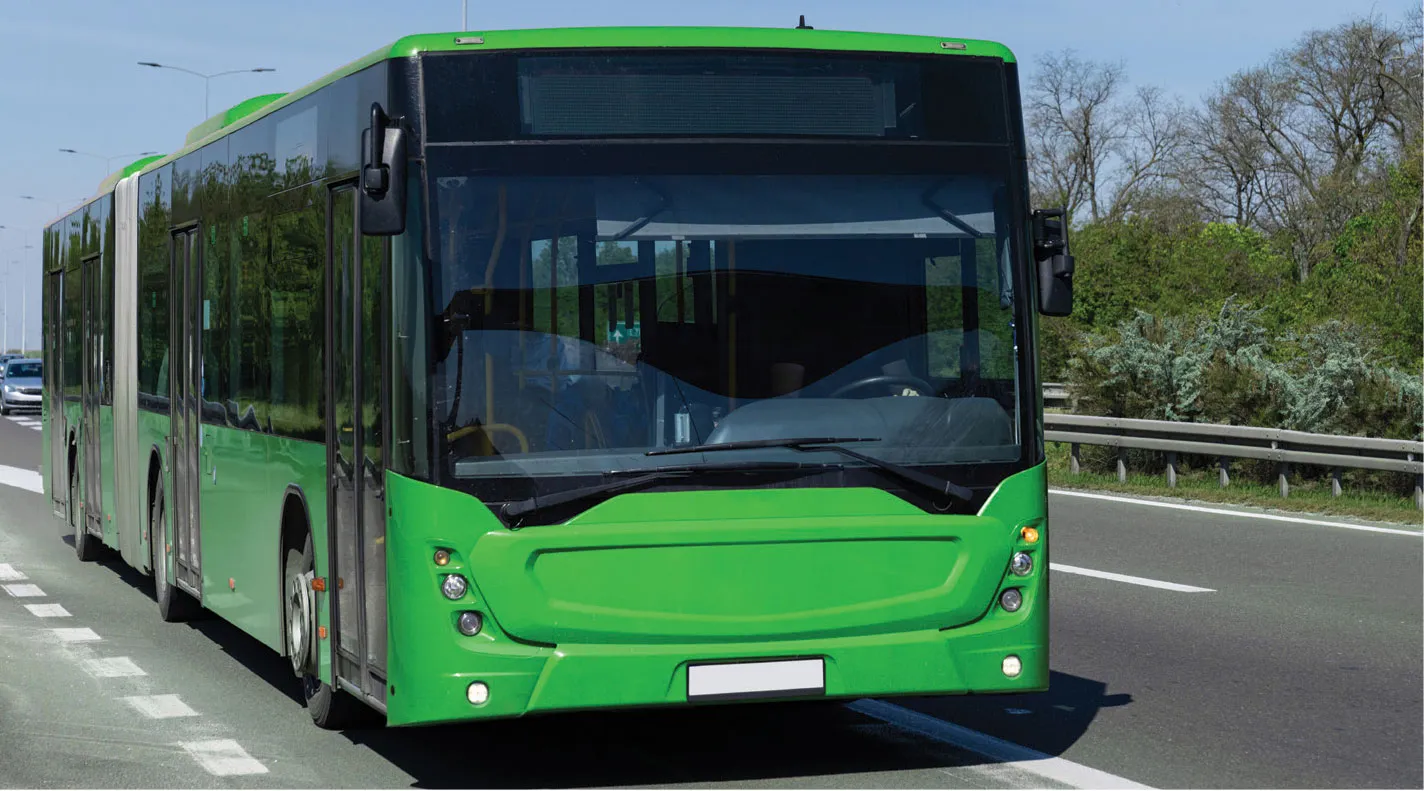
A zero-emission city bus in service
Moreover, modern e-buses feature low-floor designs, disabled-friendly access, and enhanced seating comfort, improving the overall commuter experience.
Challenges and Solutions
While the initiative is promising, several challenges must be addressed:
- Charging Infrastructure – Ensuring sufficient and reliable charging stations at depots is critical for uninterrupted service. Tamil Nadu has set a target of 2,000 public charging stations by March 2026.
Operational Efficiency – Electric buses require monitoring for battery health, route planning, and maintenance schedules. The MTC is implementing digital fleet management systems to optimize usage.
Public Awareness – Encouraging commuters to shift from private vehicles to e-buses is essential for maximizing environmental benefits. Awareness campaigns and incentives for daily commuters are being rolled out.
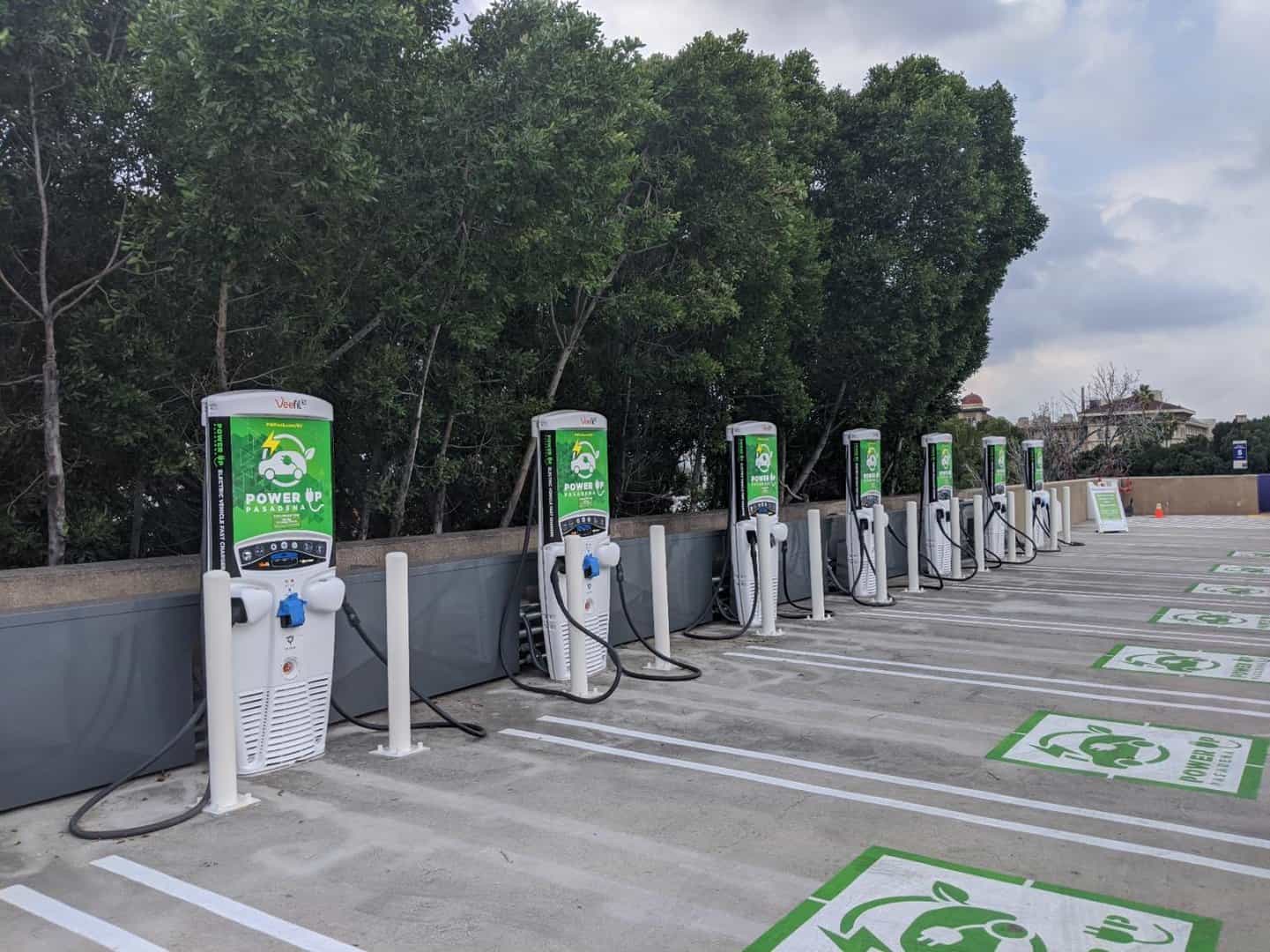
Charging infrastructure powering the transition
Tamil Nadu’s electrification efforts extend beyond Chennai. Other cities like Madurai, Coimbatore, and Trichy are preparing for similar green transport initiatives. The goal is to create a statewide network of electric public transport, integrating buses, e-autos, and last-mile connectivity solutions. This initiative aligns with India’s Net-Zero 2070 commitments and demonstrates how state-level policy, technology adoption, and citizen participation can converge to create sustainable urban mobility. Tamil Nadu’s Public Transport Electrification program is a model for other Indian states and developing nations. By combining policy incentives, technological innovation, and environmental consciousness, the state is not only modernizing its public transport system but also paving the way for a greener, cleaner, and more sustainable future. With hundreds of electric buses already on the streets and thousands more planned, the city is witnessing a quiet revolution — one that promises to transform urban commuting, improve public health, and showcase the potential of sustainable mobility in India.
Public Transport Electrification in Tamil Nadu: Paving the Way for Green Mobility
Tamil Nadu is witnessing rapid urbanization, rising traffic congestion, and increasing air pollution. Cities like Chennai, Coimbatore, and Madurai face heavy vehicular emissions that impact public health and the environment. To tackle these challenges, the state has launched an ambitious public transport electrification program, focusing on replacing diesel buses with electric buses. This initiative aligns with India’s national EV policies and global climate commitments, aiming to create a sustainable and efficient urban transport system.
Phase-wise Electric Bus Deployment
The electrification effort began with 120 low-floor non-air-conditioned electric buses in Chennai, marking the first state-run e-bus fleet in Tamil Nadu. Following this success, 135 additional buses, including 55 air-conditioned units, were introduced from the Perumbakkam depot. The state plans to deploy 625 electric buses by 2026, gradually covering all major city routes. Further depots at Vyasarpadi, Poonamallee, and Koyambedu will house additional e-buses, ensuring widespread coverage. The phased rollout allows smooth integration with existing diesel and CNG fleets.
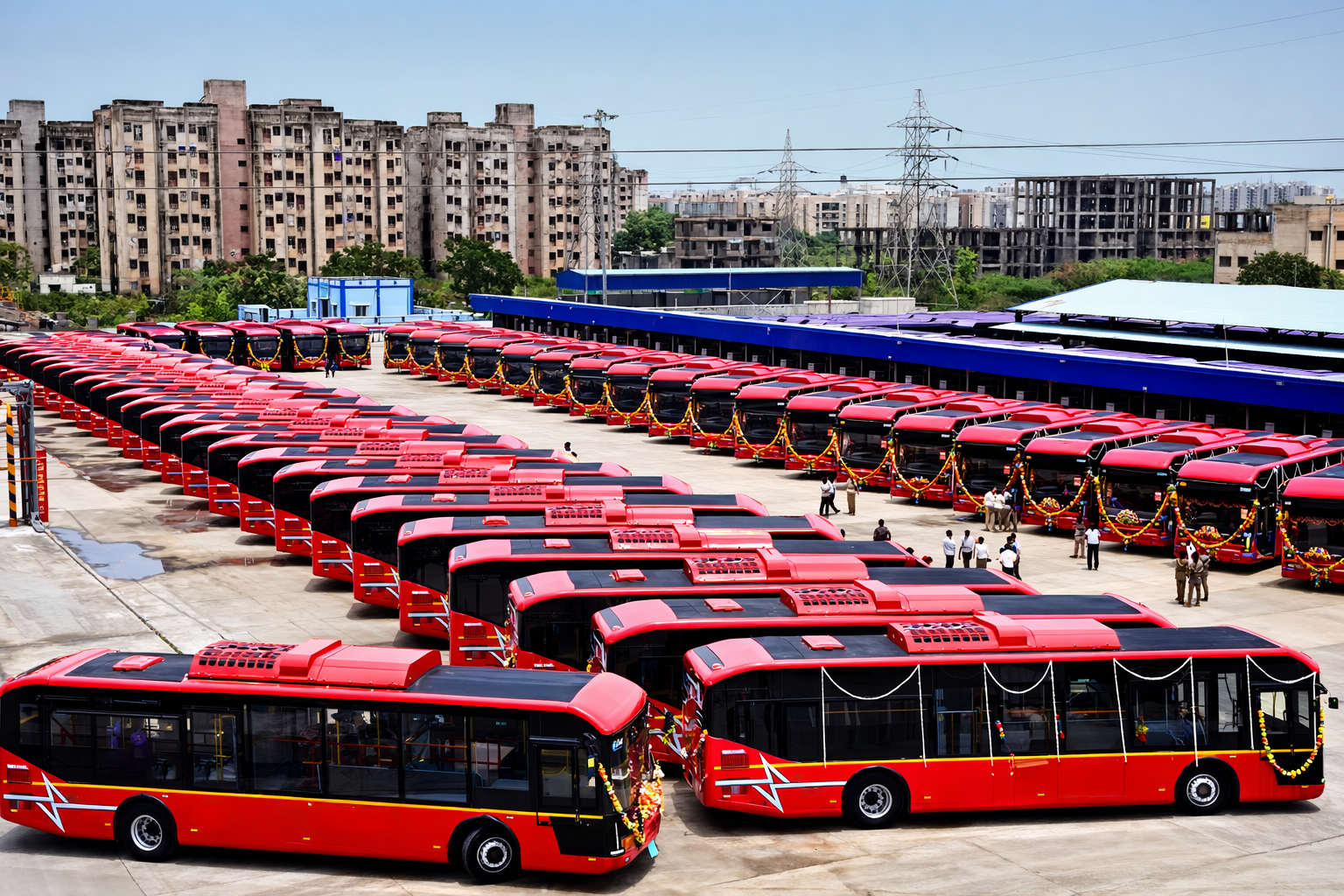
Fleets of electric buses lined up for deployment
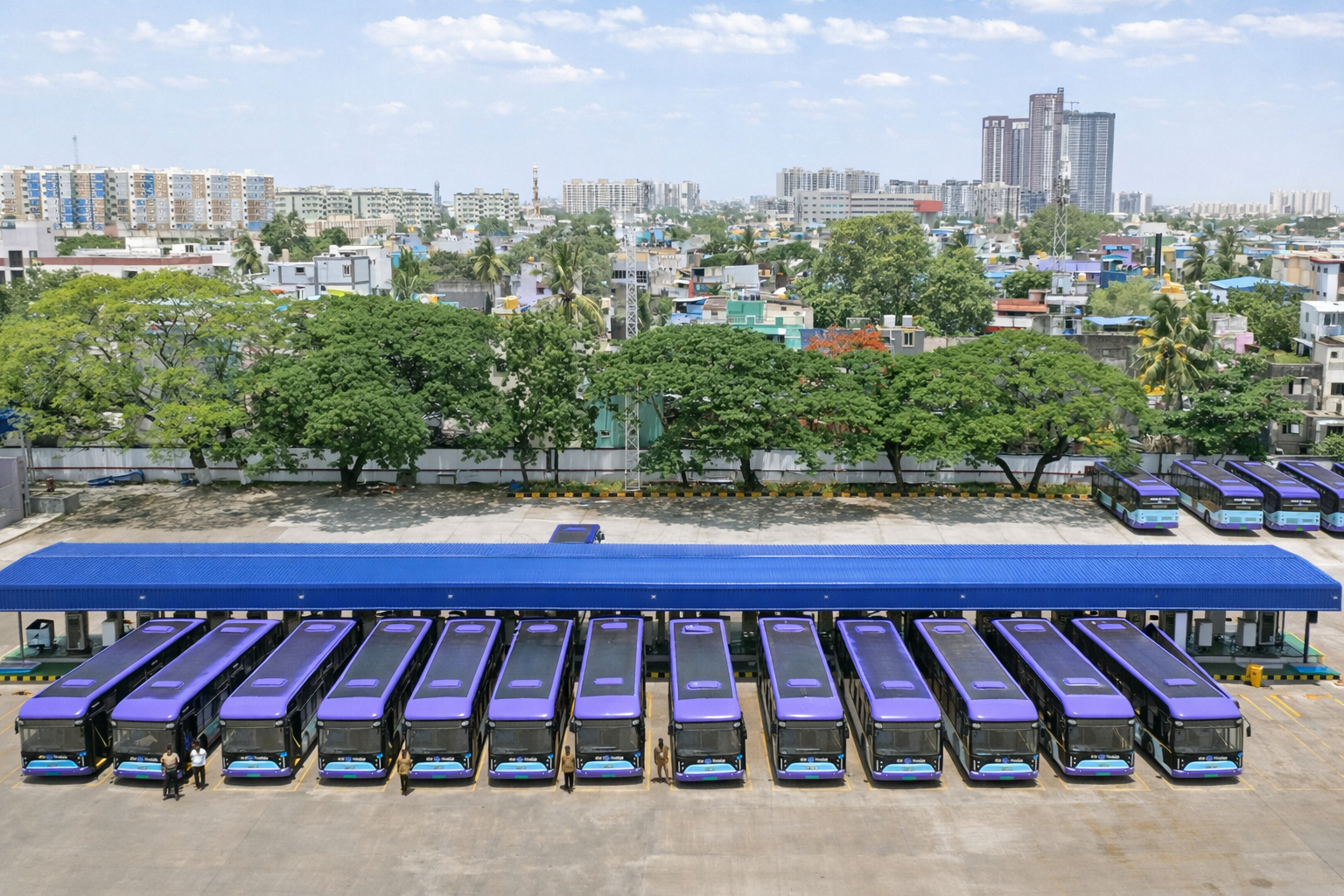
A modern depot for the growing EV fleet
Technology and Charging Infrastructure
Electric buses in Tamil Nadu use lithium-ion batteries with a typical range of 200–250 km per charge. Depots are equipped with fast chargers to ensure continuous operations, while some chargers use solar power to reduce grid dependency. The MTC has implemented digital fleet management systems to monitor battery health, route efficiency, and schedules. With fewer moving parts than diesel buses, e-buses require lower maintenance, improving operational efficiency and reducing long-term costs.
Policy Support and Incentives
Tamil Nadu’s government has provided comprehensive policy support to accelerate public transport electrification. Electric buses benefit from full road-tax exemptions, registration fee waivers, and priority depot allocation. Subsidies for local manufacturers and incentives for adopting EV technology reduce operational costs and encourage fleet expansion. Policy alignment ensures that electrification is not just a pilot initiative but a scalable, long-term solution.
Environmental and Social Benefits
Electrifying public transport significantly reduces CO₂ emissions and particulate pollution, contributing to improved air quality. Electric buses operate quietly, reducing urban noise pollution. Modern buses feature low-floor designs for easier boarding, disabled-friendly access, and comfortable seating, enhancing the commuter experience. Cleaner air and improved mobility directly benefit public health and encourage citizens to use public transport over private vehicles.
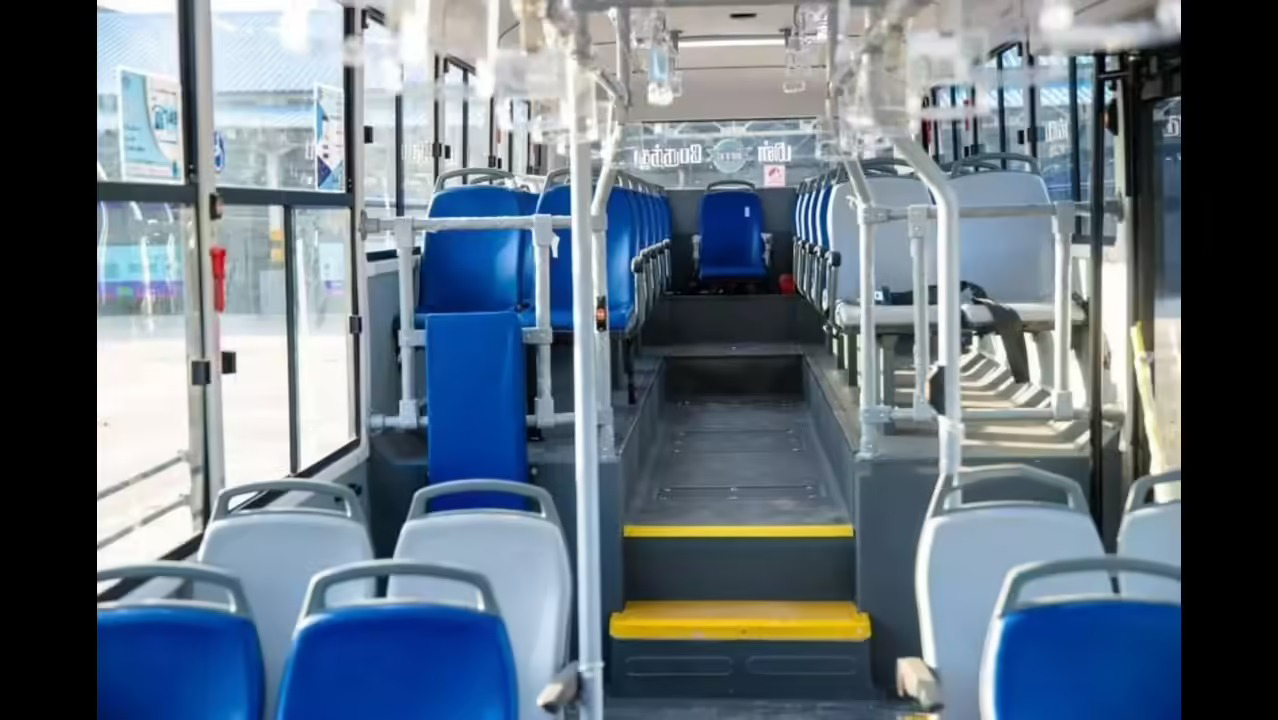
Cleaner, quieter, more comfortable journeys
Despite its benefits, electrification faces several challenges. Adequate charging infrastructure is critical, particularly in semi-urban and suburban areas. Battery lifecycle management and recycling must be addressed for sustainability. Drivers and maintenance staff require specialized training, and the high upfront cost of buses remains a barrier, even with subsidies. To overcome these, Tamil Nadu is investing in renewable-powered chargers, advanced training programs, and digital monitoring systems to optimize fleet operations.
Tamil Nadu aims to expand electrification beyond Chennai to cities like Madurai, Trichy, and Coimbatore by 2026. Plans include smart mobility solutions, integrating e-buses with e-autos for last-mile connectivity. The state continues to invest in charging infrastructure, fleet expansion, and policy incentives, aiming to establish a statewide sustainable transport network. This aligns with India’s climate goals and demonstrates the potential of technology-driven, environmentally conscious urban mobility.
A Sustainable Transformation
Public transport electrification in Tamil Nadu represents more than a technological upgrade; it is a transformative approach to urban commuting. By combining policy support, advanced technology, and environmental awareness, the state is creating a modern, sustainable, and commuter-friendly transport system. With hundreds of electric buses already operational and more planned, Tamil Nadu is setting a national benchmark for green mobility and sustainable urban development.