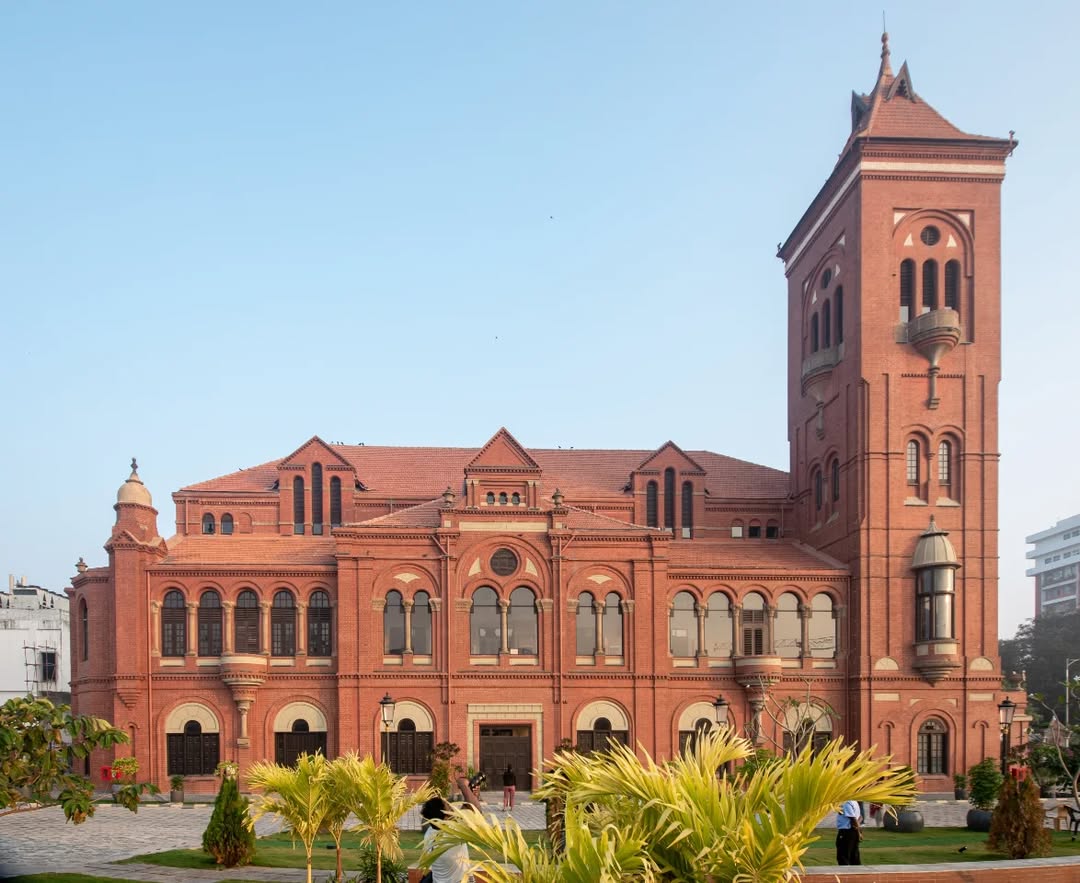
Rising with quiet authority along Poonamallee High Road, Victoria Public Hall stands as one of the most powerful reminders of Chennai’s layered history and enduring civic spirit. Completed in 1888, at a time when the city was known as Madras, the building was conceived during an era when architecture was not merely functional but deeply symbolic. Designed by the renowned architect Robert Chisholm, Victoria Public Hall embodied the Indo-Saracenic style that he helped pioneer—an architectural language that fused Indian traditions with Islamic forms and Gothic revival elements. This synthesis resulted in a structure that felt at once imperial and indigenous, formal yet welcoming, monumental yet rooted in local identity. The hall was built to commemorate the Golden Jubilee of Queen Victoria, but from the moment it opened its doors, it transcended its commemorative purpose. It quickly became one of the most important public spaces in the city, a place where citizens gathered not as subjects or spectators but as active participants in civic life. With its imposing red-brick façade, elegant arches, stained-glass windows, and distinctive clock tower, the building announced itself as a landmark of both architectural ambition and social relevance. Inside, tall teakwood ceilings amplified voices and performances, while wide verandas and galleries encouraged conversation, debate, and shared experience.
For decades, Victoria Public Hall served as a dynamic centre for political meetings, social reform movements, theatrical productions, musical performances, and public debates. In an age before auditoriums and convention centres became commonplace, this hall functioned as the city’s principal stage for collective expression. Leaders addressed citizens, artists found audiences, and ideas were tested, challenged, and refined within its walls. Generations of Chennai’s residents came to associate the hall with moments of transformation—personal, cultural, and political. It was here that the pulse of public life could be felt most strongly, making the building not just a monument of brick and timber, but a living archive of the city’s evolving identity.
Architecture as Memory and Meaning
What made Victoria Public Hall exceptional was not only its role in public life, but the architectural intelligence with which it was conceived. Robert Chisholm’s design balanced grandeur with human scale, allowing the building to command respect without alienating those who entered it. The symmetrical façade, punctuated by rhythmic arches and crowned by a clock tower, conveyed order and authority, while the intricate detailing softened its presence and invited closer engagement. The use of red brick, combined with pale stone accents and ornamental plasterwork, gave the hall a warmth that distinguished it from more austere colonial structures.
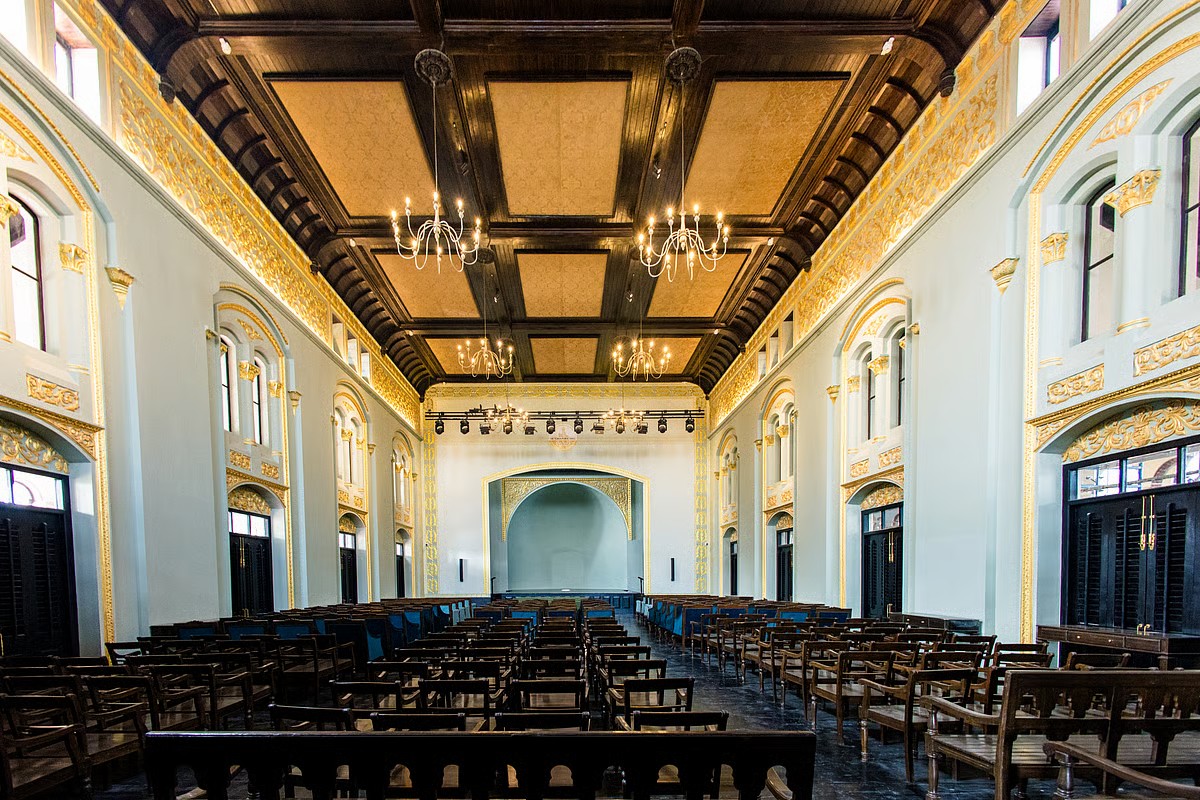
Inside, the building revealed a careful orchestration of space and light. Large halls flowed into galleries and balconies, creating visual connections between performers and audiences, speakers and listeners. The teakwood staircases, crafted with precision and restraint, added both structural strength and aesthetic richness. Stained-glass windows filtered sunlight into muted hues, lending the interiors a sense of dignity and calm. Every architectural element, from the verandas that sheltered visitors from sun and rain to the high ceilings that moderated heat, reflected a deep understanding of local climate and social usage. In this way, Victoria Public Hall was not an imported design imposed upon the city, but a thoughtful adaptation that responded to Chennai’s environment and cultural rhythms.
Decline, Neglect, and the Threat of Loss
Yet even the most admired landmarks are vulnerable to time. As decades passed, Victoria Public Hall began to suffer the cumulative effects of weather, neglect, and changing urban priorities. Monsoon rains seeped into walls and ceilings, weakening plaster and timber. The once-proud teakwood beams and balconies showed signs of rot and fatigue. Decorative elements crumbled, paint peeled, and the clock tower—so long a visual anchor for the neighbourhood—developed visible structural distress. By the late twentieth century, safety concerns forced large portions of the building to be closed.
Indo-Saracenic architecture, beautifully restored
Public events dwindled, and the hall slowly slipped out of everyday consciousness. What had once been a vibrant civic space became a silent structure, admired from a distance but rarely experienced from within. For many residents, Victoria Public Hall existed more as a memory than a living place, its significance acknowledged but its potential unrealised. The risk was no longer mere deterioration, but the possibility that the building might be lost altogether—either to irreversible damage or to the apathy that often precedes demolition.
The Decision to Restore and Reimagine
The turning point came with a growing recognition that heritage buildings are not obstacles to progress, but essential anchors of urban identity. Acknowledging the historical, architectural, and cultural value of Victoria Public Hall, the Government of Tamil Nadu initiated a comprehensive restoration project aimed at rescuing the structure from decay and restoring it to public life.
This decision marked not only an investment in a single building, but a broader commitment to preserving Chennai’s architectural legacy. From the outset, the restoration was guided by the principle of authenticity. Conservation architects and historians worked together to study original drawings, photographs, and material samples, ensuring that interventions would respect the building’s original character. Structural engineers assessed the extent of damage and designed reinforcements that could be integrated without altering the hall’s visual identity. Skilled artisans, familiar with traditional construction techniques, were engaged to recreate decorative elements that had been lost or damaged beyond repair.
A landmark of colonial-era Chennai
A Restoration of Patience and Precision
The process of restoring Victoria Public Hall proved to be both complex and demanding. Strengthening the foundation and load-bearing columns was essential to ensure the building’s long-term stability, but this work had to be carried out without disturbing the historic fabric above. Decorative arches were rebuilt using heritage-grade materials carefully matched to those used in the nineteenth century. Teakwood staircases and balcony galleries were dismantled where necessary, treated for pests and decay, and reassembled with painstaking care.
Flooring damaged by decades of moisture and wear was replaced with materials selected to echo the original textures and tones. Plasterwork was repaired by hand, restoring ornamental details that had faded into obscurity. Throughout the process, modern interventions were introduced with restraint. New electrical systems, lighting, acoustics, accessibility features, and fire-safety mechanisms were integrated discreetly, ensuring that contemporary standards were met without compromising historical integrity. Climate-controlled areas were added to protect future museum exhibits, recognising that preservation is an ongoing responsibility rather than a one-time effort.
The restoration was not without setbacks. Unforeseen structural issues emerged as work progressed, increasing both costs and timelines. Sourcing traditional materials proved challenging, as did finding artisans skilled in historical techniques. Deadlines were extended, budgets revised, and plans adapted. Yet despite these obstacles, the commitment to reviving Victoria Public Hall never faltered. The most intensive phase of restoration, carried out between 2020 and 2025, ultimately brought the project to completion, setting the stage for the hall’s long-awaited reopening.
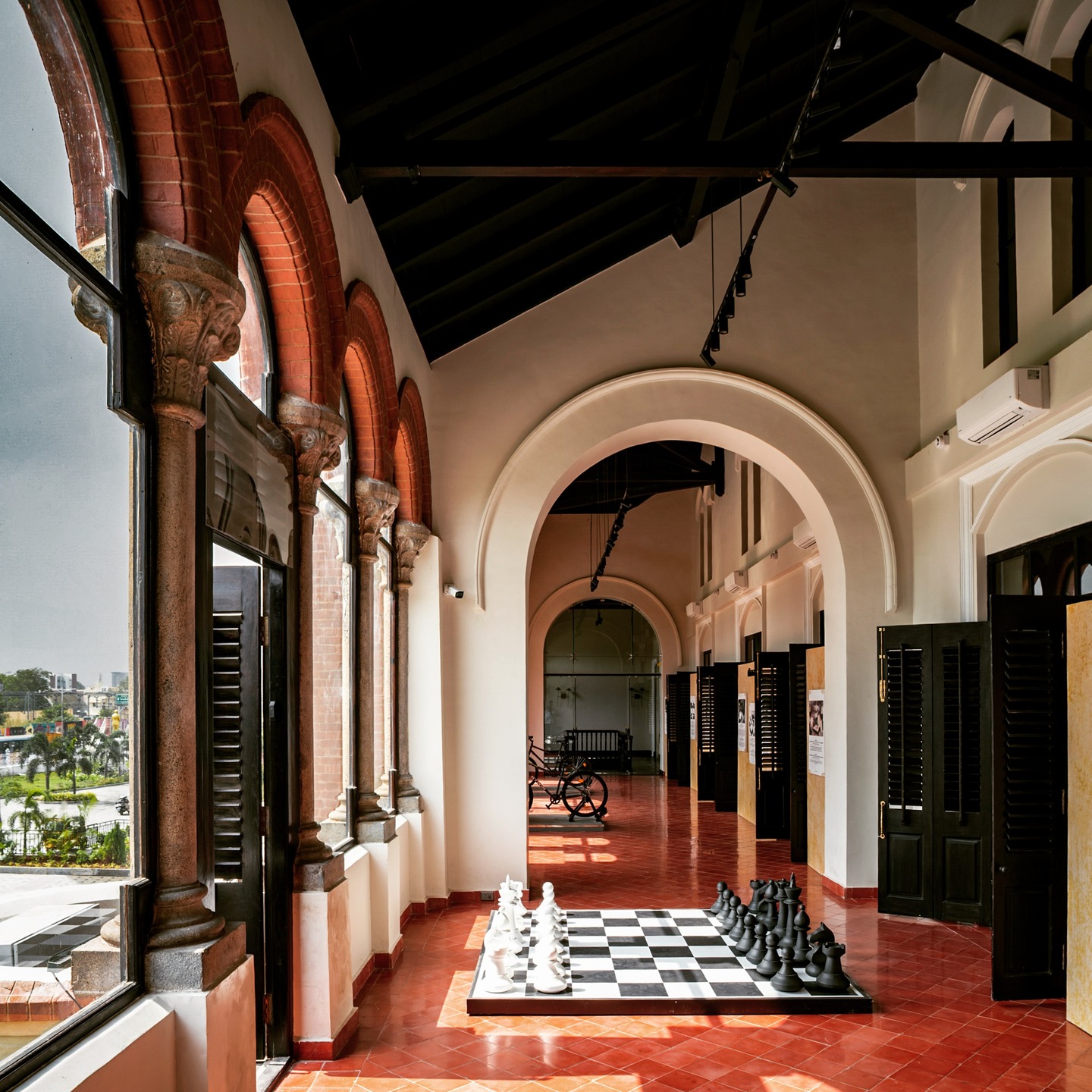
Ornate interiors and grand halls
A civic and cultural icon
Rebirth as a Cultural and Civic Destination
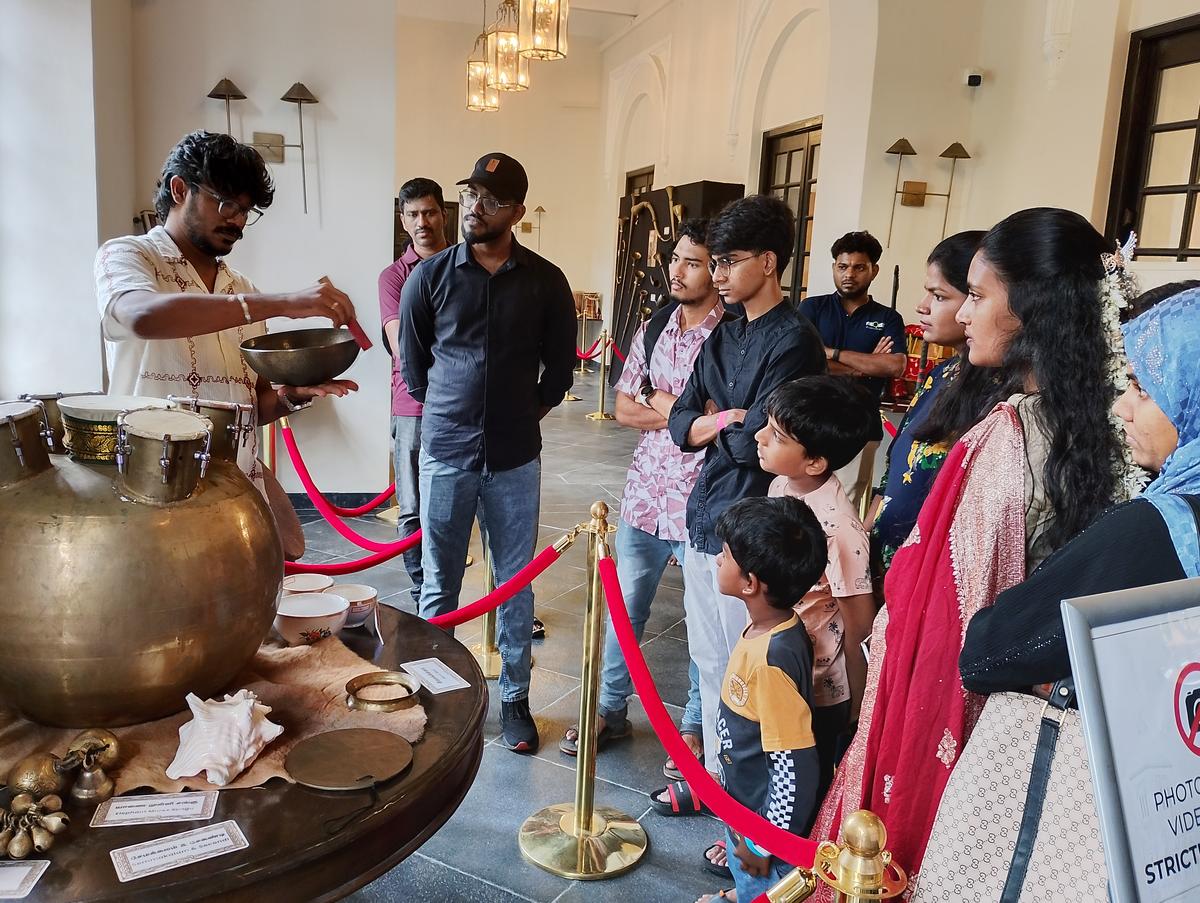
As Victoria Public Hall prepares to reopen, it does so with a renewed sense of purpose. The restored building is envisioned not merely as a preserved monument, but as a living cultural institution designed to serve the needs of contemporary Chennai. Its interiors are being transformed into a museum that will chronicle the city’s rich and complex history. Through archival photographs, colonial-era documents, civic records, and period artefacts, visitors will be invited to explore the many layers of Chennai’s past. Interactive displays and curated narratives will make this history accessible to students, tourists, researchers, and residents alike, ensuring that the hall functions as a space of learning as well as remembrance.
At the heart of the building, the grand central hall is reclaiming its historic role as a gathering place. Reimagined as a modern auditorium, it will host theatrical performances, music concerts, lectures, and cultural festivals. Improved acoustics, advanced lighting, and comfortable seating have been introduced, while original architectural elements—wooden balconies, arches, and galleries—have been carefully preserved. This balance between old and new allows the hall to function as a contemporary performance venue without sacrificing the atmosphere that made it special in the first place.
A Space for Public Life Once More
Beyond the museum and auditorium, Victoria Public Hall is set to become a hub for exhibitions, heritage walks, academic discussions, and community events. By reopening its doors to the public, the building restores a vital civic space to the city—a place where people can gather not just to observe history, but to participate in its ongoing creation. For younger generations, the hall offers a tangible connection to the past, allowing them to experience history not as an abstract concept but as a lived environment.
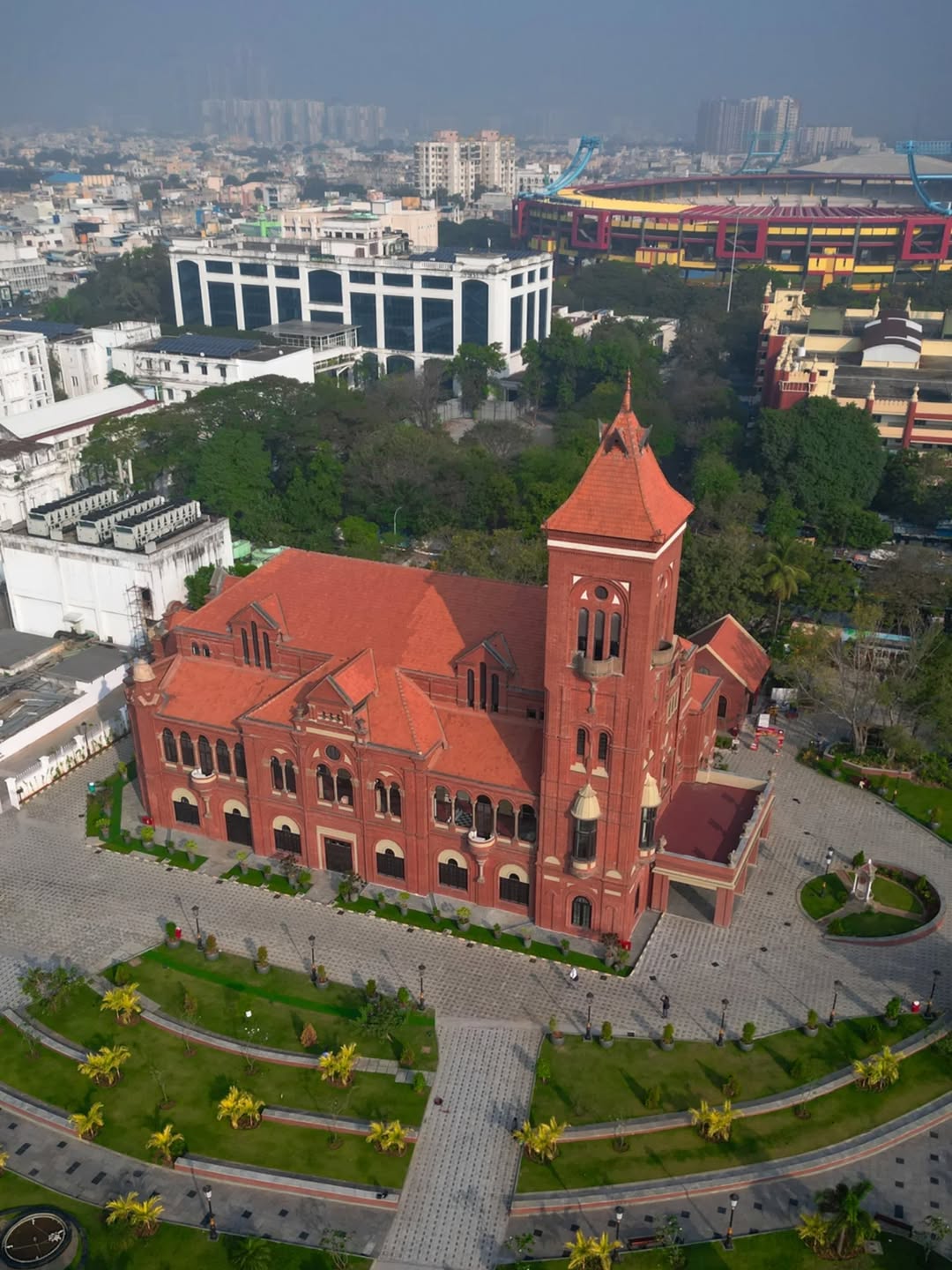
Heritage brought back to life
The revival of Victoria Public Hall carries significance far beyond its walls. It represents a renewed commitment to heritage conservation, demonstrating that historic buildings can be adapted to contemporary needs without losing their soul. It reinforces Chennai’s identity as a city that values culture, dialogue, and continuity, even as it embraces growth and change. Most importantly, it ensures that a structure once central to public life can once again fulfil that role, inspiring future generations with the same sense of possibility it offered to those who gathered there more than a century ago.
A Monument Reclaimed for the Future
Victoria Public Hall now rises once more, restored with devotion and reimagined with clarity of purpose. Its red-brick walls, elegant arches, and iconic clock tower stand not as relics of a bygone era, but as active participants in the city’s present and future. As it prepares to welcome visitors again, the hall reclaims its place as a symbol of Chennai’s resilience, creativity, and civic pride—a historic masterpiece reawakened, ready to inspire generations yet to come.