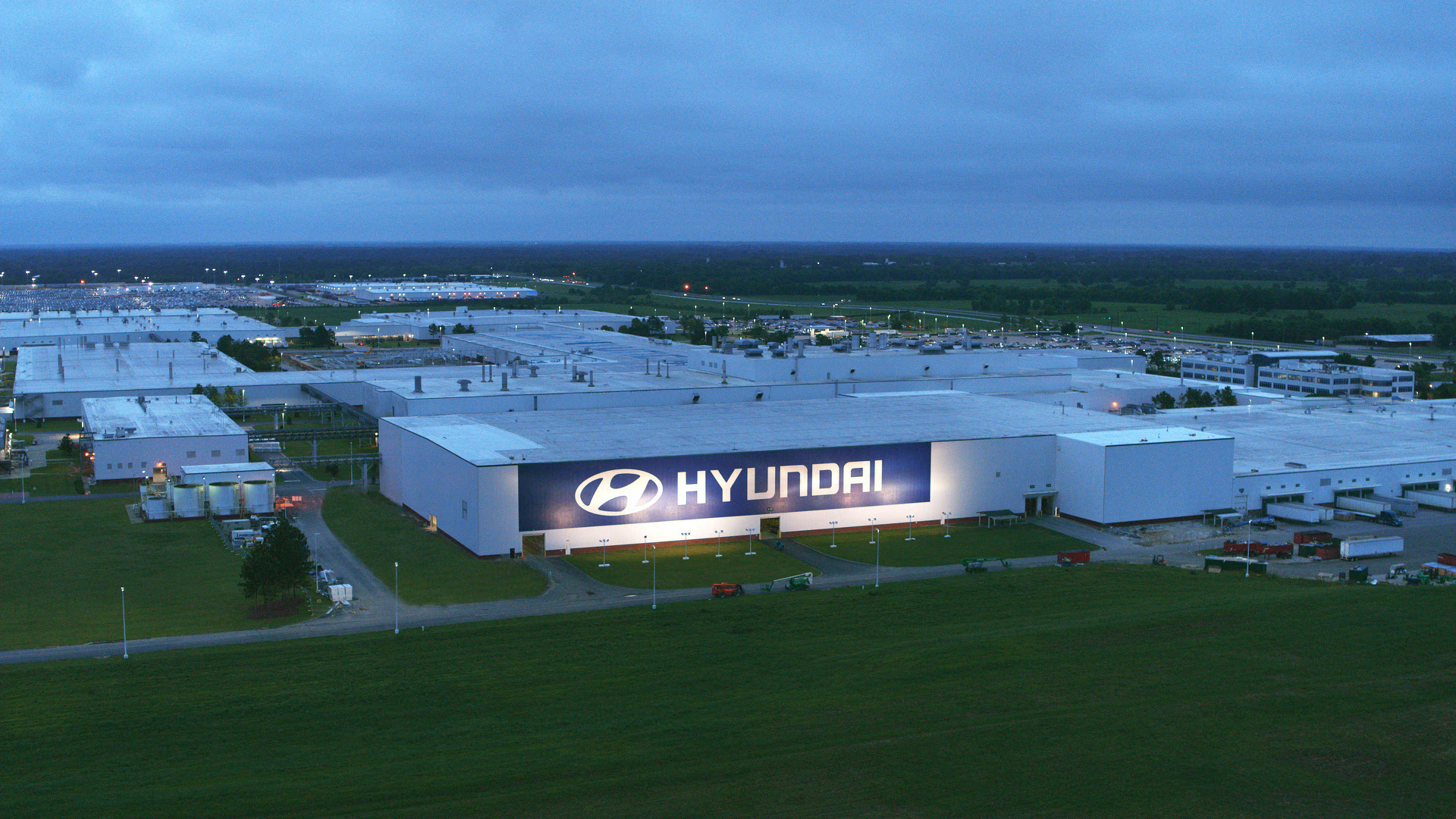
For nearly three decades, Tamil Nadu has been central to Hyundai’s success story in India. The company’s manufacturing operations near Chennai have played a crucial role in establishing India as a major automotive production and export destination. Over the years, Hyundai has transformed its Tamil Nadu facility into one of its most important global manufacturing bases, supplying vehicles not only to the domestic market but also to customers across the world. The company has exported more than 3.9 million vehicles manufactured in Tamil Nadu to over 150 countries, highlighting the state’s significance in Hyundai’s global operations. This achievement stands as a testament to the quality of manufacturing, skilled workforce, and industrial infrastructure that Tamil Nadu offers to global automotive manufacturers.
As the global automotive industry undergoes a dramatic transition toward electrification, Hyundai is positioning Tamil Nadu at the center of its future growth strategy. The company has announced that it will launch two new vehicle models from its Chennai facility, including its first dedicated mass-market electric vehicle, within the year. This move is expected to significantly accelerate electric vehicle adoption in India while supporting the development of a robust EV ecosystem. By making Tamil Nadu its flagship EV hub, Hyundai aims to strengthen local manufacturing capabilities, enhance supply chain resilience, and create an integrated ecosystem that supports the entire electric mobility value chain. The decision to anchor Hyundai’s electric mobility ambitions in Tamil Nadu is driven by several strategic advantages. The state has emerged as one of India’s leading automotive manufacturing centers, often referred to as the “Detroit of India” because of its concentration of automotive companies, suppliers, and engineering expertise. The presence of established manufacturing infrastructure, skilled manpower, world-class ports, and strong government support has created an environment conducive to large-scale industrial investments. Hyundai’s latest commitment further reinforces Tamil Nadu’s position as a preferred destination for next-generation automotive technologies and advanced manufacturing.
A key component of Hyundai’s EV strategy is the localization of critical technologies and components. The company has already established Tamil Nadu’s first battery sub-assembly plant dedicated to electric vehicle powertrains, demonstrating its commitment to building domestic capabilities in the EV sector. Battery systems are among the most critical and expensive components of electric vehicles, and localizing their production is essential for reducing costs and strengthening supply chains. Hyundai is also actively working to localize power electronics and several other key EV components, helping reduce dependence on imports while enhancing the competitiveness of domestically manufactured electric vehicles.
These efforts align closely with India’s broader objective of developing self-reliance in advanced manufacturing and clean mobility technologies. The company’s commitment to electric mobility extends beyond vehicle manufacturing. Recognizing that charging infrastructure is a crucial factor in consumer adoption of electric vehicles, Hyundai has invested significantly in creating an EV charging ecosystem across Tamil Nadu. The company has established 39 DC fast-charging stations with 78 charging points strategically distributed across major cities and transit corridors in the state. This network is designed to improve convenience for EV users while addressing concerns related to charging accessibility and range anxiety. By creating a reliable charging infrastructure, Hyundai is helping build consumer confidence in electric vehicles and encouraging broader adoption of sustainable mobility solutions.
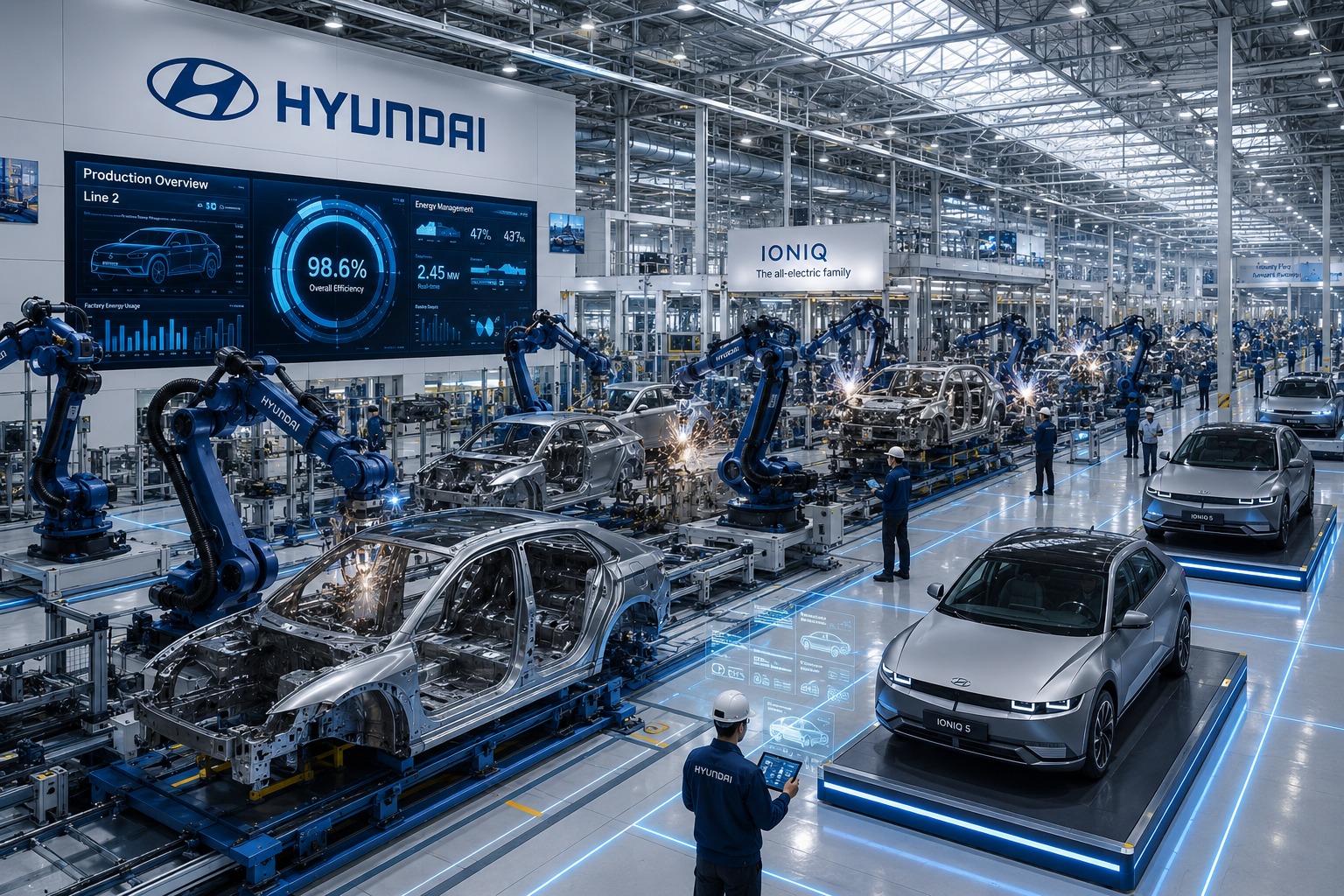
Robotic assembly lines building the next generation of EVs

The Creta Electric, made in Tamil Nadu
Looking ahead, Hyundai plans to expand its charging network substantially over the next two to three years. The company intends to strengthen coverage across key urban centers and major highways, ensuring that EV owners have access to fast and convenient charging facilities wherever they travel. This expansion will complement Hyundai’s plans to introduce more affordable electric vehicle offerings in the Indian market, creating an ecosystem where infrastructure and vehicle availability grow together. Such a comprehensive approach is essential for accelerating the transition toward cleaner transportation and reducing the environmental impact of the automotive sector.
While electric mobility remains a central focus, Hyundai’s vision for Tamil Nadu extends beyond manufacturing and infrastructure. The company has also announced a landmark collaboration with the Government of Tamil Nadu to enhance skill development and improve the employability of the state’s youth. Scheduled to commence operations in December 2027, the initiative reflects Hyundai’s belief that the future of mobility depends not only on technological advancements but also on the availability of a highly skilled workforce capable of supporting emerging industries.
The automotive sector is experiencing rapid transformation driven by advancements in electrification, automation, digitalization, artificial intelligence, and smart manufacturing. As these technologies become increasingly integrated into industrial operations, the demand for specialized skills is growing significantly. Hyundai’s skill development initiative seeks to address this challenge by equipping young people with the knowledge and capabilities required for the next generation of manufacturing and mobility careers. The program will provide training in electric vehicle technologies, hydrogen mobility systems, robotics, automation, AI-enabled manufacturing processes, and smart factory operations. These skills are expected to be in high demand not only within India but also across global manufacturing markets.
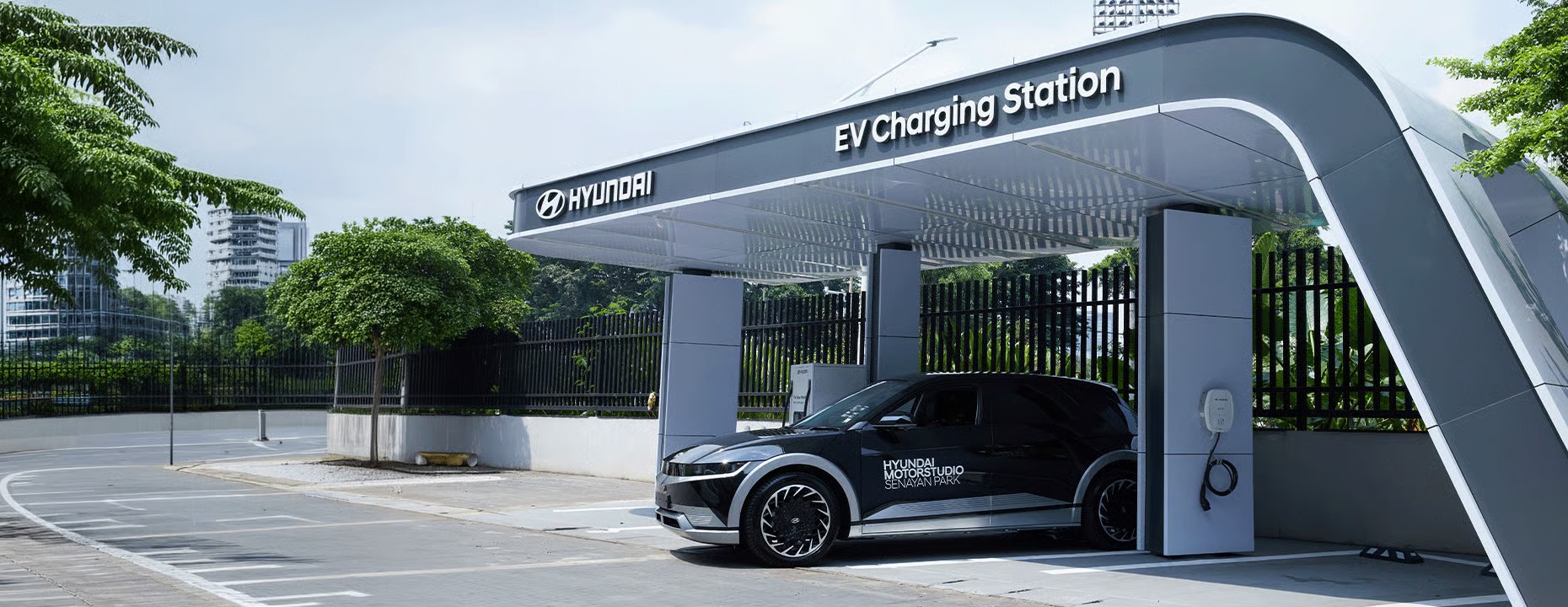
Expanding the EV charging network
The collaboration between Hyundai and the Government of Tamil Nadu represents a strategic effort to position the state as a leading source of skilled industrial talent. By partnering with industrial training institutes, polytechnics, engineering colleges, and skill development organizations across Tamil Nadu, the initiative aims to create a comprehensive talent development ecosystem. Students and trainees will gain exposure to cutting-edge technologies and industry best practices, improving their readiness for employment in advanced manufacturing environments. Such programs play an essential role in bridging the gap between academic education and industry requirements, ensuring that young professionals are equipped with practical skills relevant to modern workplaces. An important aspect of the initiative is its focus on workplace communication and language skills. In today’s globalized economy, technical expertise alone is often insufficient to succeed in international work environments. Effective communication, collaboration, and cultural adaptability are increasingly important qualities for professionals seeking opportunities in global industries. Hyundai’s program will therefore include training designed to enhance workplace communication capabilities, enabling participants to access a broader range of employment opportunities both within India and internationally. This holistic approach reflects the company’s commitment to developing well-rounded professionals capable of thriving in diverse work environments. The skill development partnership also aligns with Tamil Nadu’s broader economic development goals. The state has consistently prioritized education, industrial growth, and workforce development as key pillars of its economic strategy. By partnering with a global automotive leader such as Hyundai, Tamil Nadu can further strengthen its reputation as a center for industrial excellence and innovation. The initiative recognizes that the state’s greatest competitive advantage lies in its talented youth and seeks to unlock their potential through targeted training and industry engagement.
Alongside its investments in electric mobility and workforce development, Hyundai has reaffirmed its commitment to strengthening localization across both electric vehicle and internal combustion engine manufacturing operations. The company plans to increase localization levels from the current 82 percent to approximately 90 percent over the next five to six years. This represents a significant step toward enhancing domestic manufacturing capabilities and reducing dependence on imported components. Higher localization levels contribute to stronger supply chains, lower production costs, improved economic value creation, and greater resilience against global disruptions.
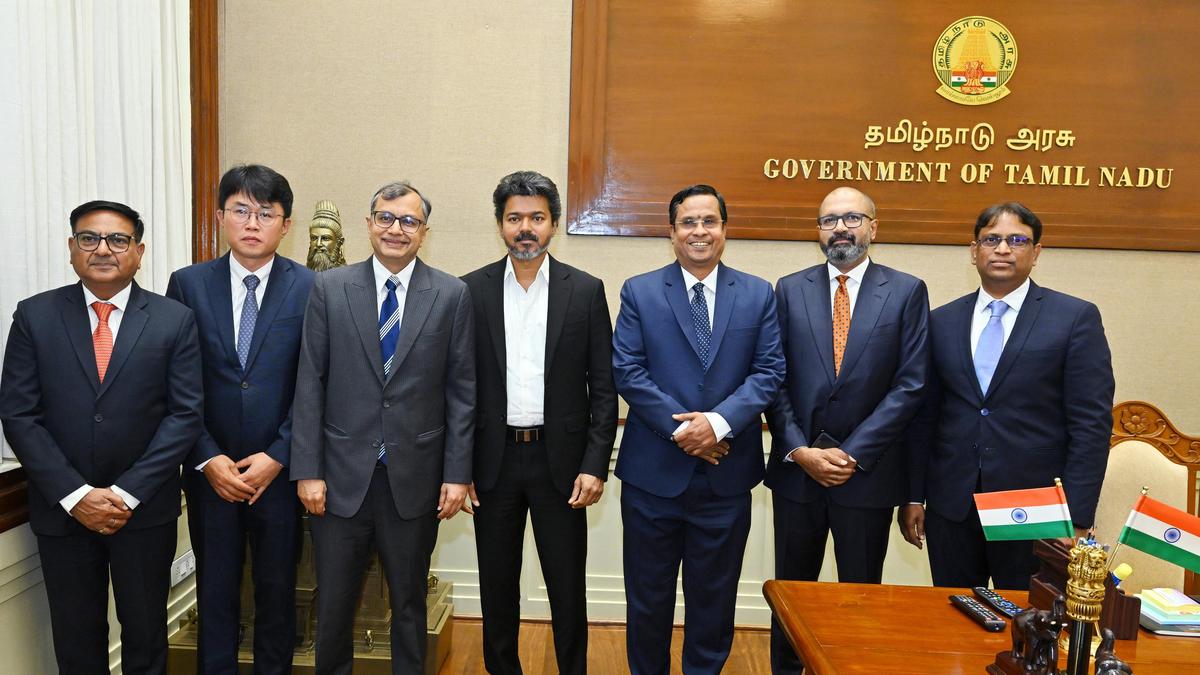
Hyundai and the Government of Tamil Nadu formalise the investment
As part of this localization strategy, Hyundai intends to increase its procurement value from suppliers based in Tamil Nadu by approximately ₹4,000 crore over the coming years. This increased sourcing activity is expected to create around 2,000 additional jobs within the state while providing significant opportunities for local suppliers and component manufacturers. The growth of supplier networks is an important aspect of industrial development, as it generates economic activity across multiple sectors and supports the creation of a robust manufacturing ecosystem.
The company’s broader investment plans further underscore its confidence in Tamil Nadu’s future. Hyundai has reaffirmed its commitment to investing more than ₹26,000 crore in the state between 2023 and 2032 as part of its larger ₹45,000 crore investment program. These investments will support manufacturing expansion, technology development, sustainability initiatives, research and development activities, and infrastructure improvements. By continuing to invest at such a substantial scale, Hyundai is helping strengthen Tamil Nadu’s position as one of the world’s leading automotive manufacturing destinations.
The significance of these investments extends far beyond Hyundai’s own operations. Large-scale industrial projects create multiplier effects throughout the economy by generating employment, stimulating demand for local goods and services, encouraging infrastructure development, and attracting additional investments. Hyundai’s continued commitment is expected to contribute significantly to Tamil Nadu’s economic growth while reinforcing India’s ambitions of becoming a global hub for automotive manufacturing and clean mobility solutions.
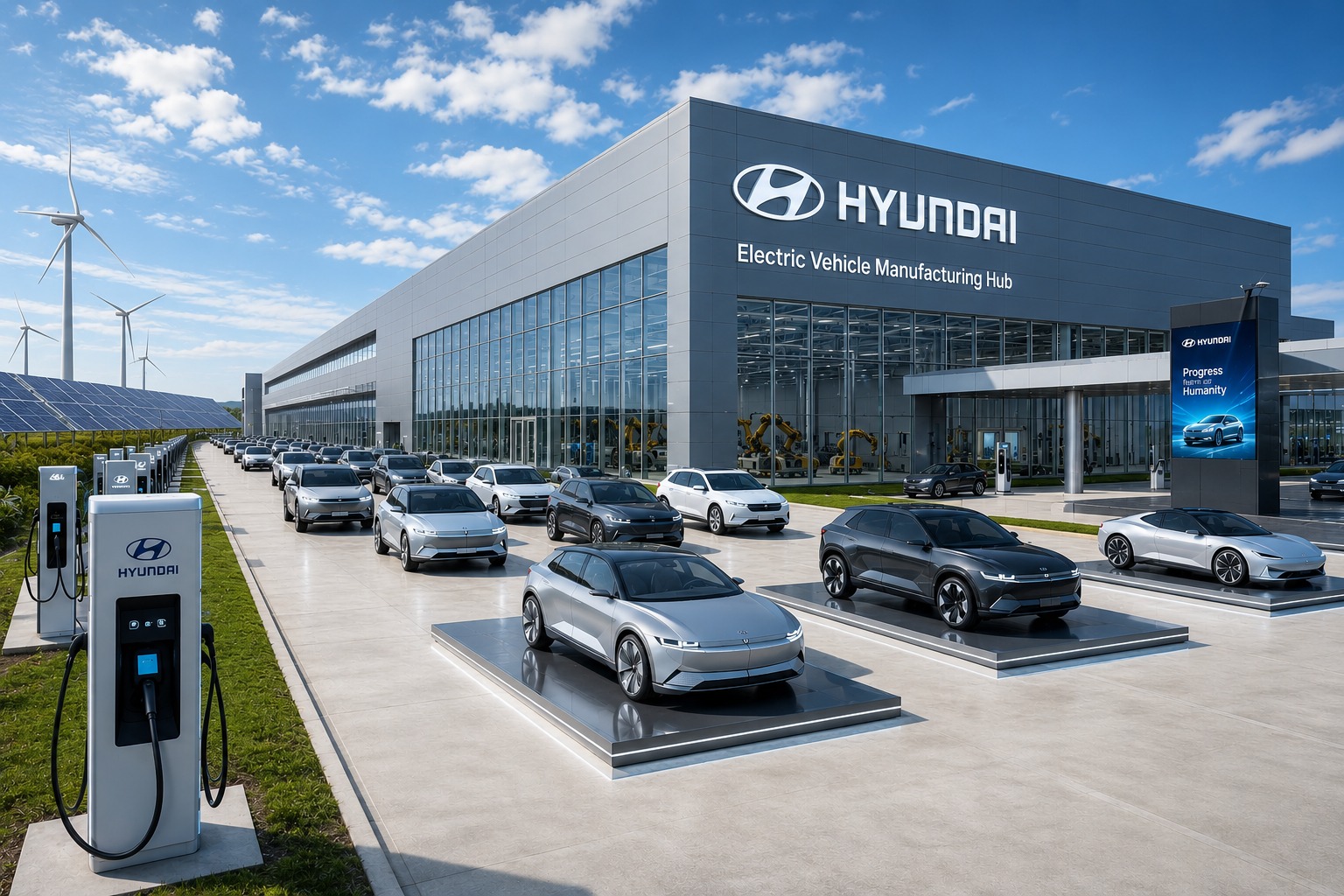
An all-electric showroom experience
As the automotive industry moves toward a future defined by electrification, sustainability, and advanced technology, partnerships between industry leaders and governments will play a crucial role in shaping the next generation of mobility. Hyundai’s latest initiatives in Tamil Nadu exemplify this collaborative approach. By combining investments in electric vehicle manufacturing, charging infrastructure, localization, and skill development, the company is creating a comprehensive ecosystem capable of supporting long-term industrial growth and innovation.
Ultimately, Hyundai Motor India’s decision to position Tamil Nadu as its flagship EV hub represents a powerful vote of confidence in the state’s industrial capabilities and future potential. The company’s investments in manufacturing, technology, infrastructure, and human capital are expected to generate lasting benefits for the automotive industry, the regional economy, and the broader mobility sector. As electric vehicles become increasingly central to the future of transportation, Hyundai’s efforts in Tamil Nadu will likely serve as a model for how sustainable industrial development can be achieved through strategic investment, technological innovation, and a strong commitment to workforce empowerment. With a clear vision and substantial resources dedicated to achieving it, Hyundai is not only building vehicles in Tamil Nadu but also helping shape the future of mobility in India and beyond.